

1. What Range of Services Do Mental Health Clinics Offer?
Understanding the breadth of services a clinic provides is fundamental to ensuring your needs will be met, both now and in the future. A comprehensive mental health clinic should offer a variety of therapeutic and medical interventions designed to address diverse conditions and individual circumstances. When evaluating a clinic, we look for a holistic approach that supports both immediate relief and long-term well-being. This often includes a spectrum of care from individual therapy to medication management, crisis intervention, and integrated physical and behavioral health services, all oriented around a recovery model with peer support. To learn more about our offerings, please visit our services page.
Therapy and Counseling Approaches
Effective therapy is the cornerstone of mental health treatment. We believe in offering a diverse array of therapeutic modalities to cater to each person’s unique journey. This includes individual therapy, which provides a private space for personal growth, and group therapy, which offers a supportive community environment. Family therapy can be invaluable for addressing relational dynamics that impact mental health.
Crucially, we emphasize evidence-based practices, which are therapeutic techniques proven through research to be effective. These often include Cognitive Behavioral Therapy (CBT), Dialectical Behavior Therapy (DBT), and Acceptance and Commitment Therapy (ACT). These approaches are highly effective for a wide range of conditions, such as depression, anxiety, PTSD, and substance use disorders. For instance, CBT helps individuals identify and change negative thought patterns, while DBT focuses on emotional regulation and interpersonal effectiveness.
Furthermore, we recognize the profound impact of cultural background on mental health experiences. That’s why we prioritize culturally competent therapy, ensuring that our therapeutic approaches are sensitive and responsive to the diverse cultural identities of our clients. We also offer multilingual mental health support to break down language barriers and ensure everyone can access care in their preferred language. You can explore more about our psychotherapy options here, understand the importance of culturally competent therapy, and learn about our multilingual mental health network.
Medication Management and Psychiatry
For many mental health conditions, medication can play a vital role in managing symptoms and improving overall functioning. A robust mental health clinic will provide comprehensive psychiatric services, including thorough psychiatric evaluations to accurately diagnose conditions and develop personalized treatment plans. This is followed by ongoing medication management, where psychiatrists carefully monitor the effectiveness of medications, adjust dosages as needed, and manage any potential side effects.
We also believe in collaborative care. Our psychiatrists often work closely with primary care providers to ensure a coordinated approach to your health, recognizing that mental and physical health are deeply interconnected. This collaboration helps to integrate your mental health care seamlessly into your overall medical care plan. Discover more about our psychiatry services.
Comprehensive and Integrated Care
True healing often requires a “whole-person approach” that looks beyond just mental health symptoms. This means integrating physical and behavioral health care, acknowledging that physical health can significantly impact mental well-being and vice versa. For example, the Los Angeles County Department of Mental Health (LACDMH) emphasizes a recovery model that aims to help individuals with serious mental illness lead productive lives through relationships, employment, education, and community participation. This comprehensive outlook ensures that all aspects of a person’s life are considered in their treatment plan.
A clinic that offers coordinated team care, involving behavioral health providers, social workers, and community health workers, can provide a more streamlined and effective treatment experience. This multidisciplinary team works together to address various needs, from therapy and medication to social support and practical resources. Choosing a clinic that offers such a team ensures that you receive well-rounded care, with professionals communicating and collaborating to support your journey to recovery. This integrated approach is crucial for achieving lasting positive outcomes.
2. How Can I Access Services and What Are the Intake Processes?
Ease of access and a clear intake process are crucial, especially when you’re seeking help during a vulnerable time. We understand that reaching out for help can be difficult, so we strive to make the initial steps as straightforward and supportive as possible. Inquire about various ways to initiate care and what to expect during the intake process.

Initial Contact and Appointments
The first step in accessing mental health services is often making initial contact. Reputable clinics typically offer multiple convenient ways to do this. You should be able to schedule appointments easily, whether through a phone call, an online appointment request form on their website, or even via email inquiries. We aim to provide clear pathways for you to connect with us, ensuring that you can reach out in the way that feels most comfortable and accessible.
Once you’ve made contact, the clinic should guide you through an initial assessment process. This assessment is designed to understand your needs, concerns, and goals for treatment. It’s a crucial step that helps the clinical team determine the most appropriate services and connect you with the right providers. For more details on how to get in touch with us, please visit our contact page.
Walk-in and Urgent Care Availability
While scheduled appointments are standard, some clinics recognize the need for more immediate support. Inquire about the availability of walk-in hours for assessments, particularly if you are experiencing an urgent situation that doesn’t require an emergency room visit. These walk-in options can provide quicker access to care for pressing mental health concerns.
It’s important to understand the distinction between clinic-based urgent care and hospital emergency rooms. Clinic urgent care is typically for situations that require prompt attention but are not life-threatening. For example, if you are experiencing severe anxiety, panic attacks, or intense mood swings, a clinic’s urgent care or walk-in assessment might be appropriate. However, for immediate medical attention, aggressive behavior, or situations involving danger to yourself or others (such as overdose or active self-harm), an emergency room is the most appropriate setting. The Los Angeles County Department of Mental Health (LACDMH) offers a 24/7 Help Line (1-800-854-7771) for immediate assistance or to find services in your area, highlighting the importance of clear crisis pathways.
Telehealth and Virtual Options
In May 2026, telehealth has become an indispensable part of mental health care, offering unparalleled convenience and accessibility. Many clinics, including ours, provide comprehensive teletherapy services and virtual visits, allowing you to access high-quality care from the comfort and privacy of your home. This can be particularly beneficial for individuals with busy schedules, transportation challenges, or those living in areas with limited access to in-person providers.
When considering virtual options, it’s helpful to understand the differences between teletherapy and in-person sessions. While both offer effective treatment, personal preference and the nature of your concerns might influence which option is best for you. Teletherapy often provides greater flexibility and can reduce travel time and costs, while some individuals prefer the direct, face-to-face interaction of in-person sessions. We encourage you to explore our insights on teletherapy vs. in-person care to help you decide what’s right for your needs.
Hours of Operation
A clinic’s hours of operation are a practical consideration that can significantly impact your ability to access care. Standard clinic hours typically cover weekdays, but many individuals benefit from more flexible scheduling. Inquire about evening and weekend availability, as these options can make it easier to fit appointments into your routine without disrupting work or school.
For urgent or crisis care, specific hours might be designated. For instance, some clinics offer walk-in assessments during particular morning or afternoon windows. Knowing these specific hours for urgent situations can be vital in times of need, ensuring you know when and where to seek immediate support. Always clarify the clinic’s operating hours and any special provisions for urgent care.
3. Do They Offer Specialized and Evidence-Based Treatments?
Specialized treatments can be highly effective for specific conditions, and a clinic’s commitment to evidence-based practices indicates a high standard of care. As mental health science evolves, new and innovative therapies emerge, offering hope for individuals who may not have found relief with traditional methods. We believe in staying at the forefront of these advancements to provide the most effective care possible.
Advanced Treatment Modalities
Beyond traditional psychotherapy and medication, some clinics offer advanced treatment modalities for conditions that are particularly challenging to treat. Two prominent examples include Spravato (Esketamine) therapy and Transcranial Magnetic Stimulation (TMS).
Spravato is an FDA-approved nasal spray used in conjunction with an oral antidepressant for adults with treatment-resistant depression or major depressive disorder with acute suicidal ideation or behavior. It’s designed for patients who have not responded to two or more antidepressants, offering a new pathway to relief.
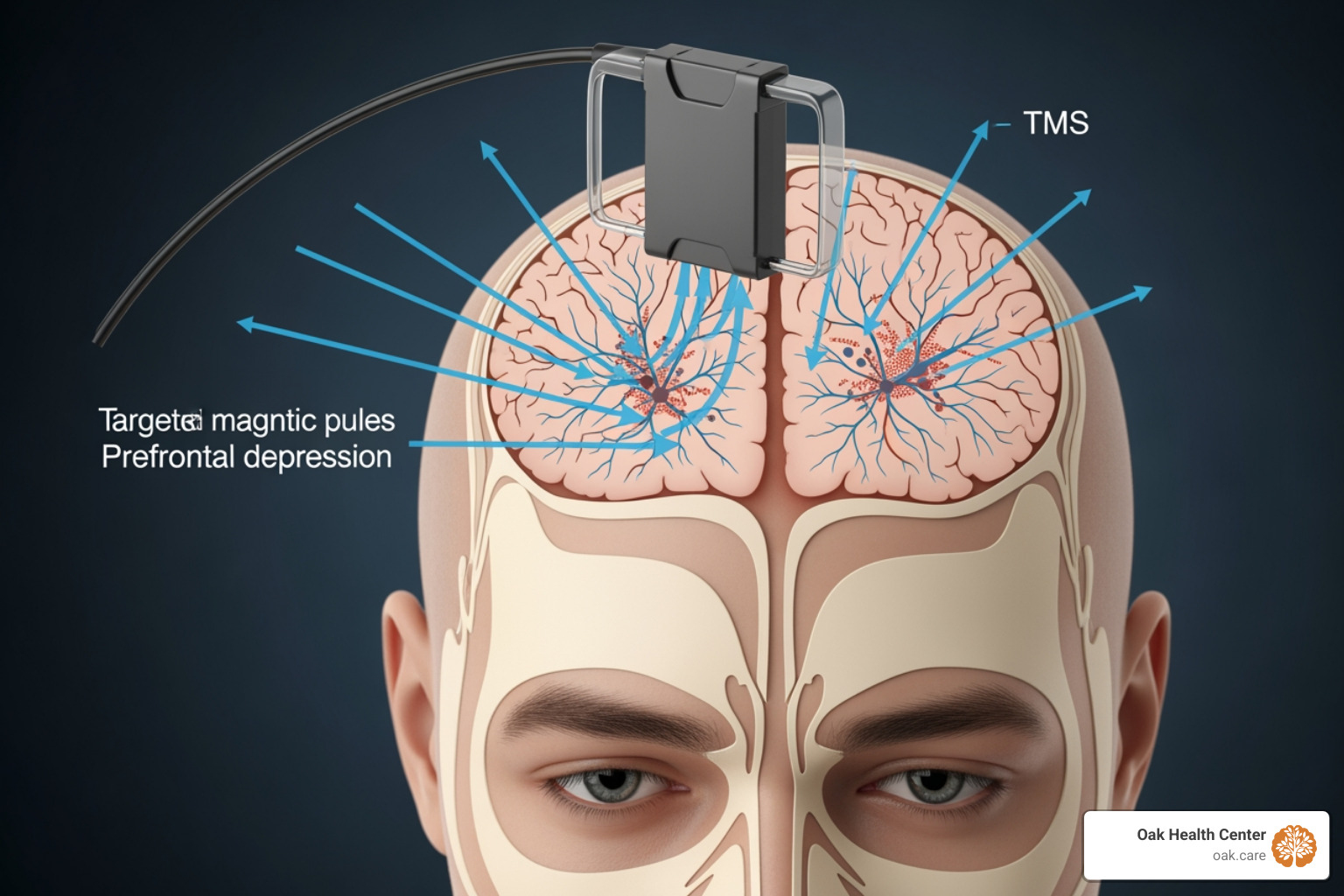
TMS (Transcranial Magnetic Stimulation) is another innovative, non-invasive, and medication-free option for treatment-resistant depression. It uses magnetic fields to stimulate nerve cells in the brain, improving symptoms of depression. TMS is a safe and generally well-tolerated procedure that can be a life-changing option for many. We are proud to offer TMS Therapy as part of our comprehensive services. When considering a clinic, ask if they provide these modern interventional psychiatry options, as they represent a commitment to offering cutting-edge care.
Evidence-Based Psychotherapies
A strong mental health clinic will prioritize evidence-based psychotherapies, which are treatments that have been rigorously tested and shown to be effective through scientific research. As we mentioned earlier, these include Cognitive Behavioral Therapy (CBT), Dialectical Behavior Therapy (DBT), and Acceptance and Commitment Therapy (ACT).
CBT helps individuals identify and challenge unhelpful thought patterns and behaviors. DBT, often used for conditions like borderline personality disorder, focuses on teaching skills for emotional regulation, distress tolerance, interpersonal effectiveness, and mindfulness. ACT encourages individuals to accept difficult thoughts and feelings while committing to actions aligned with their values.
Additionally, trauma-informed care is a crucial approach that recognizes the widespread impact of trauma and integrates knowledge about trauma into policies, procedures, and practices. This ensures that services are delivered in a way that avoids re-traumatization and supports healing. Look for clinics that offer specialized programs for specific conditions like OCD, PTSD, or bipolar disorder, as these often integrate these evidence-based practices into tailored treatment plans.
Unique Approaches and Certifications
Some clinics differentiate themselves through unique philosophical approaches or specific certifications that underscore their commitment to quality. For example, the biopsychosocial model is a holistic approach that integrates biological, psychological, and social factors into understanding and treating mental health conditions. This comprehensive view acknowledges that a person’s mental health is influenced by a complex interplay of genetics, brain chemistry, thought patterns, emotions, relationships, cultural background, and societal stressors.
When selecting a clinic, it’s beneficial to check for industry accreditations and certifications. These often come from reputable organizations that set high standards for safety, quality of care, and ethical practices. For instance, the Los Angeles County Department of Mental Health (LACDMH) ensures services are provided through directly operated and contract agencies, often adhering to strict guidelines. Such certifications provide an external validation of a clinic’s commitment to excellence.
Research and Innovation
The field of mental health is constantly evolving, with new research continually shedding light on effective treatments and interventions. Choosing a clinic that stays updated with the latest clinical research and integrates innovative, proven treatments into its practice can be highly beneficial. This commitment to research and innovation means that you are more likely to receive care that reflects the most current understanding of mental health conditions and their treatment.
Clinics that actively engage with or incorporate research findings often offer a dynamic and forward-thinking approach to care. They may be quicker to adopt new therapies that show promise and continuously refine their existing programs based on outcomes data. This dedication to ongoing learning and improvement ensures that patients receive the most effective and up-to-date care available, maximizing their potential for recovery and well-being.
4. Who Is Eligible for Their Services and What Are the Payment Options?
Understanding eligibility criteria, age groups served, and insurance or payment options is vital for accessing affordable and appropriate care. It’s important to clarify these details upfront to avoid any surprises and ensure the clinic can meet your specific needs. We believe that financial barriers should not prevent anyone from receiving quality mental healthcare.

Age-Specific Programs
Mental health needs vary significantly across different life stages. A comprehensive clinic will often provide age-specific programs tailored to the unique developmental, social, and emotional challenges of each group.
- Child and Adolescent Services: These programs address issues common in younger populations, such as behavioral problems, learning difficulties, anxiety, and depression. Clinics like the San Antonio Family Center in Huntington Park, CA, specialize in serving children, adolescents, and families, offering services like individual, family, and group therapy, as well as specialized treatment for birth to 5 years and transitional age youth.
- Adult Services: These programs cater to the broad range of mental health conditions experienced by adults, including mood disorders, anxiety, trauma, and substance use.
- Older Adult Programs: These services focus on mental health concerns prevalent in later life, such as depression, grief, and cognitive changes.
- Specialized Transitional Age Youth Services: These programs bridge the gap between adolescent and adult care, supporting young people (typically ages 16-25) as they navigate independence and adulthood.
Ensuring the clinic has providers specialized in your relevant age group is crucial, as their expertise will be aligned with your specific developmental and life circumstances.
Insurance and Payment
The cost of mental health care is a significant consideration for many. It’s essential to inquire about the clinic’s accepted insurance plans. While some clinics may accept government-funded plans like Medical Assistance, Medicare, or Medicaid, others might primarily work with commercial insurance providers.
If a clinic is out-of-network with your insurance, ask about out-of-network options. Your insurance plan might still cover a portion of the costs, often through reimbursement after you pay upfront. For those without insurance or with high deductibles, inquire about self-pay rates and whether the clinic offers a sliding scale fee based on income. This can make quality care more accessible. Always clarify co-pays and deductibles, as these can impact your out-of-pocket expenses. To understand more about insurance options, visit our insurance page.
Specific Populations and Programs
Some mental health clinics offer specialized programs designed to meet the unique needs of particular populations.
- Services for Veterans: Veterans often face specific mental health challenges related to their service, such as PTSD, depression, and adjustment disorders. Clinics with programs tailored to veterans understand these unique experiences and provide appropriate support. The Los Angeles County Department of Mental Health (LACDMH) provides specialty services to veterans, recognizing their distinct needs.
- Programs for Individuals with Serious and Persistent Mental Illness (SPMI): These programs offer intensive, long-term support for conditions like schizophrenia, bipolar disorder, and severe depression, often focusing on recovery and community integration.
- Support for Immigrant Clients and Multilingual Needs: Recognizing the diverse demographics of Southern California, clinics that offer culturally sensitive care and multilingual services are invaluable. The San Antonio Family Center, for instance, provides services in multiple languages based on client need, ensuring effective communication and culturally informed treatment.
Geographic and Residency Requirements
Finally, consider the clinic’s geographic reach and any residency requirements. Some clinics are county-funded and may only serve residents within specific service areas, such as those overseen by the Los Angeles County Department of Mental Health (LACDMH).
For us at Oak Health Center, we have multiple convenient locations across Southern California, including Beverly Hills, Fullerton, Laguna Hills, Rancho Cucamonga, and South Pasadena. Additionally, we offer statewide virtual services, meaning that if you reside anywhere in California, you can access our care remotely. This blend of in-person and virtual options provides flexibility and broad accessibility. You can find more information about our locations here. Always confirm if your location falls within the clinic’s service area, especially for in-person appointments.
5. What Crisis Support and Ongoing Resources Do They Provide?
Knowing how a clinic handles crises and what resources are available for ongoing support and education can be a significant factor in your long-term mental health journey. A robust support system extends beyond scheduled appointments, offering safety nets during emergencies and tools for continuous growth and well-being.
Crisis Intervention and Emergency Protocols
Understanding a clinic’s crisis intervention services and emergency protocols is paramount. Inquire about access to 24/7 crisis hotlines, such as the 988 Suicide & Crisis Lifeline, which provides immediate support for individuals in distress. It’s also crucial to know when to seek help at an emergency room versus a mental health clinic.
For situations requiring immediate medical attention, such as an overdose, or if there’s a clear danger to yourself or others (e.g., aggressive behavior, active suicidal ideation with a plan), an emergency room is the appropriate first step. Clinic-based urgent care or crisis services are typically for non-life-threatening but urgent mental health needs that require prompt assessment and intervention. Always clarify the clinic’s specific protocols for handling urgent mental health needs to ensure you know the best course of action in a crisis.
Self-Help and Educational Resources
Beyond direct treatment, a supportive mental health clinic will often provide a wealth of self-help and educational resources. These can empower you to take an active role in your mental health journey and continue learning outside of sessions. Look for clinics that offer:
- Online content hubs: Websites with articles, blog posts, and informational pages covering various mental health topics.
- Mental health toolkits: Practical guides or resources that provide strategies for managing stress, anxiety, or other symptoms.
- Webinars and workshops: Educational sessions, often free, that cover specific topics like coping skills, mindfulness, or understanding particular conditions.
- Articles and videos: Accessible content that helps demystify mental health conditions and treatment options.
- Community education initiatives: Programs designed to reduce stigma and increase mental health literacy within the broader community. These resources can be invaluable for continuous personal development and understanding.
Community Engagement and Support
Mental health is not just an individual journey; it often benefits from community connection. Inquire if the clinic fosters community engagement through:
- Peer support programs: Where individuals with lived experience of mental health challenges provide support and guidance to others.
- Support groups: Facilitated groups where individuals facing similar struggles can share experiences, coping strategies, and mutual encouragement.
- Opportunities for family involvement: Recognizing that mental illness affects the entire family system, some clinics offer family therapy or educational programs for loved ones, helping them understand and support the individual in treatment. This collective approach reinforces the idea that healing is a shared journey.
Long-Term Recovery and Wellness
A forward-thinking mental health clinic is not just focused on symptom reduction but on long-term recovery and sustained wellness. This philosophy is often rooted in a recovery model, which emphasizes that individuals with mental illness can lead fulfilling and productive lives. It shifts the focus from merely managing symptoms to empowering individuals to achieve their personal goals, build meaningful relationships, and participate fully in their communities.
The importance of a biopsychosocial model for lasting outcomes cannot be overstated. By considering the interplay of biological, psychological, and social factors, clinics can develop comprehensive treatment plans that address the root causes of distress and build resilience. This holistic approach aims to prevent relapse and equip individuals with the tools and support needed for enduring mental well-being.
Frequently Asked Questions about Mental Health Clinics
What is the difference between a psychiatrist and a psychologist?
A psychiatrist is a medical doctor (MD) who has completed medical school and specialized in psychiatry. They can diagnose mental health conditions, prescribe medication, and provide various forms of therapy. A psychologist typically holds a doctoral degree (Ph.D. or Psy.D.) in psychology. They specialize in psychotherapy (talk therapy), psychological assessments, and research, but generally cannot prescribe medication (though this varies by state and specific training). Many clinics, like Oak Health Center, offer both psychiatry and psychotherapy services, allowing for integrated care.
How long does it take to get an appointment at a mental health clinic?
Wait times vary significantly by clinic, location, and the specific type of service you’re seeking. Some clinics, particularly those offering urgent care or crisis services, may have walk-in options or same-day appointments for immediate needs. For routine therapy or psychiatric evaluations, wait times can range from a few days to several weeks or even months, depending on demand and provider availability. It’s always best to inquire about current wait times when you first contact a clinic.
Can I receive mental health services online?
Yes, absolutely! In May 2026, teletherapy and virtual visits have become widely available and are a highly effective way to receive mental health care. Many mental health clinics, including Oak Health Center, offer these services, allowing you to access therapy, medication management, and other support from the comfort of your home or any private location. This is a convenient option for those with busy schedules, limited transportation, or those living in areas with fewer in-person providers.
Conclusion
Choosing the right mental health clinic is a deeply personal decision that can profoundly impact your path to well-being. By asking these five critical questions—about the range of services offered, the ease of access and intake processes, the availability of specialized and evidence-based treatments, eligibility and payment options, and the provision of crisis support and ongoing resources—you empower yourself to make an informed choice.
Clinics like Oak Health Center are dedicated to providing comprehensive, compassionate care, simplifying access to support across multiple convenient sites in Southern California and through statewide virtual services. Taking this proactive step is a testament to your commitment to mental health, and with the right support, hope and healing are always within reach.