


Finding Depression Treatment in Beverly Hills That Fits Your Life
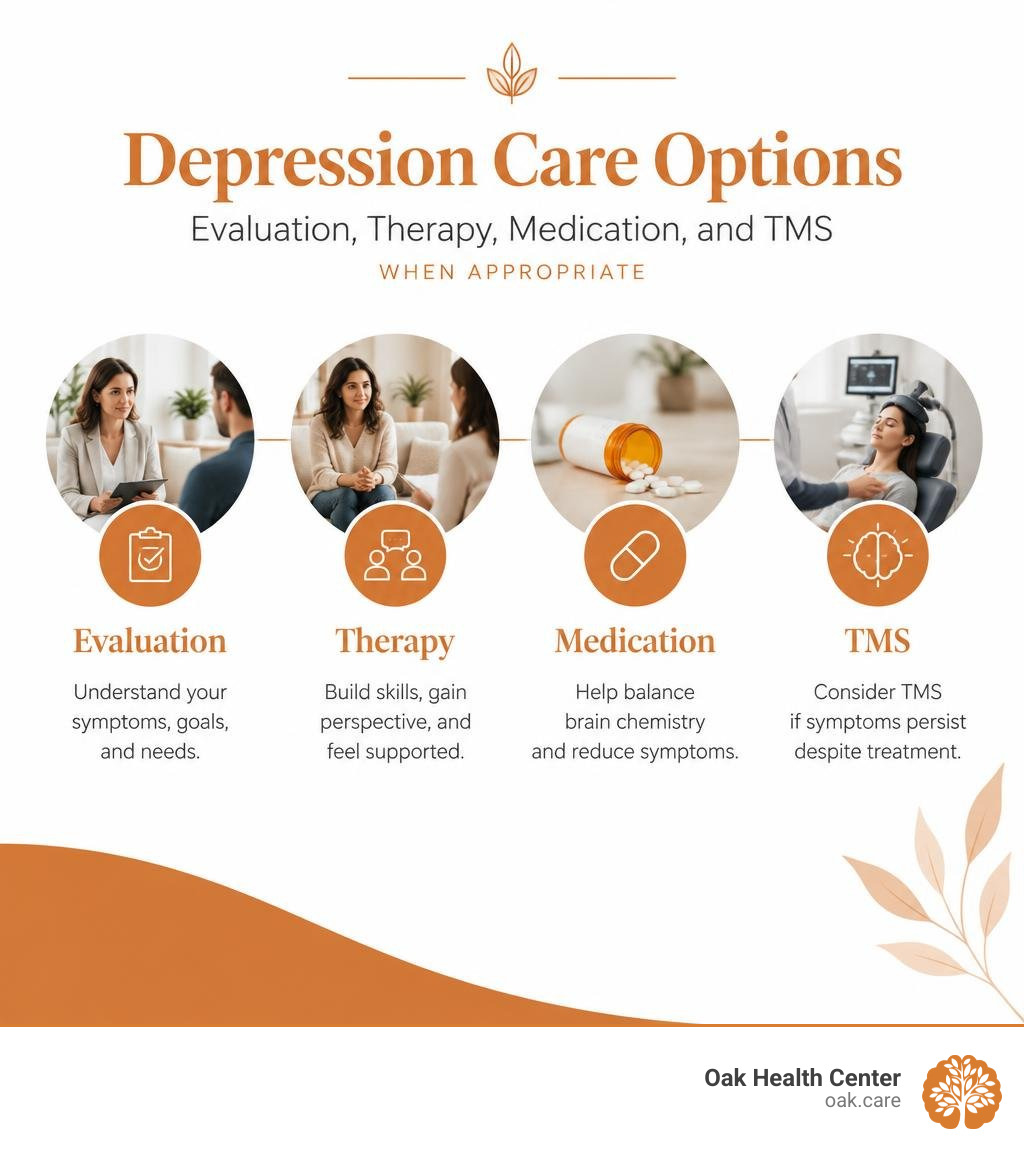
Depression treatment in Beverly Hills encompasses a full spectrum of evidence-based outpatient interventions, including individual psychotherapy, psychiatric medication management, and advanced neurotherapeutics. When depressive symptoms fail to respond adequately to initial frontline approaches, a qualified mental health clinician can evaluate whether cutting-edge options such as transcranial magnetic stimulation (TMS) are clinically appropriate. Initiating care through a thorough diagnostic evaluation provides the clarity necessary to customize treatment around your specific symptoms, daily schedule, and co-occurring issues like anxiety, burnout, trauma, or substance use.
You do not need to postpone seeking care until personal responsibilities or professional obligations become entirely unmanageable. Taking proactive steps early prevents depressive episodes from deepening and restores emotional balance sooner. This comprehensive guide outlines the primary therapeutic options available locally, highlights key questions to ask potential clinicians, and explains how to balance confidentiality, financial investment, and logistical convenience.
I’m Andrew Brewer, practice manager at Oak Health Center, where I’ve helped expand clinical programs, including advanced TMS therapy, and improve outpatient access across Southern California. I created this resource for anyone searching “depression treatment beverly hills” who needs clear, reliable guidance on navigating their mental healthcare journey.
Discover more about depression treatment beverly hills:
Introduction
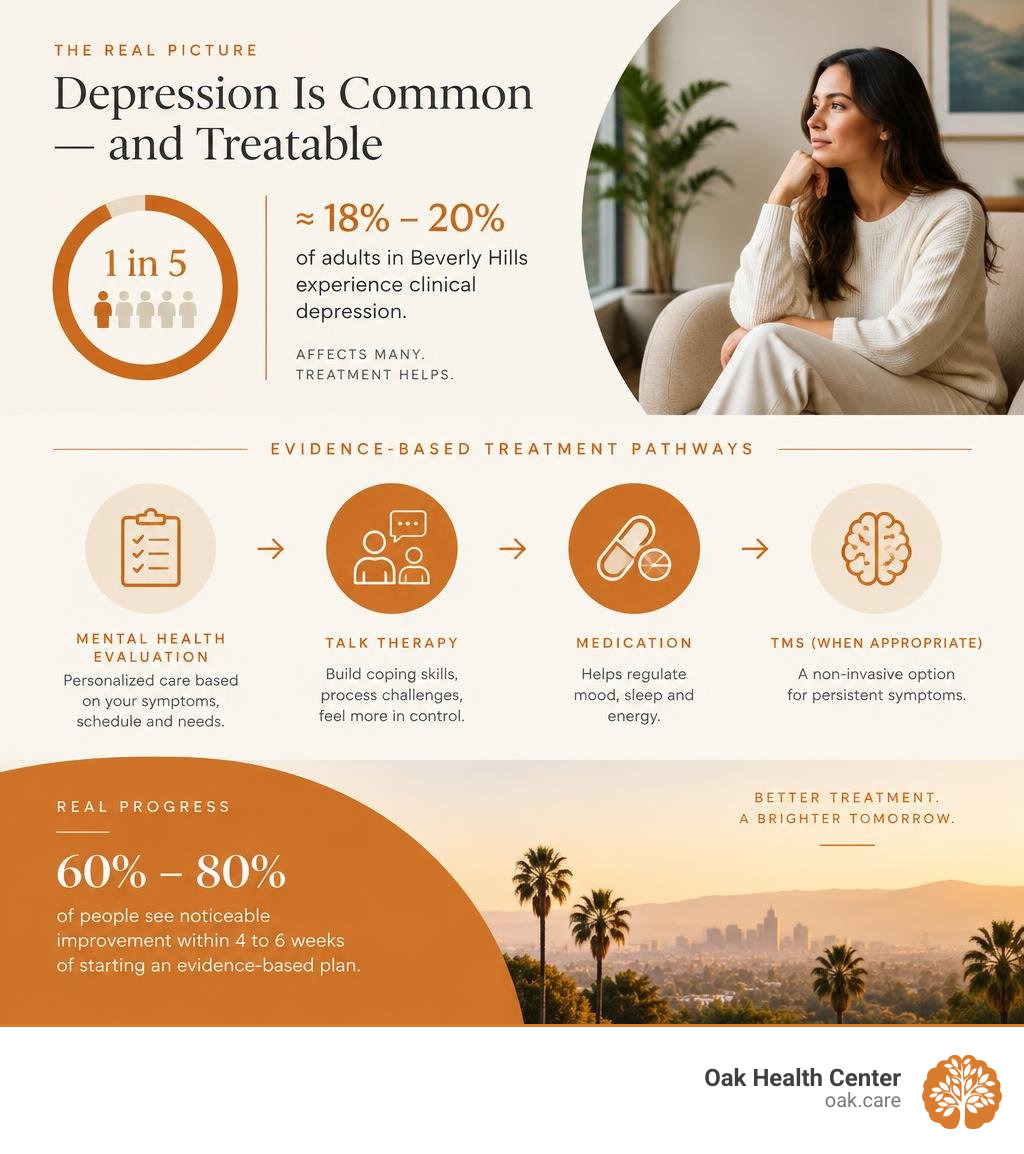
Depressive disorders impact approximately 1 in 5 adults across the United States every year, and local urban communities reflect these nationwide patterns. In Beverly Hills, an estimated 18% to 20% of adults navigate clinical depressive episodes. High-stakes corporate settings, demanding creative industries, competitive entrepreneurial pursuits, and pervasive social pressures frequently trigger chronic executive burnout, emotional depletion, and persistent depressive symptomatology across diverse professional populations.
When sustaining peak performance each day, individuals often minimize severe mental fatigue, emotional numbness, anhedonia, and cognitive fog as ordinary stress. However, major depression is a complex, treatable medical condition involving neurobiological and psychosocial factors. Navigating modern outpatient psychiatric and psychological services empowers individuals to restore mental focus, emotional resilience, and vitality through structured, evidence-based care.
Comprehensive Options for Depression Treatment in Beverly Hills
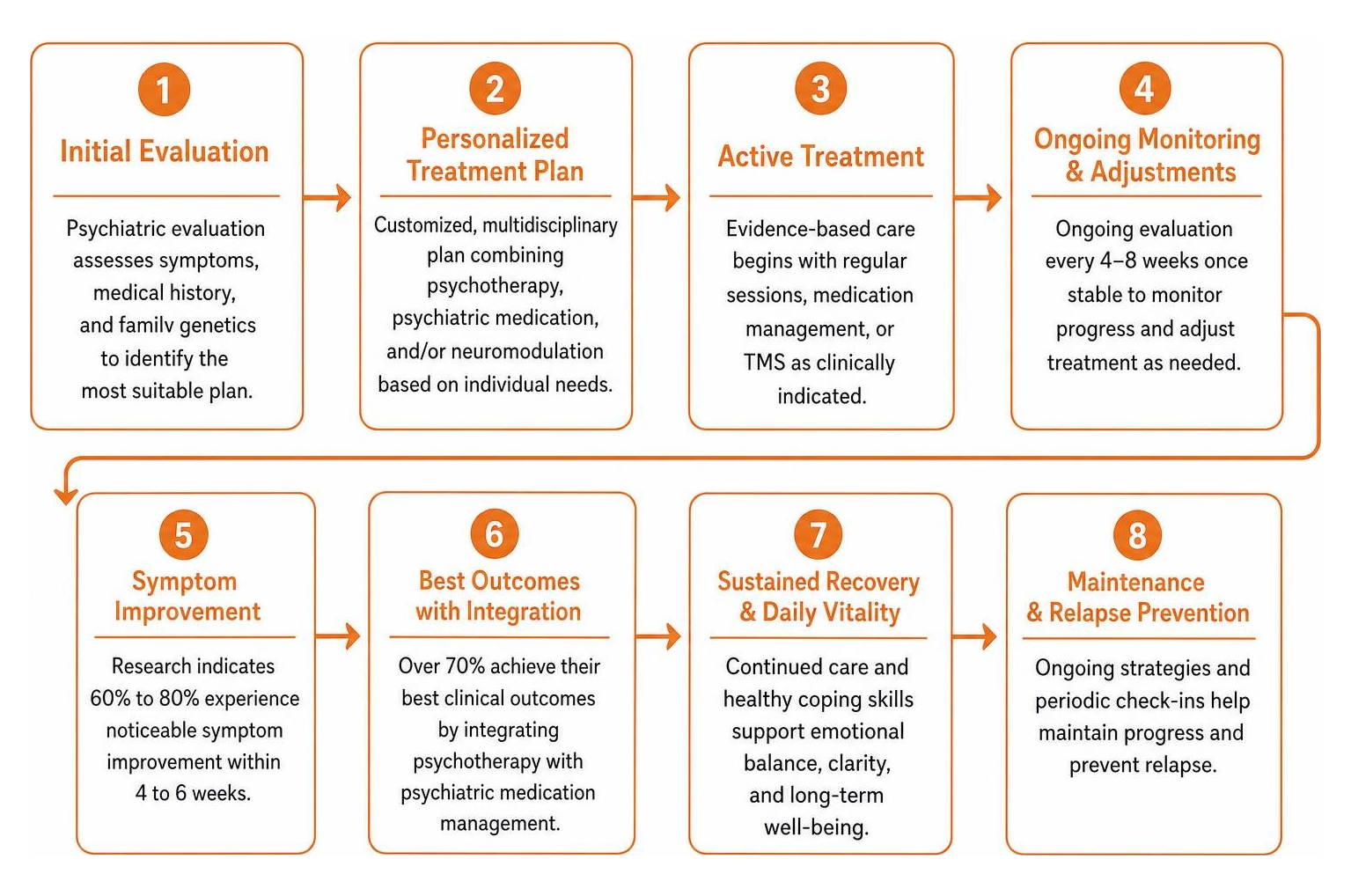
Contemporary clinical care prioritizes individualized, multidisciplinary care models designed to address biological, emotional, and behavioral aspects of mood disorders. Clinical studies reveal that between 60% and 80% of individuals undergoing structured outpatient treatment achieve clinically significant symptom improvement within 4 to 6 weeks of starting an evidence-based plan.
Furthermore, research shows that over 70% of individuals achieve their most durable clinical outcomes through dual-modality care that pairs psychotherapy with targeted psychiatric medication. Integrating cognitive and behavioral processing with precise neurochemical balancing enables clinicians to address both psychological stressors and biological vulnerabilities simultaneously.
| Treatment Modality | Primary Mechanism | Ideal For | Typical Timeframe |
|---|---|---|---|
| Psychotherapy (CBT/DBT) | Restructuring negative cognitive patterns and building behavioral coping skills | Mild to moderate depression, stress management, interpersonal difficulties | 8–16 weekly sessions |
| Psychiatric Medication | Balancing neurotransmitters (serotonin, norepinephrine, dopamine) | Moderate to severe depression, biological depressive symptoms | Ongoing evaluation every 4–8 weeks once stable |
| Neuromodulation (TMS) | Targeted magnetic pulses stimulating underactive prefrontal brain regions | Treatment-resistant depression, individuals seeking non-systemic options | Daily 20–30 minute sessions over 6–9 weeks |
Specialized Psychotherapy and Evidence-Based Talk Therapies
Psychotherapy remains a cornerstone of long-term emotional recovery. Collaborating with a skilled Beverly Hills depression therapist provides a confidential, supportive environment to explore core perfectionism, complicated grief, relational dynamics, and unresolved trauma.
Cognitive Behavioral Therapy (CBT) demonstrates roughly a 75% efficacy rate in substantially alleviating depressive symptoms within 12 weeks by dismantling automatic negative thoughts and maladaptive behaviors. Additionally, Dialectical Behavior Therapy (DBT), acceptance-based strategies, and psychodynamic therapy provide proven tools for emotional regulation and interpersonal effectiveness. Oak Health Center provides comprehensive, evidence-based psychotherapy services tailored specifically to high-functioning professionals and active community members.
Psychiatric Evaluation and Precision Medication Management
When depressive episodes disrupt vital functions such as restorative sleep, physical energy, executive focus, and metabolic appetite, pharmacological treatments offer critical biological stabilization. A comprehensive psychiatric assessment reviews genetic predispositions, neurochemical patterns, medical history, and previous medication responses to craft a precise intervention.
Clinicians often prescribe selective serotonin reuptake inhibitors (SSRIs), serotonin-norepinephrine reuptake inhibitors (SNRIs), or atypical antidepressants to optimize neurotransmitter signaling. Practicing effective psychiatry for depression requires systematic follow-up visits, careful dose adjustments, side-effect management, and differential screening for co-occurring mood or anxiety conditions through dedicated psychiatric medication management.
Innovative Protocols and Advanced Modalities for Resistant Cases
When standard pharmacological and psychotherapeutic treatments do not yield adequate clinical improvement, patients may be experiencing treatment-resistant depression (TRD). Typically diagnosed after an individual experiences persistent depressive symptoms despite completing two or more separate antidepressant trials at therapeutic doses, TRD calls for specialized clinical strategies. Developing a clear clinical perspective on understanding treatment-resistant depression helps patients and clinicians pivot toward advanced, non-invasive therapeutic options that target mood centers directly.
Advanced Modalities in Depression Treatment Beverly Hills Clinics Offer
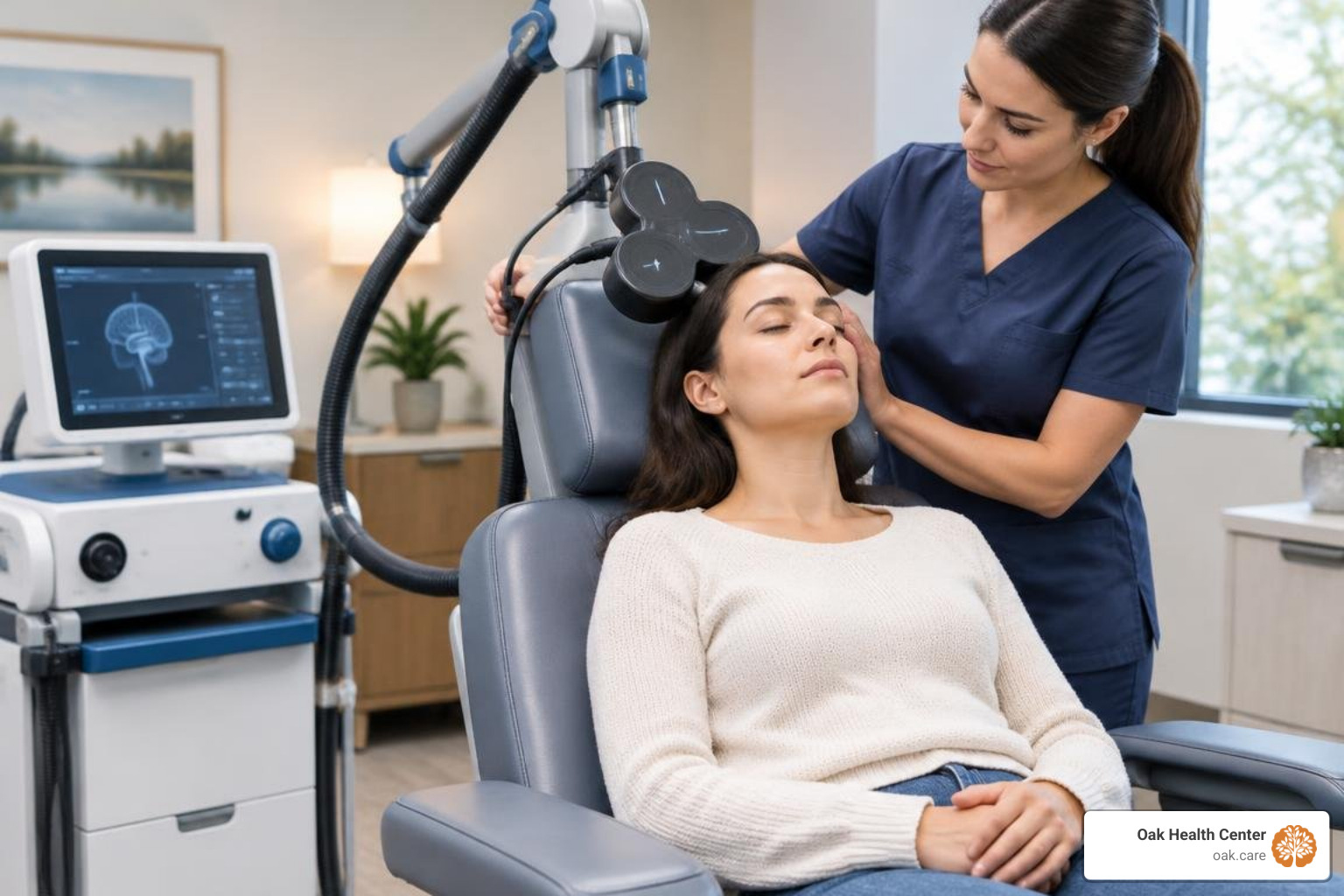
Among the most effective medical advancements for non-responsive depressive episodes is Transcranial Magnetic Stimulation (TMS). Learning how TMS therapy works for depression clarifies the underlying scientific mechanism: localized, focused magnetic pulses are delivered directly to the left dorsolateral prefrontal cortex, a critical mood-regulating brain region that exhibits reduced metabolic activity in individuals with major depression.
By repeatedly stimulating underactive neural circuits, TMS fosters neuroplasticity, encourages synaptic connectivity, and re-establishes healthy neurochemical communication without systemic side effects like weight fluctuations, gastrointestinal distress, or daytime sedation. Our team provides FDA-cleared clinical TMS therapy services on an outpatient basis, allowing patients to complete their brief daily sessions and promptly return to their professional and personal schedules.
Integrative and Holistic Mental Wellness Approaches
Achieving sustainable long-term recovery involves evaluating the entire physiological and environmental ecosystem of the patient. Assessing complex anxiety depression and sleep cycle interactions is particularly vital, as chronic insomnia and disrupted circadian rhythms actively perpetuate depressive lethargy, cognitive impairment, and emotional reactivity.
A well-rounded recovery plan frequently embraces holistic depression management, integrating nutritional psychiatry, targeted physical exercise regimens, somatic grounding, and mindfulness-based stress reduction (MBSR). These complementary practices strengthen biological and psychological interventions, enhancing overall physical vitality, stress resilience, and long-term mood stability.
Navigating Privacy, Costs, and Clinical Standards in Beverly Hills

Selecting the right outpatient behavioral health provider requires careful evaluation of clinical credentials, confidentiality practices, and financial arrangements. In Beverly Hills, standard private psychotherapy rates typically range from $150 to $300 per session, whereas specialized medical consultations, extensive psychiatric evaluations, or intensive day programs may range from $500 to $1,000 per day depending on program intensity and clinical scope.
Many leading clinics accept major commercial PPO insurance plans or issue comprehensive superbills to support out-of-network reimbursement claims. Thoroughly verifying your insurance and financing options before attending your initial consultation ensures clear financial transparency and uninterrupted access to care.
Overcoming Stigma and Barriers to Depression Treatment in Beverly Hills
High-profile executives, industry leaders, creative professionals, and public figures frequently encounter heightened social and professional vulnerabilities when considering mental health care. Concerns regarding reputational visibility, professional standing, and internal perfectionistic standards often lead individuals to mask severe distress, causing emotional isolation and prolonged suffering.
Accessing discreet mental health support in Beverly Hills provides rigorous privacy standards, private entrances, confidential scheduling systems, and attentive concierge coordination. Furthermore, individuals seeking optimal flexibility or complete privacy can utilize secure tele-behavioral health appointments to connect with board-certified clinicians from anywhere in California.
Criteria for Selecting a Top Depression Specialist or Clinic
When comparing local behavioral health practices, consider these essential clinical benchmarks:
- Board-Certified Specialists: Confirm that treating psychiatrists, psychologists, and psychiatric nurse practitioners possess active board certifications and deep clinical expertise in depressive disorders.
- Multidisciplinary Collaboration: Choose integrated practices where psychotherapists and psychiatric prescribers coordinate care directly to provide a unified treatment experience.
- Access to Advanced Modalities: Ensure the facility is equipped with modern, evidence-based neurotherapeutics such as TMS for treatment-resistant symptoms.
- Personalized Treatment Planning: Verify that clinicians use measurement-based tracking and customized protocols rather than rigid, generic interventions.
- Clear Crisis & Escalation Support: Confirm that the practice maintains established communication protocols and rapid escalation pathways should acute symptoms develop.
Frequently Asked Questions About Depression Treatment in Beverly Hills
How quickly can patients expect results from depression treatment?
Most individuals begin experiencing measurable symptom reduction within 4 to 6 weeks after starting evidence-based psychotherapy and personalized medication management. Non-invasive neuromodulation techniques such as TMS often produce noticeable improvements in mood regulation, energy, and mental clarity within 2 to 4 weeks of daily treatment. Consistent attendance at scheduled sessions, active adherence to prescribed pharmacological regimens, and routine clinical outcome tracking are essential elements for sustaining long-term recovery and reducing future relapse risks.
What distinguishes personalized depression care from standard outpatient services?
Personalized depression care offers elevated clinical coordination, flexible scheduling accommodated to executive lifestyles, rigorous privacy protocols, and deeply integrated care plans uniting psychotherapists, psychiatric medical providers, and holistic wellness clinicians. Rather than relying on generic, standardized therapeutic tracks, personalized care customizes every intervention to the patient’s biological profile, metabolic tolerances, professional demands, and co-occurring psychological conditions.
Is innovative care like TMS covered by insurance in California?
Yes, the vast majority of commercial insurance plans and Medicare provide established coverage policies for TMS therapy when patients meet clinical criteria for major depressive disorder that has resisted standard antidepressant trials. Dedicated clinical intake specialists assist patients through comprehensive benefits verification, pre-authorization documentation, and flexible financing arrangements to ensure advanced neuromodulation remains accessible and seamless.
Conclusion
Overcoming clinical depression demands skilled medical expertise, empathetic guidance, and a treatment plan built around your lifestyle. At Oak Health Center, we deliver comprehensive, personalized outpatient psychiatric and psychological care across our five Southern California locations—including our dedicated Beverly Hills outpatient clinic—as well as through secure statewide tele-behavioral health services. By combining evidence-based psychotherapy, precise psychiatric medication management, and cutting-edge modalities like TMS, we help individuals overcome treatment barriers and reclaim lasting emotional vitality. To begin your path toward sustainable recovery, reach out to our Beverly Hills clinical team today.