

Why Finding the Right Meds to Treat Depression Can Change Everything
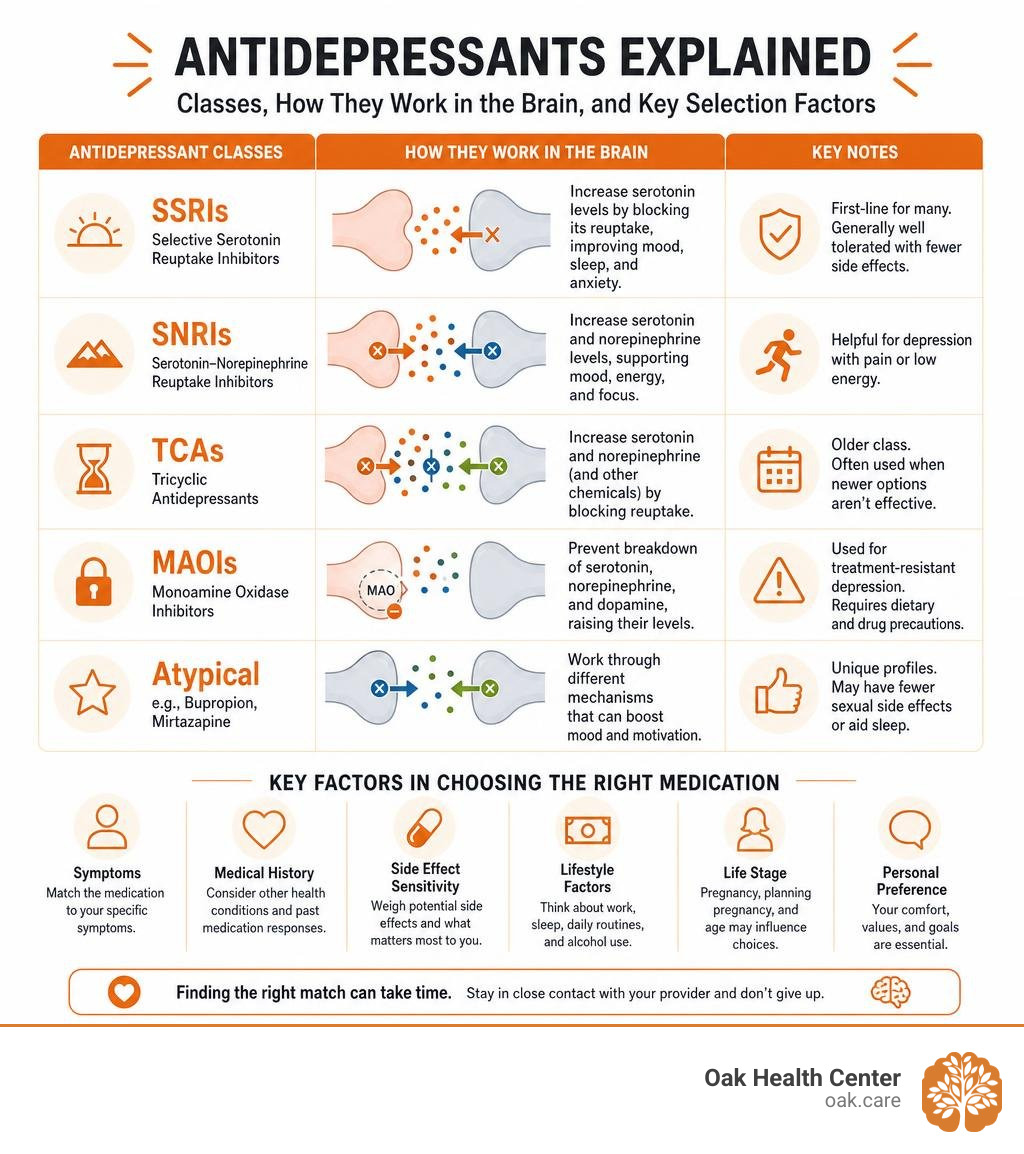
The most commonly used meds to treat depression fall into these main categories:
| Medication Class | Common Examples | Best Known For |
|---|---|---|
| SSRIs | Fluoxetine, Sertraline, Escitalopram | First-line treatment, fewest side effects |
| SNRIs | Venlafaxine, Duloxetine | Pain relief plus mood improvement |
| TCAs | Amitriptyline | Older class, used when others fail |
| MAOIs | Phenelzine | Treatment-resistant cases |
| Atypical | Bupropion, Mirtazapine | Unique profiles, fewer sexual side effects |
Depression is one of the most common mental health conditions in the United States — and it’s getting more common. Among adults aged 18 to 25, the rate of major depressive episodes doubled from 8.8% in 2005 to 17% in 2020. Today, roughly 13% of U.S. adults take an antidepressant, compared to just 2.4% in the late 1980s.
Yet up to 75% of patients stop taking their antidepressant within six months.
That’s not because the medications don’t work. It’s often because finding the right medication takes time, patience, and a provider who actually listens. The good news: with the right match, about 50 out of 100 people see meaningful improvement within 6 to 8 weeks.
This guide walks you through every major class of depression medication, how to choose between them, what side effects to expect, and when to consider switching — so you can have a more informed conversation with your provider.
I’m Andrew Brewer, Practice Manager at Oak Health Center, where I’ve helped grow our psychiatric care programs and provider team to better serve patients navigating decisions about meds to treat depression and other mental health conditions. My goal here is to make this topic as clear and actionable as possible as you move into the sections below.
Quick meds to treat depression terms:
- alternative treatments for depression
- alternative ways to treat depression
- depression during pregnancy treatment
Understanding the Main Classes of Meds to Treat Depression
To find the medication that feels like a match, it helps to understand what is happening behind the scenes in your brain. Depression is closely linked to chemical messengers called neurotransmitters. These chemicals—primarily serotonin, norepinephrine, and dopamine—help brain cells communicate with one another. When these pathways are sluggish or out of balance, it can directly affect your sleep, appetite, energy, and overall mood.
Antidepressants work by altering how these neurotransmitters are processed. Rather than acting as a temporary stimulant, they gently adjust the brain’s chemistry over time, allowing your nervous system to adapt, heal, and build stronger pathways.
Let’s explore the primary classes of meds to treat depression that our psychiatric team works with.
Selective Serotonin Reuptake Inhibitors (SSRIs)
SSRIs are the most frequently prescribed first-line medications for major depressive disorder. They work by blocking the reabsorption (reuptake) of serotonin in the brain. This leaves more serotonin available in the synaptic gap, enhancing signal transmission between brain cells and gradually lifting your mood.
Some of the most widely recognized SSRIs include:
- Fluoxetine (Prozac): Approved by the FDA in 1987, fluoxetine has a remarkably long half-life. This means it stays in your system longer, making it a forgiving option if you occasionally forget a dose. You can view official safety guidelines via the DailyMed – FLUOXETINE- fluoxetine hydrochloride capsule or the tablet documentation at DailyMed – FLUOXETINE- fluoxetine hydrochloride tablet.
- Escitalopram (Lexapro): Approved in 2002, escitalopram is highly selective for serotonin and is often praised for its clean side-effect profile. It is commonly used for both depression and generalized anxiety. Learn more about its clinical details through the DailyMed – ESCITALOPRAM tablet, film coated and DailyMed – ESCITALOPRAM capsules.
- Citalopram (Celexa): A close relative of escitalopram, citalopram is another reliable option. However, it requires careful dosing in older adults due to potential cardiovascular effects at higher doses. You can read the official warnings on DailyMed – CITALOPRAM HYDROBROMIDE tablet.
- Sertraline (Zoloft): Frequently recommended for patients with co-occurring anxiety or panic disorders, and highly utilized in perinatal care due to its well-documented safety profile.
Because SSRIs generally cause fewer severe side effects and are safer in the event of an accidental overdose compared to older drugs, they remain the starting point for many treatment plans.
Serotonin-Norepinephrine Reuptake Inhibitors (SNRIs)
SNRIs are “dual-action” medications. They block the reabsorption of both serotonin and norepinephrine, a chemical closely tied to energy, focus, and physical alertness.
Common SNRIs include:
- Venlafaxine (Effexor): At lower doses, venlafaxine acts primarily as an SSRI. At higher doses, it begins to recruit norepinephrine, making it highly effective for severe or stubborn depressive symptoms.
- Duloxetine (Cymbalta): This medication is particularly unique because it is also FDA-approved to treat chronic pain conditions, such as fibromyalgia and diabetic neuropathy. If you suffer from depression alongside physical aches, duloxetine can address both issues at once.
- Desvenlafaxine (Pristiq): An active metabolite of venlafaxine, designed to offer consistent therapeutic levels with simplified dosing.
You can view a comprehensive list of these options and their clinical indications via the Depression Medication List: Common MDD Treatments.
Tricyclic Antidepressants (TCAs) and MAOIs
Before SSRIs and SNRIs existed, clinicians relied on older, first-generation classes of meds to treat depression. While highly effective, they are used less frequently today because they interact with a wider range of receptors in the body, leading to more complex side effects.
- Tricyclic Antidepressants (TCAs): Medications like amitriptyline block the reuptake of serotonin and norepinephrine, but they also bind to histamine and acetylcholine receptors. This can cause dry mouth, constipation, blurred vision, and drowsiness. Additionally, TCAs carry significant cardiovascular risks and can be highly toxic in an overdose. However, they remain excellent tools for treating severe, treatment-resistant depression, migraines, and nerve pain.
- Monoamine Oxidase Inhibitors (MAOIs): Medications like phenelzine work by inhibiting monoamine oxidase, an enzyme that breaks down neurotransmitters. This leaves a larger pool of chemicals available in your brain. The catch? MAOIs require a strict diet. You must avoid foods high in tyramine (such as aged cheeses, cured meats, draft beers, and red wine) to prevent a sudden, dangerous spike in blood pressure.
Choosing the Right First-Line Treatment for You
Selecting the right medication is not a guessing game; it is a collaborative process known as shared decision-making. Your psychiatrist or psychiatric nurse practitioner will look at your unique biology, physical health, and lifestyle to tailor a recommendation specifically for you.

Key Factors in Selecting Meds to Treat Depression
When you meet with a provider at one of our Southern California locations, we look at several vital clues to determine your best match:
- Symptom Profile: If you struggle with severe insomnia and weight loss, an atypical antidepressant like mirtazapine (which promotes sleep and appetite) might be ideal. If you struggle with fatigue and low energy, a more activating medication like bupropion could be a better fit.
- Family History: Our genetics can influence how we metabolize medications. If a parent or sibling had excellent results with a specific SSRI, there is a strong chance your body will respond well to it too.
- Comorbidities: Do you also experience generalized anxiety, chronic pain, or migraines? We can often select a single medication that addresses multiple concerns simultaneously.
- Drug Interactions: We carefully review any other prescriptions, over-the-counter drugs, or herbal supplements you are taking to avoid negative interactions.
- Cost and Accessibility: We want to ensure your treatment is sustainable. We prioritize finding highly effective, generic options that are widely covered by insurance.
To explore how our team approaches these customized treatment plans, visit our Psychiatry Services page.
What to Expect: Timeline and Duration of Treatment
One of the most important things to know about starting meds to treat depression is that they do not work overnight.
While you might notice minor improvements in sleep, appetite, or physical energy within the first two weeks, it typically takes four to eight weeks to experience a noticeable lift in your mood. This delay occurs because antidepressants work by encouraging neuroplasticity—the brain’s ability to repair, adapt, and grow new neural connections over time.
Once you find a medication that helps you feel like yourself again, the journey doesn’t stop there. Clinical guidelines recommend staying on the medication for at least 6 to 12 months after your symptoms resolve. For individuals who have experienced multiple depressive episodes, long-term maintenance therapy may be recommended. Studies show that continuing your medication as a preventive measure reduces the risk of a relapse from roughly 50% down to just 23%.
Side Effects, Safety Risks, and Switching Strategies
Every medication has potential side effects. Fortunately, most side effects associated with modern antidepressants are mild, manageable, and tend to fade within the first few weeks as your body adjusts.

Managing Common Side Effects and Serious Risks
Here is a breakdown of common side effects and how we help you manage them:
- Nausea and Digestive Issues: Often occurs during the first week. Taking your medication with a meal can make a massive difference.
- Sexual Dysfunction: This can include a decreased libido or difficulty reaching orgasm. If this occurs, we can adjust your dose, switch you to a medication like bupropion (which is rarely associated with sexual side effects), or add an augmenting agent.
- Weight Changes: Some medications are weight-neutral, while others may increase appetite. We can help you select an option that aligns with your physical health goals.
- Serotonin Syndrome: A rare but serious condition that occurs when serotonin levels become dangerously high. This is usually caused by combining multiple serotonergic medications. Symptoms include extreme shivering, sweating, confusion, and muscle twitching. Seek immediate medical attention if you experience these symptoms.
- Suicidal Ideation: All antidepressants carry an FDA “black box warning” regarding an increased risk of suicidal thoughts and behaviors in children, teens, and young adults under the age of 25. This risk is highest during the first few weeks of starting a medication or when changing doses. Close monitoring and open communication with your provider are essential.
Preventing Antidepressant Discontinuation Syndrome
If you decide to stop taking your medication, it is vital that you do not do so abruptly. Stopping cold turkey can trigger antidepressant discontinuation syndrome. This is not a sign of addiction; rather, it is your central nervous system reacting to a sudden drop in chemical levels.
Symptoms can include:
- Dizziness and lightheadedness
- “Brain zaps” (brief, electric shock-like sensations in the head)
- Flu-like symptoms (chills, muscle aches, sweating)
- Irritability, anxiety, and vivid dreams
To prevent this, we utilize a gradual tapering strategy. We typically reduce your dose by roughly 25% every four weeks under close medical supervision, allowing your brain chemistry to adjust smoothly and safely.
Comparing Medication, Psychotherapy, and Alternative Treatments
While meds to treat depression are incredibly powerful, they are only one piece of the puzzle. At Oak Health Center, we believe in a comprehensive approach.
- Psychotherapy: Talk therapy, such as Cognitive Behavioral Therapy (CBT), helps you identify negative thought patterns, build coping mechanisms, and address the root causes of stress.
- Combination Therapy: Numerous clinical trials have demonstrated that combining medication with psychotherapy is significantly more effective than using either treatment alone.
- Alternative and Advanced Treatments: If standard medications do not provide the relief you need, you are not out of options. We offer cutting-edge, non-invasive treatments like Transcranial Magnetic Stimulation (TMS). Learn more about how this technology works by reading How TMS Therapy Works for Depression or explore our ranking of The Best Professional Alternative Treatments for Depression Ranked.
How to Safely Switch Meds to Treat Depression
If your initial antidepressant isn’t giving you the relief you deserve, please don’t lose heart. It is incredibly common to try more than one option before finding the perfect match.
When switching medications, your provider will design a safe transition plan. This might involve:
- Cross-Tapering: Slowly lowering the dose of your current medication while gradually introducing the new one.
- Direct Switching: Swapping one medication for another overnight (only safe with certain chemically similar drugs).
- Wash-Out Periods: Taking a brief break between medications to ensure the first drug is entirely out of your system (essential when switching to or from an MAOI).
If you feel like you have tried everything without success, you may be experiencing treatment-resistant depression. Read our guide on Understanding Treatment-Resistant Depression: When Standard Treatments Aren’t Enough to learn about advanced options that can help.
Frequently Asked Questions about Depression Medications
Are antidepressants addictive?
No. Antidepressants are not addictive. They do not cause the intense cravings, physical dependence, or compulsive drug-seeking behaviors associated with substances of abuse. While your body can experience physical withdrawal symptoms (discontinuation syndrome) if you stop taking them suddenly, this is a normal physiological reaction, not an addiction.
What are the risks of taking antidepressants during pregnancy?
Untreated depression during pregnancy (perinatal depression) carries significant risks for both the mother and the developing baby. Roughly 12% of patients meet the criteria for major depressive disorder during the perinatal period.
Many modern antidepressants, particularly certain SSRIs like sertraline, have a strong safety record during pregnancy and breastfeeding. While there are minor potential risks—such as a very small increase in the risk of persistent pulmonary hypertension in newborns—we carefully weigh the risks of untreated depression against the risks of medication. We often utilize national pregnancy registries to track outcomes and ensure the highest standard of safety for you and your baby.
What monitoring is required when starting a new medication?
When you begin or change a prescription, we schedule regular follow-up appointments to monitor your progress. During these visits, we:
- Screen for any changes in mood or suicidal thoughts.
- Check your blood pressure (particularly important for SNRIs, which can occasionally raise blood pressure).
- Order routine blood tests if necessary (for example, checking sodium levels in older adults, who are at a higher risk for hyponatremia).
- Discuss any side effects you are experiencing and make gentle adjustments to keep you comfortable.
Conclusion
Finding the right meds to treat depression is a highly personal journey—one that requires clinical expertise, deep compassion, and dedicated support. You do not have to navigate this process alone.
At Oak Health Center, we are committed to simplifying your access to exceptional mental healthcare. With five physical locations across Southern California—including Beverly Hills, Fullerton, Laguna Hills, Rancho Cucamonga, and South Pasadena—as well as convenient virtual services statewide, we make it easy to get the personalized support you deserve.
If you are ready to take the next step toward feeling like yourself again, we are here to help. Schedule a Psychiatry Consultation with our compassionate team today.