


When Antidepressants Aren’t Enough: Alternative Ways to Treat Depression
If you’re exploring alternative ways to treat depression, here is a quick overview of the most effective options backed by research:
Most effective alternative treatments for depression:
| Treatment | Type | Best For |
|---|---|---|
| TMS (Transcranial Magnetic Stimulation) | Brain stimulation | Treatment-resistant depression |
| Ketamine / Esketamine | Infusion / nasal spray | Rapid relief, severe depression |
| ECT (Electroconvulsive Therapy) | Brain stimulation | Severe, crisis-level depression |
| CBT / DBT / ACT | Psychotherapy | Mild to severe depression |
| Exercise | Lifestyle | All severity levels |
| Omega-3 / Folate / SAM-e | Supplements | Mild to moderate, as add-on |
| Psilocybin | Emerging therapy | Under clinical investigation |
| Mindfulness & sleep hygiene | Lifestyle | All severity levels |
Depression is one of the most common medical conditions in the world — yet standard antidepressants only relieve symptoms in about one-third of people who take them. For the millions of people who don’t get enough relief from medication alone, finding what actually works can feel exhausting and discouraging.
The good news? There are more options than ever before. From FDA-cleared brain stimulation therapies to evidence-based lifestyle changes and emerging psychedelic treatments, the landscape of depression care has expanded significantly.
This guide covers what the research says about each option — including success rates, side effects, and how to figure out what might work for you.
I’m Andrew Brewer, Practice Manager at Oak Health Center, where I’ve helped build and expand programs — including TMS therapy — that give patients access to alternative ways to treat depression when first-line treatments fall short. My work sits at the intersection of operations and patient care, which means I’ve seen how the right treatment match can change someone’s trajectory.
When Standard Treatment Is Not Enough
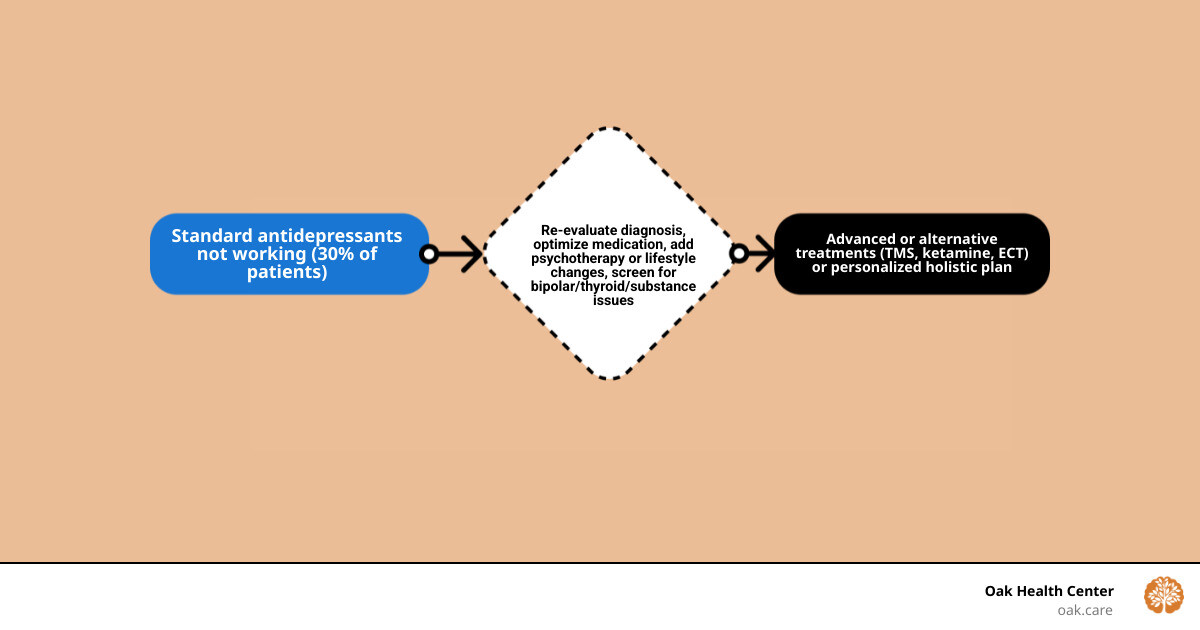
For many people, the first treatment plan for major depressive disorder works eventually. For many others, it does not. That does not mean the depression is “untreatable,” and it definitely does not mean someone has failed treatment. It usually means we need a more precise plan.
About 30% of people with major depressive disorder meet criteria for treatment-resistant depression. Young adults can be especially vulnerable because depression often first shows up in the late teens and early 20s, right when school, work, identity, and relationships are already messy enough.
Before we jump to advanced treatments, we need to ask practical questions:
- Was the medication taken consistently?
- Was the dose high enough?
- Was it given enough time to work, usually 4 to 8 weeks?
- Is the diagnosis correct?
- Could bipolar disorder, thyroid disease, sleep apnea, substance use, or another medical issue be contributing?
- Is there a family history that points toward a different treatment path?
- Would a second opinion help?
Sometimes the next breakthrough starts with a better assessment, not a fancier treatment.

What treatment-resistant depression means
Treatment-resistant depression usually means depressive symptoms continue despite at least two adequate antidepressant trials. Some people have no response at all. Others have a partial response but still feel too exhausted, hopeless, slowed down, or emotionally flat to function well.
That functional piece matters. Someone may be “better than before” but still unable to work, sleep normally, enjoy relationships, or care for themselves. That is not full recovery.
If this sounds familiar, our guides on Understanding Treatment Resistant Depression When Standard Treatments Aren’t Enough and What Treatment Resistant Depression Really Means and What You Can Do About It go deeper into what these patterns look like in real life.
Why antidepressants sometimes fail
There are several reasons standard antidepressants do not help enough:
- The medication was stopped before reaching a therapeutic threshold.
- The dose was too low or side effects made adherence difficult.
- The depression is part of bipolar disorder rather than unipolar depression.
- Alcohol, cannabis, or other substances are worsening symptoms.
- Sleep problems are driving low mood and fatigue.
- Medical causes such as thyroid problems are being missed.
- Genetics may affect metabolism or tolerability.
- Folate deficiency may be playing a role in more severe or refractory depression.
- Expectations are off; some symptoms improve before mood does.
One frustrating fact from the research: fewer than 2% of patients have success with a third or fourth antidepressant medication alone. That is one reason a thoughtful pivot matters.
Next steps before switching to advanced options
Before moving to TMS, ketamine, or ECT, we usually review lower-risk, higher-yield basics:
- Optimize the current medication dose if appropriate
- Switch to a different antidepressant class
- Add an augmentation strategy
- Add psychotherapy if medication has been used alone
- Consider pharmacogenetic testing as a clue, not a crystal ball
- Review sleep, exercise, stress, nutrition, and substance use
- Re-check diagnosis, especially for bipolar features
- Refer to psychiatry if treatment has stalled
If you’re wondering whether it’s time for a specialist, see How to Know When It’s Time to See a Psychiatrist.
Evidence-Based Alternative Ways to Treat Depression
When people search for alternative ways to treat depression, they are often asking two different things at once:
- What works when medication has not worked?
- What works besides medication?
Both questions matter. Some alternatives are medical but nontraditional, like TMS or ketamine. Others are non-medication approaches, like psychotherapy or exercise.
Here is a practical comparison of the main escalation treatments:
| Treatment | Response / remission | Main pros | Main drawbacks |
|---|---|---|---|
| TMS / rTMS | About 50% improve; over 30% reach remission | Outpatient, no anesthesia, well tolerated | Requires many sessions |
| Accelerated TMS / SAINT-style protocols | Very high early response in studies, including 85.7% response and 78.6% remission in TRD research | Fast, promising for severe TRD | Availability varies, not standard everywhere |
| ECT | Around 80% respond; about 65% remission after 4 weeks in severe cases | Most effective for severe depression | Anesthesia, memory side effects |
| Ketamine / Esketamine | Rapid relief in some patients | Fast onset, useful when urgent improvement matters | Dissociation, blood pressure monitoring, relapse risk |
| VNS / DBS | Reserved for highly resistant cases | Option for extreme chronic illness | Invasive, limited availability |
TMS as one of the leading alternative ways to treat depression
Transcranial Magnetic Stimulation, or TMS, is one of the best-studied alternative ways to treat depression when antidepressants have not done enough. It uses magnetic pulses to stimulate brain circuits involved in mood regulation.
Research shows standard repetitive TMS improves depression symptoms in about 50% of patients, with more than 30% achieving remission. When combined with psychotherapy, response and remission rates have been reported around 66% and 55%.
Why many people like it:
- It is done in an outpatient setting
- No anesthesia is required
- You stay awake and can return to normal activities after
- It avoids systemic medication side effects like weight gain, sexual side effects, or sedation
Common side effects are usually manageable:
- Scalp discomfort
- Mild headache
- Tingling around the treatment area
- Fatigue in some patients
Newer protocols are making TMS faster. Intermittent theta burst stimulation can shorten sessions dramatically, and accelerated approaches are being studied aggressively. The SAINT protocol reported response rates of 85.7% and remission rates of 78.6% in treatment-resistant depression research, though these results are not the same as saying everyone will get that outcome in standard clinical practice.
If you want to learn more, visit our Transcranial Magnetic Stimulation page and How TMS Therapy Works for Depression.

ECT, ketamine, and other escalation treatments
ECT remains the most effective acute treatment for severe depression, especially when someone has psychotic depression, catatonia, severe functional decline, or urgent suicidal risk. Modern ECT is done under anesthesia using controlled electrical stimulation. It is much safer and more standardized than old cultural stereotypes suggest.
Pros of ECT:
- Strongest evidence for severe depression
- Can work faster than standard medication
- Especially useful in crisis-level situations
Main drawbacks:
- Requires anesthesia
- Temporary confusion can occur
- Memory side effects are the biggest concern for many patients
Ketamine and esketamine offer a different path. These treatments act on glutamate systems rather than the serotonin pathways targeted by typical antidepressants. That is one reason they can help when SSRIs have failed.
Important points:
- Ketamine is usually given by infusion
- Esketamine is an FDA-approved nasal spray for treatment-resistant depression
- Treatment is done in a monitored clinical setting
- Side effects may include dissociation, nausea, dizziness, and temporary blood pressure increases
- Benefits can be rapid, but may fade without ongoing treatment
Vagus nerve stimulation and deep brain stimulation are generally reserved for the most difficult chronic cases. They are far less common than TMS, ECT, or ketamine because they are more invasive and usually considered only after several other treatments have failed.
Emerging procedures to watch in 2026
The depression treatment pipeline is getting more interesting every year, and yes, for once “interesting” is not just a polite way to say confusing.
A few emerging areas worth watching in 2026:
- Psilocybin-assisted treatment: A recent study found a single 25 mg dose produced rapid symptom relief within days, with 53% remission at six weeks versus 6% with placebo. It remains investigational and is not yet standard care for depression.
- Neurofeedback: Research suggests real-time brain feedback may help reduce depressive rumination by training specific brain networks.
- Positive Affect Treatment: This psychotherapy targets anhedonia, or loss of pleasure, by rebuilding reward processing rather than only reducing negative emotion. Read more in this report on Positive Affect Treatment.
- Wearable-guided personalized care: Machine learning and smartwatch data may help identify which daily habits drive each person’s low moods. See this report on personalized lifestyle coaching.
- Ultrasound neurostimulation: Early research is promising, but human clinical use for depression is still investigational.
- Retinal or contact-lens-based brain stimulation: Fascinating early-stage science, but definitely not a “buy it next Tuesday” treatment. See this early report.
- Psilocybin research updates: This study summary is a useful example of where the field is headed.
How Non-Medication and Holistic Alternatives Compare
Not every effective alternative is high-tech. Some of the strongest evidence in depression care still comes from therapy, exercise, sleep regulation, and social support.
Psychotherapy approaches that work for depression
Psychotherapy is not a “backup plan” for people who are not sick enough for medical treatment. It is a frontline, evidence-based treatment for depression and an important add-on for treatment-resistant cases.
Effective approaches include:
- CBT, which helps change unhelpful thoughts and behaviors
- DBT, especially when emotion dysregulation or self-harm is part of the picture
- ACT, which builds psychological flexibility
- IPT, which focuses on relationships and life transitions
- Behavioral activation, which helps people re-engage with meaningful action
- Group therapy, which can reduce isolation and increase accountability
For people with anhedonia or repetitive negative thinking, newer methods are also promising. Positive Affect Treatment targets joy, reward, and motivation. Neurofeedback may one day help target rumination more precisely.
Learn more about our psychotherapy services and related care in Managing Anxiety Without Medication When Psychotherapy Is Enough.
Lifestyle-based alternative ways to treat depression for daily recovery
Lifestyle care is often dismissed as “just self-care,” which is unfortunate because many of these strategies have real evidence behind them.
Exercise is one of the most reliable non-medication treatments. Multiple meta-analyses have found that it reduces depressive symptoms, with effect sizes comparable to CBT or antidepressants in some studies. It also improves sleep, energy, anxiety, and physical health. Not bad for something that can start with a 10-minute walk.
Other helpful lifestyle tools include:
- Consistent sleep and wake times
- Morning light exposure to support circadian rhythm
- Limiting alcohol and recreational drugs
- Stress reduction through mindfulness, yoga, or journaling
- Mediterranean-style eating patterns rich in plants, whole grains, fish, and healthy fats
- Reducing isolation through supportive relationships
What is especially exciting in 2026 is personalization. Rather than giving everyone the same generic advice, researchers are using wearable data and machine learning to identify which factors matter most for each person. In one recent study, 55% of participants no longer met depression criteria after six weeks of personalized coaching.
Supplements and complementary therapies: what helps and what needs caution
Many people want “natural” options. That is understandable. Natural does not always mean harmless, though, and some supplements can interact dangerously with prescription medications.
A few evidence-based takeaways:
- Omega-3 fatty acids: A meta-analysis of 16 trials found reduced depressive scores. These may be reasonable as an add-on, especially for mild to moderate symptoms.
- Folate or L-methylfolate: Folate deficiency is associated with more severe and treatment-resistant depression. Treating deficiency is sensible.
- SAM-e: Some evidence supports benefit, but it can be costly and may not be right for everyone.
- St. John’s wort: A large meta-analysis found it performed similarly to antidepressants with fewer side effects, but it has major drug interaction risks.
- Vitamin D and saffron: Often discussed and sometimes helpful, but evidence is more mixed than many headlines suggest.
- Acupuncture: Safety appears good, but evidence for depression specifically is inconsistent and not clearly better than sham treatment.
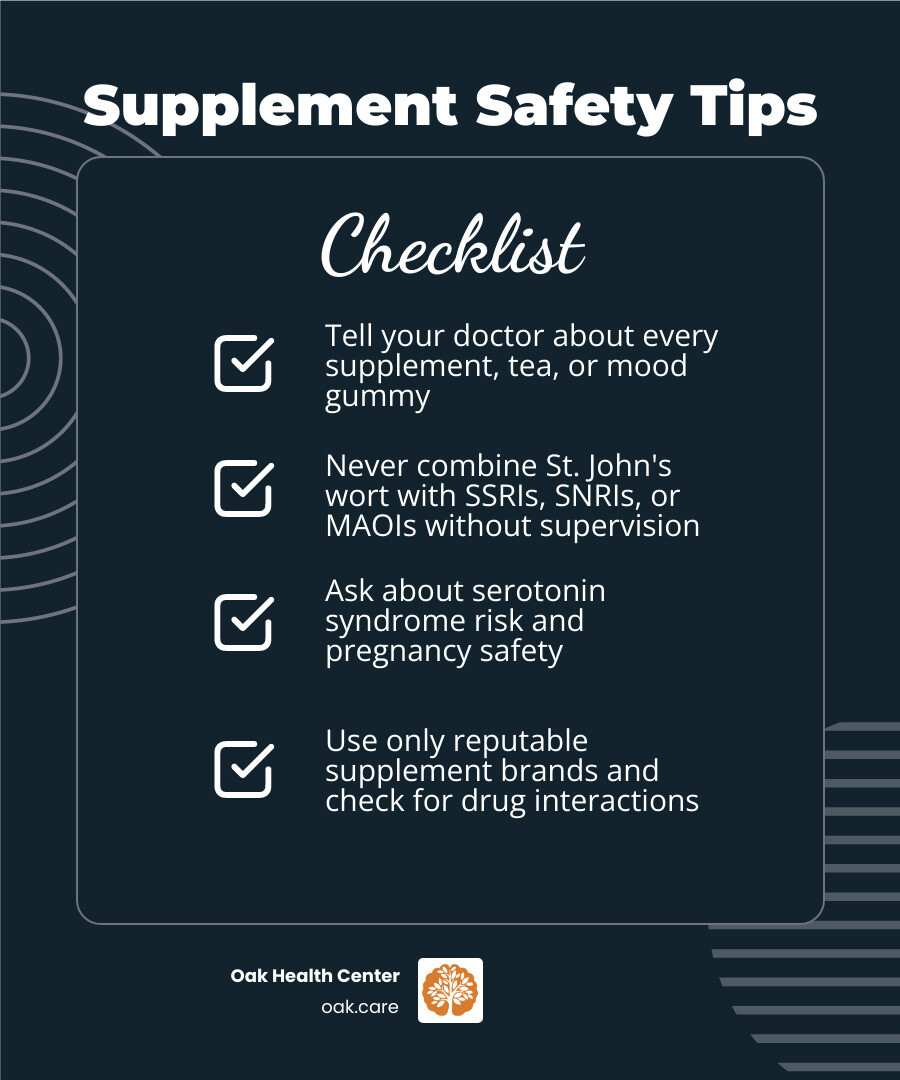
A key safety issue: about 40% of adults with depression use complementary and alternative medicine, and most do not tell their physicians. We strongly recommend telling your clinician about every supplement, tea, powder, and “mood gummy.” Especially the gummy.
Safety cautions to remember:
- Do not combine St. John’s wort with SSRIs, SNRIs, TCAs, or MAOIs without medical supervision
- Ask about serotonin syndrome risk
- Review pregnancy and breastfeeding safety
- Check for interactions with bipolar disorder treatment
- Use reputable supplement brands
Success Rates, Side Effects, and Access: Choosing the Right Fit
The best treatment is not just the one with the highest number in a study. It is the one that matches the person’s symptoms, urgency, medical history, side effect tolerance, schedule, support system, and access.
Comparing speed, durability, and side effects
Here is the short version:
- TMS: Usually takes several weeks, though some improve earlier. Often well tolerated. May require maintenance in some cases.
- ECT: Often works quickly, especially for severe depression. Strong efficacy, but memory effects can limit acceptability.
- Ketamine / esketamine: Fastest symptom relief for some patients, but effects may not last without repeated treatment.
- Psychotherapy: Slower than ketamine, often more durable because it builds skills.
- Exercise and sleep repair: Gradual but broadly beneficial, with low risk and many health benefits.
- Supplements: Usually modest effect, best as add-ons rather than stand-alone treatment for moderate to severe depression.
Who may benefit most from each option
Different profiles often point toward different treatments:
- First episode or mild depression: psychotherapy, exercise, sleep, and medication if needed
- Chronic or recurrent depression: combination care, often therapy plus psychiatry
- Treatment-resistant depression: TMS, esketamine, ketamine, ECT, and specialized psychotherapy
- Severe suicidal depression: urgent psychiatric evaluation; ECT or ketamine-based approaches may be considered depending on the case
- Seasonal pattern: light therapy may help
- Anxiety overlap: CBT, ACT, sleep treatment, and careful medication review
- Possible bipolar features: psychiatric assessment before standard antidepressant escalation
- Postpartum depression: specialized psychiatric care with attention to safety, sleep disruption, and infant care demands
Questions to ask before starting a new treatment
Before you start anything new, ask:
- What exactly is this treatment meant to improve?
- How strong is the evidence?
- How soon might I notice a change?
- What are the common side effects?
- What rare but serious risks should I know?
- Will this interact with my current medications or supplements?
- What happens if it works? What is the maintenance plan?
- What happens if it does not work?
- Do I need transportation, time off work, or childcare?
- Is it covered by insurance?
- What is the emergency plan if my symptoms worsen?
- Should I bring a support person into the discussion?
If you are not sure who should guide the decision, our article on Nurse Practitioner vs Psychiatrist Who Should You See for Mental Health Care can help.
Frequently Asked Questions About Alternative Ways to Treat Depression
What is treatment-resistant depression and how common is it?
Treatment-resistant depression means depression symptoms continue despite adequate treatment, usually after at least two antidepressant trials. It affects about 30% of people with major depressive disorder. Persistent symptoms can include low mood, loss of interest, poor concentration, sleep problems, fatigue, and ongoing impairment in work or relationships.
Are alternative ways to treat depression more effective than antidepressants?
Sometimes yes, sometimes no. It depends on the person and the severity of illness. For treatment-resistant depression, TMS, ECT, and ketamine-based treatments may outperform repeated medication switches. But antidepressants still help many people, and combination care is often best. In practice, the most effective plan is usually individualized rather than ideological.
Can I combine holistic therapies with medical treatment?
Yes, and that is often the smartest approach. Psychotherapy can be combined with medication, TMS, or ketamine. Exercise, sleep optimization, and nutrition usually support any treatment plan. Supplements require more caution because of interactions, especially St. John’s wort and SAM-e. Coordinated care matters.
Conclusion
If standard antidepressants have not brought enough relief, there are real, evidence-based next steps. Alternative ways to treat depression now include much more than trial-and-error medication changes. TMS, ECT, ketamine, psychotherapy, exercise, and targeted lifestyle changes all have a role, depending on the person in front of us.
Our goal at Oak Health Center is simple: help people find the safest, most effective path forward without making access harder than it already is. We provide compassionate mental health care across Southern California and statewide virtual services, so getting support does not have to feel like a second job.
To learn more, explore Oak Health Center Launches New TMS Therapy Program, browse our full services, or visit our psychiatry services.
If you or someone you love is dealing with depression that is not improving, we encourage you to reach out. The next treatment step might not be more of the same. It might finally be the right fit.