


Why Are Mental Health Clinics Essential for Modern Wellness?
As we navigate May 2026, the conversation around mental health has fundamentally shifted. We no longer view mental wellness as merely the absence of a crisis; rather, it is recognized as a cornerstone of overall physical, emotional, and social well-being. Despite this growing awareness, the demand for structured, professional support continues to rise.
According to national health data, 1 in 5 American adults experiences some form of mental, behavioral, or emotional disorder each year. Furthermore, mental health challenges rarely exist in isolation. Statistics show that about half of people with a substance use disorder also experience a co-occurring serious mental illness. These overlapping challenges highlight the need for comprehensive, integrated care that addresses the whole person rather than treating symptoms in isolation.
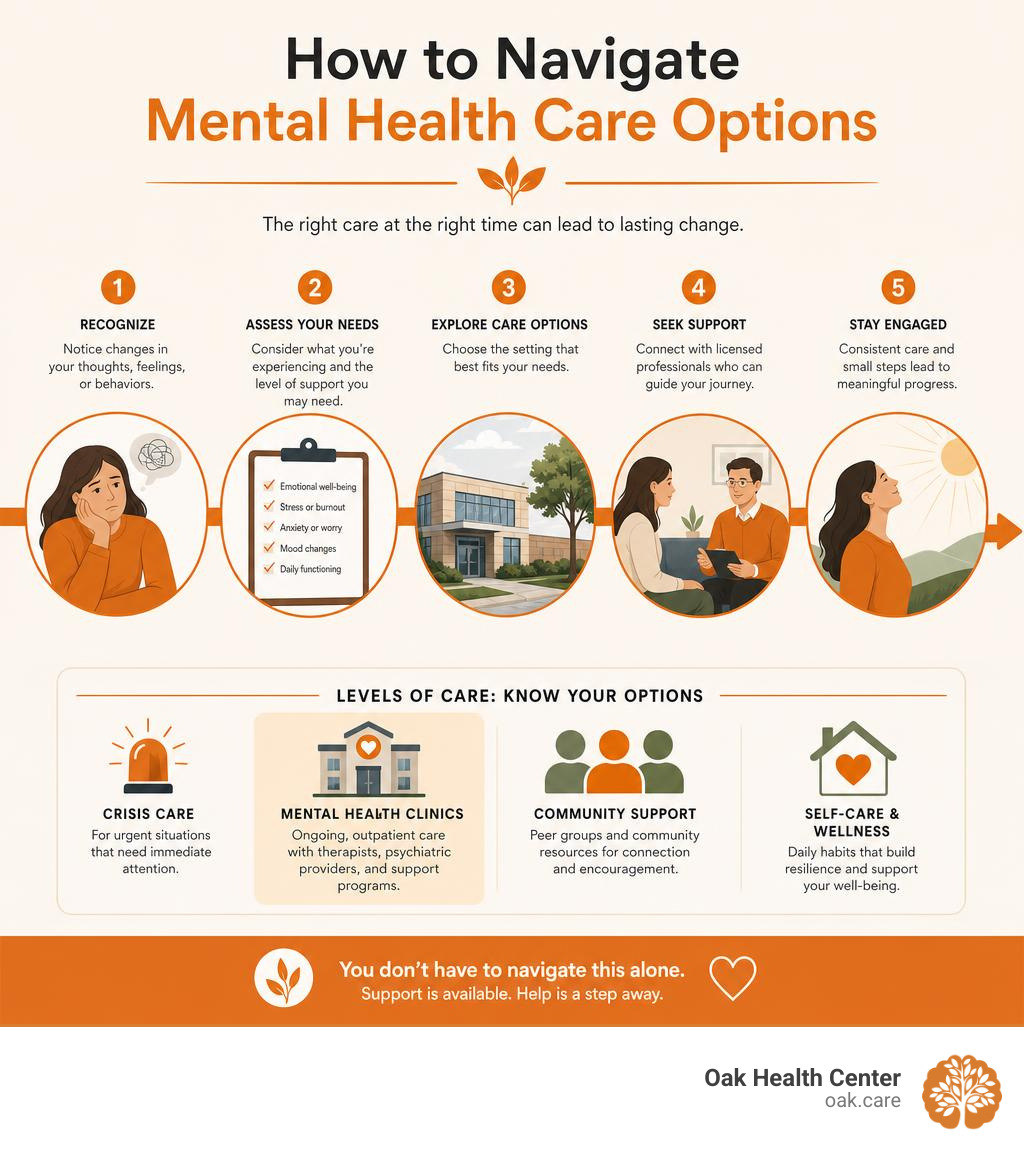
This is where mental health clinics play an indispensable role. They serve as the vital bridge between emergency crisis services and long-term, sustainable recovery. While emergency rooms are designed to stabilize immediate physical dangers, they are rarely equipped to provide the ongoing therapeutic and psychiatric care required to heal from conditions like clinical depression, anxiety disorders, PTSD, or ADHD.
By offering a centralized hub of licensed professionals—including psychiatrists, nurse practitioners, licensed therapists, and clinical social workers—mental health clinics provide a structured environment where patients can receive consistent, evidence-based care. Whether through weekly therapy sessions, advanced psychiatric interventions, or community-based support programs, clinics empower individuals to build the coping mechanisms and resilience needed to thrive in their daily lives.
What Types of Mental Health Clinics and Services Are Available?
When seeking care, it is helpful to understand that mental health clinics are not one-size-fits-all. Different clinics specialize in different modalities, and many offer a broad spectrum of clinical services designed to support diverse mental health needs.
To help you understand the primary pathways of care, we offer a comprehensive range of outpatient Services tailored to meet you wherever you are on your wellness journey. Below is a comparison of the primary service models typically found within modern mental health clinics:
| Service Type | Primary Focus | Best For | Key Modalities & Treatments |
|---|---|---|---|
| Outpatient Therapy | Emotional support, behavioral coping strategies, and cognitive restructuring. | Anxiety, mild-to-moderate depression, relationship issues, life transitions, and stress management. | Cognitive Behavioral Therapy (CBT), Dialectical Behavior Therapy (DBT), Acceptance & Commitment Therapy (ACT). |
| Psychiatric Services | Medical diagnosis, biological evaluation, and pharmacological treatment. | Moderate-to-severe depression, ADHD, bipolar disorder, panic disorders, and clinical anxiety. | Comprehensive psychiatric evaluations, personalized medication management, and lab monitoring. |
| Specialized Treatments | Advanced, targeted interventions for treatment-resistant or complex conditions. | Treatment-resistant depression, severe OCD, and major depressive disorder unresponsive to oral medications. | Transcranial Magnetic Stimulation (TMS), Spravato (esketamine) nasal spray, and intensive outpatient programs. |
Outpatient Therapy and Psychiatric Services
For the majority of individuals seeking mental health care, standard outpatient therapy and psychiatric services form the foundation of treatment. Outpatient therapy provides a safe, confidential space to work through emotional and psychological challenges. Licensed therapists help patients identify negative thought patterns, develop healthier communication skills, and build practical coping mechanisms for managing daily stressors associated with depression, anxiety, and ADHD.
However, because mental health conditions often involve complex biological and neurochemical factors, therapy is frequently paired with psychiatric care. Psychiatric services begin with a comprehensive psychiatric evaluation, during which a medical provider assesses your symptoms, medical history, and lifestyle factors to determine if medication could support your recovery.
Once a treatment plan is established, ongoing medication management ensures that your prescriptions are safe, effective, and tailored to your body’s unique chemistry. At our clinics, we emphasize the benefits of integrated outpatient care—where your therapist and psychiatric provider collaborate closely to ensure your biological and psychological treatments are perfectly aligned.
Specialized Treatments (TMS, Spravato, Medication Management)
For some individuals, standard talk therapy and traditional oral medications are not enough to achieve full remission. When depression or obsessive-compulsive disorder (OCD) does not respond to initial treatments, specialized, advanced interventions can offer new hope.
- Transcranial Magnetic Stimulation (TMS): TMS is a non-invasive, FDA-cleared medical treatment that uses targeted magnetic pulses to stimulate nerve cells in the areas of the brain associated with mood regulation and depression. Because it is non-systemic, it does not cause the systemic side effects often associated with oral antidepressants (such as weight gain or nausea).
- Spravato (Esketamine): Spravato is an FDA-approved nasal spray derived from ketamine, specifically indicated for adults with treatment-resistant depression or major depressive disorder with suicidal ideation. Administered under the direct supervision of medical professionals in a certified clinic setting, Spravato works rapidly to help rebuild neural connections in the brain.
- Personalized Medication Management: Utilizing modern diagnostic tools, psychiatric providers can fine-tune medication regimens to minimize side effects and maximize efficacy, ensuring a highly personalized approach to psychopharmacology.
- Evidence-Based Psychotherapy Modalities: To complement these biological treatments, clinics utilize structured therapies such as Cognitive Behavioral Therapy (CBT) for reframing thoughts, Dialectical Behavior Therapy (DBT) for emotional regulation, and Acceptance and Commitment Therapy (ACT) for psychological flexibility.
Age-Specific Care (Child, Teen, and Adult Services)
A person’s mental health needs change dramatically across their lifespan, which is why leading clinics provide specialized, age-appropriate care pathways.
- Child and Adolescent Services: Children and teenagers experience mental health challenges differently than adults. Pediatric and adolescent psychiatry focuses on developmental milestones, school-related anxieties, behavioral disorders, and family dynamics.
- The Power of Wraparound Support: When youth face severe behavioral or emotional challenges, community-based wraparound services provide intensive, holistic support. Research shows that when children and teens are helped by wraparound services, 80% stay in a home setting, 80% stay in school, and 80% stay out of trouble.
- Adult Psychiatric and Therapeutic Care: Adult services focus heavily on navigating life transitions, career stress, relationship dynamics, parenting challenges, and clinical disorders like major depression or generalized anxiety.
- Geriatric Mental Health Services: Older adults benefit from specialized care that addresses late-onset depression, grief and loss, cognitive changes, chronic pain management, and the psychological impacts of aging.
How Do County-Operated, Private, and Specialized Clinics Differ?
When researching “mental health clinics near me,” you will likely encounter several different organizational structures. Understanding the differences between county-operated clinics, private providers, and specialized non-profit programs is essential to finding the right fit for your clinical needs, timeline, and budget.
As you begin your search, reviewing these 5 Questions to Ask Before Hiring a Mental Health Clinic can help you evaluate your options objectively.

County-Operated Behavioral Health Departments
County-operated mental health clinics—such as those run by the Los Angeles County Department of Mental Health (LACDMH) or the Riverside University Health System—serve as the primary safety net for local communities.
- Primary Focus: These clinics are designed to serve individuals experiencing severe and persistent mental illness (SMI), such as schizophrenia, bipolar I disorder, or severe, disabling depression, as well as those in acute psychiatric distress.
- Services Offered: County clinics provide comprehensive crisis intervention, intensive case management, psychiatric medication support, and integrated dual-diagnosis treatment for individuals struggling with both mental illness and substance use disorders.
- Financial Accessibility: To ensure that no one is turned away due to an inability to pay, county departments utilize the Uniform Method of Determining Ability to Pay (UMDAP). This sliding scale system adjusts fees based on a patient’s income and family size, making essential care accessible to low-income and uninsured residents.
Private Mental Health Clinics
Private mental health clinics offer a highly personalized, streamlined care model that prioritizes rapid access, comfort, and integrated clinical excellence.
- Personalized Care and Faster Access: Unlike county systems, which often have strict eligibility criteria based on the severity of the illness and can involve long waiting lists, private clinics can typically schedule initial appointments within days.
- Comprehensive, Coordinated Care: Private clinics focus on keeping your care seamless by housing both therapy and psychiatry under one roof. This means your therapist and psychiatrist can easily coordinate your treatment plan, ensuring your medication and talk therapy work hand-in-hand.
- Our Southern California Presence: As a premier private provider, we are proud to offer this high standard of integrated care across our five convenient Southern California Locations—including Beverly Hills, Fullerton, Laguna Hills, Rancho Cucamonga, and South Pasadena—alongside comprehensive statewide telehealth services for all California residents.
Specialized Non-Profit and Community Programs
Specialized non-profit organizations and community-based programs bridge the gap between clinical treatment and social support services.
- Holistic Community Support: Non-profit organizations focus heavily on addressing the social determinants of health. In addition to outpatient behavioral therapy, they frequently offer housing assistance, employment coaching, transitional living programs, and foster care services.
- Collaborative Care Networks: These organizations often collaborate closely with private clinics, county departments, and local school districts to create a comprehensive web of support, ensuring that vulnerable populations receive both the clinical treatment and the practical life resources they need to build stable, healthy lives.
How Can You Find and Access Mental Health Clinics in Your Area?
Finding local mental health care can feel overwhelming, especially when you or a loved one are already dealing with the weight of psychological distress. Fortunately, there are several structured pathways and local resources available to simplify your search.
For example, local municipal resources, such as the city-level programs highlighted on the Mental Health | City of Rancho Cucamonga resource page, provide excellent starting points for residents seeking localized support, support groups, and community wellness initiatives.
To systematically find and access a clinic that fits your specific needs, we recommend following these practical steps:
- Identify Your Primary Needs: Determine whether you are looking for talk therapy, psychiatric medication management, specialized treatments (like TMS), or crisis support.
- Check Your Insurance Directory: Log into your health insurance portal to search for in-network mental health providers, which will minimize your out-of-pocket costs.
- Utilize Verified National Search Tools: Use confidential, anonymous directories like FindTreatment.gov to locate licensed mental health and substance use treatment facilities in your zip code.
- Contact Local County Helplines: If you require public services or low-cost care, call your county’s behavioral health access line (such as the LACDMH helpline or the Riverside County CARES line).
- Request a Primary Care Referral: Ask your primary care physician for a trusted referral to a local psychiatric provider or therapist.
- Schedule an Initial Consultation: Reach out to your selected clinic to verify their current availability, accepted insurance plans, and intake procedures.
Utilizing National Directories and Local Resources
National directories provide a secure, anonymous way to explore your options. The Substance Abuse and Mental Health Services Administration (SAMHSA) maintains FindTreatment.gov, a comprehensive national registry of state-licensed treatment facilities.
For localized, county-level support in Southern California, residents can utilize dedicated access lines. These lines are staffed by trained professionals who can screen your needs and direct you to the appropriate county-operated or contracted community clinic. Additionally, your primary care physician is an excellent resource; they can conduct preliminary mental health screenings and connect you with trusted private clinics in your immediate area.
Navigating Crisis Support and Immediate Care
If you or someone you care about is experiencing an immediate psychiatric emergency, acute suicidal ideation, or a severe mental health crisis, you do not have to wait for a standard clinic appointment.
- The 988 Suicide & Crisis Lifeline: By calling or texting 988, you can instantly connect with a trained crisis counselor. This confidential service is free, available 24/7, and offers support in over 200 languages.
- Mobile Crisis Response Teams: Many Southern California counties operate community-based mobile crisis response teams. These teams consist of psychiatric clinicians who can travel directly to a home, school, or community location to de-escalate psychiatric emergencies in both English and Spanish, providing a safe alternative to law enforcement intervention.
- Psychiatric Urgent Care Programs: Specialized urgent care clinics offer walk-in crisis resolution, rapid psychiatric assessments, and immediate problem-solving support without the long wait times and high costs of a hospital emergency room.
Overcoming Language and Cultural Barriers
Effective mental health care requires deep trust, which is incredibly difficult to build when your provider does not speak your primary language or understand your cultural background. Culturally competent therapy goes beyond basic translation; it acknowledges how cultural values, family dynamics, and societal stigma influence how we perceive and experience mental illness.
We believe that everyone deserves to be heard and understood in their own language. To learn more about why this matters, read our article on Why Culturally Competent Therapy Matters: Mental Health Care in Your Language.
To meet this critical need, we are proud to offer dedicated Multilingual Mental Health Care in California | Oak Health Center, ensuring that language barriers never stand in the way of high-quality psychiatric and therapeutic support.
How Do Insurance, Sliding Scales, and Payments Work at Clinics?
One of the most common barriers to seeking mental health care is financial concern. Navigating insurance benefits, copays, and deductibles can feel incredibly complicated, but understanding how clinic payments work can help you plan your care without unexpected financial stress.
Commercial Insurance and In-Network Providers
If you carry private commercial health insurance, utilizing an in-network clinic is the most effective way to keep your care affordable. When a clinic is “in-network,” it means they have negotiated discounted rates with your insurance carrier, which directly lowers your out-of-pocket costs.
Before scheduling your first visit, we highly recommend calling your insurance provider to verify your behavioral health benefits. Be sure to ask about:
- Your specific copay or coinsurance per session.
- Whether you have an annual deductible that must be met before your mental health benefits kick in.
- Whether your plan requires a prior authorization or a referral from your primary care doctor.
To make our services as accessible as possible, we are continually expanding our insurance partnerships. We are pleased to share that Oak Health Center Now In-Network with Blue Cross Blue Shield and Oak Health Center Now Accepts Cigna Healthcare Insurance, allowing members of these major networks to access our psychiatric and therapeutic services with minimal out-of-pocket expenses.
Public Insurance and Sliding Fee Schedules
For individuals covered by public health programs like Medi-Cal (California’s Medicaid program), mental health services are highly accessible. Medi-Cal covers a wide range of essential services, including outpatient therapy, psychiatric evaluations, and medication management, often with $0 copays.
If you are uninsured or underinsured and do not qualify for Medi-Cal, community-based and county-operated clinics offer sliding fee schedules. These schedules adjust the cost of treatment based on your household income and family size. Under federal and state guidelines, safety-net clinics and county behavioral health departments operate under a strict “no denial” policy, ensuring that no resident is turned away or denied essential psychiatric care simply because they cannot afford to pay.
What Should You Expect During Your First Visit or Intake Process?
Taking the step to visit a mental health clinic for the first time is an act of courage. It is completely natural to feel a bit anxious or unsure of what to expect. Demystifying the intake process can help ease these anxieties and prepare you for a productive, collaborative experience.
Seeking help is highly effective: clinical data shows that 3 out of 4 individuals with depression or anxiety report feeling better within 3 months of starting therapy.
The Initial Assessment and Psychiatric Evaluation
Your first appointment at a mental health clinic is primarily focused on gathering information and building a comprehensive picture of your overall well-being. This session is called an intake assessment or a comprehensive psychiatric evaluation.
During this initial visit, you can expect to:
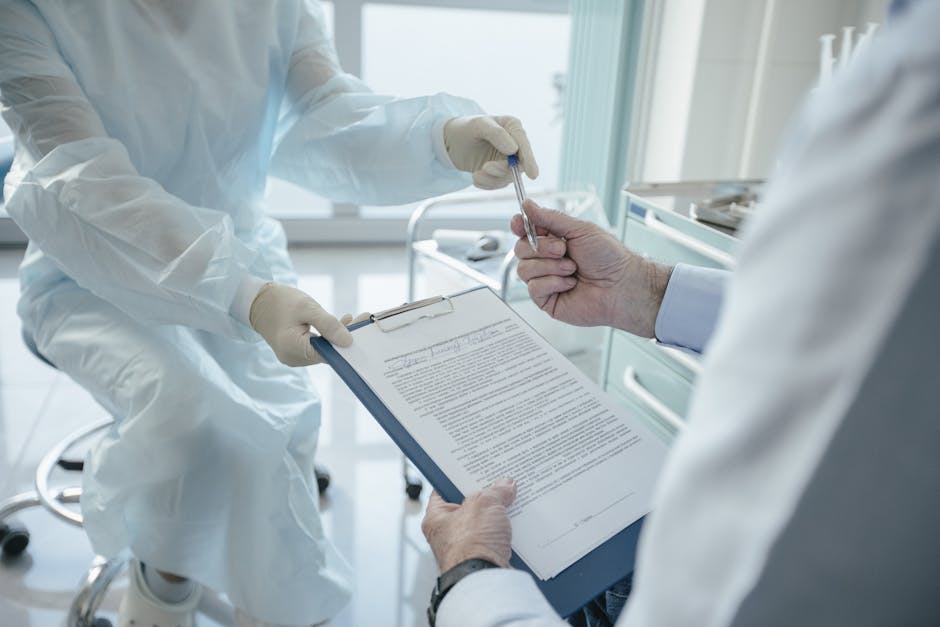
- Complete Intake Paperwork: You will fill out standard questionnaires regarding your current symptoms, medical history, family history of mental illness, and any medications you are currently taking.
- Discuss Your Symptoms and Goals: You will sit down with a licensed clinician to discuss what prompted you to seek help, how your symptoms are impacting your daily life (such as your sleep, work, or relationships), and what you hope to achieve through treatment.
- Undergo Diagnostic Screening: Your provider will use standardized clinical tools to help accurately identify or rule out specific conditions, ensuring an accurate diagnosis from the very start.
Creating a Personalized Treatment Plan
Once your evaluation is complete, your provider will work closely with you to design a personalized treatment plan. This is not a one-sided prescription; rather, it is a collaborative roadmap tailored to your unique goals, lifestyle, and preferences.
Your treatment plan will outline:
- Your Clinical Goals: Clear, measurable milestones you want to reach (e.g., reducing panic attacks, improving focus at work, or rebuilding family relationships).
- Recommended Modalities: The specific combination of talk therapy, psychiatric medication, or advanced treatments (like TMS) that will best support your recovery.
- Frequency of Care: How often you will meet with your therapist or psychiatric provider.
- Referrals to Specialized Programs: If needed, your provider can connect you with specialized support, such as intensive outpatient programs, support groups, or holistic wellness coaching.
Frequently Asked Questions About Mental Health Clinics
How do do I know if I should see a psychiatrist or a nurse practitioner?
Both psychiatrists and psychiatric-mental health nurse practitioners (PMHNPs) are highly qualified medical professionals who specialize in diagnosing, treating, and managing mental health conditions through medication and therapy.
- Psychiatrists are medical doctors (MDs or DOs) who have completed medical school followed by a intensive four-year psychiatric residency. They are deeply trained in the complex biological, neurological, and pharmacological aspects of mental illness.
- Psychiatric Nurse Practitioners are advanced practice registered nurses who have completed specialized graduate-level training and clinical rotations in mental health. They focus on a holistic, patient-centered approach to care, examining how physical health, lifestyle, and emotional factors interact.
Both providers can prescribe medication, conduct evaluations, and manage your clinical care. To help you decide which professional is the best fit for your unique needs, we encourage you to read our detailed guide: Nurse Practitioner vs. Psychiatrist: Who Should You See for Mental Health Care?.
Are mental health clinic visits completely confidential?
Yes, confidentiality is a fundamental legal and ethical pillar of all mental health treatment. Under the Health Insurance Portability and Accountability Act (HIPAA), your personal health information, clinical diagnoses, session notes, and treatment records cannot be shared with anyone—including your employer, family members, or friends—without your explicit, written consent.
There are only a few legally mandated exceptions to this rule, which are strictly limited to situations involving immediate safety concerns (such as an active intent to harm yourself or someone else, or suspected abuse of a child, elderly person, or dependent adult).
To ensure the absolute security of your private records, our practice maintains the highest standards of data protection. We are proud to share that Oak Health Center Achieves HIPAA Compliance Certification with Compliancy Group, giving our patients complete peace of mind that their personal health information is fully secure.
How quickly can I get an appointment at a mental health clinic?
Wait times can vary significantly depending on the type of clinic you choose. County-operated and public community clinics often face exceptionally high demand, which can sometimes result in wait times of several weeks or even months for non-emergency services.
In contrast, private mental health clinics prioritize rapid access to care. At our clinics, we work diligently to minimize wait times, frequently scheduling initial psychiatric evaluations and therapy appointments within the same week. Additionally, our robust telehealth options allow you to meet with a licensed California provider from the comfort of your home, eliminating travel time and providing even faster access to the support you deserve.
How Can You Take the Next Step Toward Mental Wellness?
Your mental health is just as important as your physical health. If you are struggling with anxiety, depression, ADHD, or the overwhelming weight of life’s transitions, please know that you do not have to carry this burden alone. Seeking support from a professional mental health clinic is a powerful step toward reclaiming your wellness, your relationships, and your peace of mind.
At Oak Health Center, we are deeply committed to providing compassionate, comprehensive, and highly personalized care. As a certified women-owned small business—a milestone we are incredibly proud of, as detailed in our announcement that Oak Health Center of Southern California Receives Certification as a Women-Owned Small Business—we strive to create an inclusive, welcoming environment for patients of all backgrounds across California.
Whether you prefer the comfort of an in-person visit at one of our five Southern California locations or the flexibility of statewide virtual care, our team of dedicated psychiatrists, nurse practitioners, and therapists is here to walk alongside you every step of the way.
Ready to start your journey? Visit our Oak Health Center Services page today to learn more about our treatment options or to schedule your initial consultation. Let us help you take the next step toward a brighter, healthier tomorrow.