


Recognizing When to Seek Professional Depression Treatment
Working with a specialized depression therapist in Beverly Hills provides tailored, evidence-based care and discreet support to treat persistent depression. A qualified clinician can help you identify the underlying patterns driving your symptoms, develop practical coping strategies, and restore emotional balance through structured therapeutic interventions.
Depression rarely arrives overnight. More often, it settles in quietly—draining your motivation, making familiar routines feel like climbing uphill, and turning once-enjoyable activities into exhausting chores. While occasional bouts of low mood happen to everyone, clinical depression involves persistent emotional, cognitive, and physical symptoms that impair daily functioning.
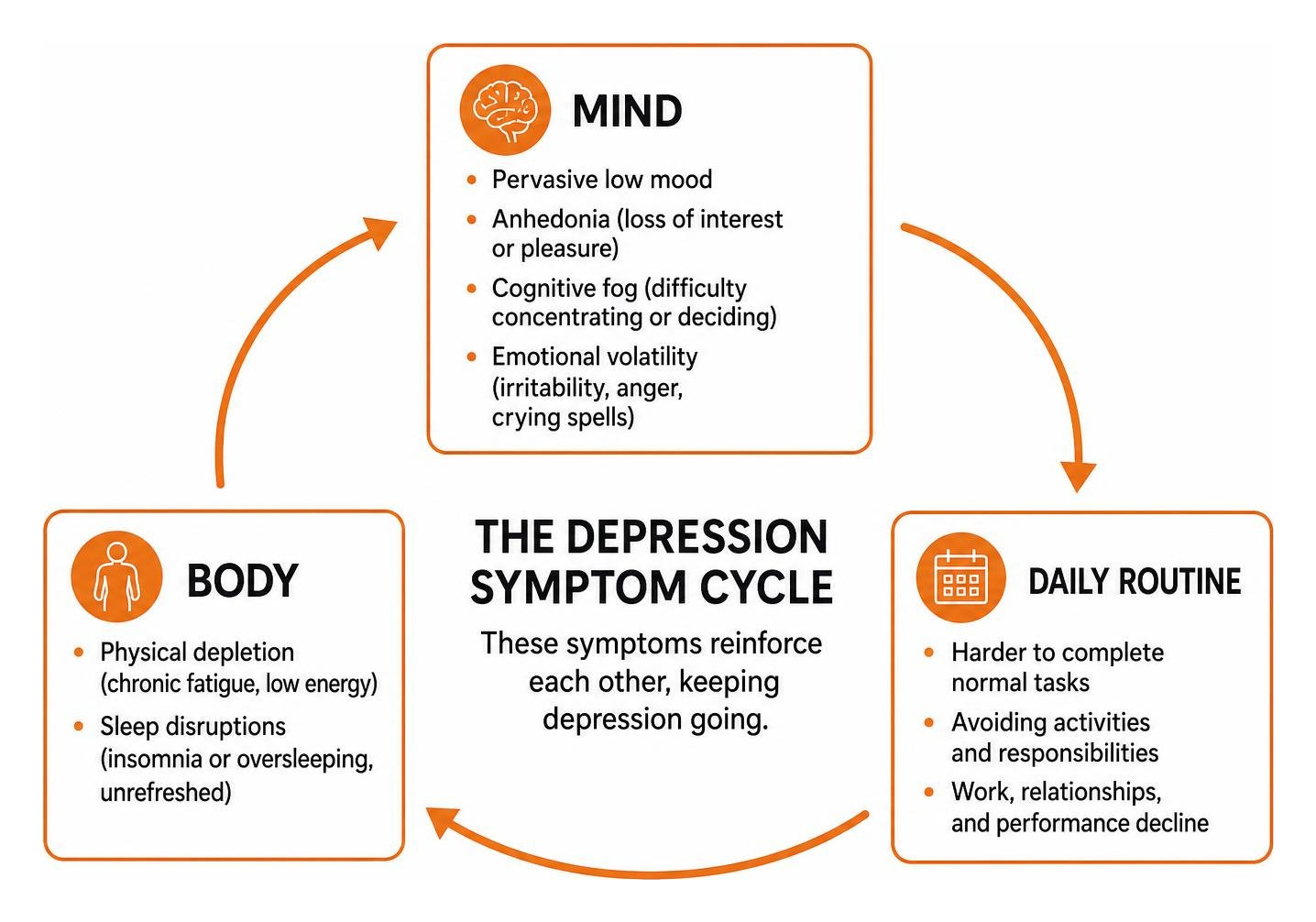
Recognizing the signs early ensures you can connect with professional care before emotional exhaustion takes a severe toll on your personal and professional life. Major indicators that warrant a clinical evaluation include:
- Pervasive low mood: A lingering sense of sadness, emptiness, or emotional numbness lasting most of the day, nearly every day, for two weeks or longer.
- Anhedonia: Losing interest or pleasure in hobbies, social gatherings, career milestones, or intimacy.
- Cognitive fog: Difficulty concentrating, making routine decisions, or remembering details at work or home.
- Physical depletion: Dealing with chronic fatigue and low energy that sleep does not seem to resolve.
- Emotional volatility: Experiencing heightened irritability, sudden anger, or uncontrollable crying spells without an apparent trigger.
- Sleep disruptions: Experiencing insomnia, early morning awakenings, or sleeping excessively yet waking up unrefreshed. The interconnected cycle of sleep issues and anxiety often feeds directly into worsening depressive episodes.
Identifying Overlapping Anxiety and Depressive Disorders
It is common for depression to exist alongside other mental health conditions. Many individuals who seek care discover that their low mood is intertwined with chronic worry, restlessness, or panic episodes. Recognizing the symptoms of co-occurring anxiety and depression helps clinicians formulate an accurate diagnostic picture.
When high-functioning anxiety masks underlying depression, you might maintain a demanding work schedule while quietly suffering from severe burnout and emotional detachment. A specialized evaluation uncovers these layered dynamics, ensuring treatment addresses both mood regulation and anxious distress simultaneously.
How to Choose the Right Depression Therapist Beverly Hills Residents Rely On
Finding the right clinician in a busy metropolitan area requires looking beyond a polished website. You need a licensed professional whose clinical approach, communication style, and scheduling align with your personal needs.
When researching a depression therapist Beverly Hills residents trust, consider these essential factors:
- Licensure and Credentials: Ensure the clinician holds an active California license as a Licensed Marriage and Family Therapist (LMFT), Licensed Clinical Social Worker (LCSW), Licensed Professional Clinical Counselor (LPCC), or Licensed Clinical Psychologist (PsyD/PhD).
- Specialization in Mood Disorders: Inquire specifically about their experience treating major depressive disorder, persistent depressive disorder (dysthymia), and treatment-resistant cases.
- Privacy and Discretion: Many individuals managing high-profile careers or demanding public roles require heightened confidentiality. Seeking discreet mental health support in Beverly Hills ensures your care remains completely private and tailored to your lifestyle.
- Insurance Navigation and Billing: Determine whether the practice is in-network with your insurance or provides itemized superbills for out-of-network reimbursement. Clear financial policies help you avoid unexpected expenses during care.
Qualities of a Top-Rated Depression Therapist Beverly Hills Specialists Recommend
The therapeutic alliance—the collaborative, trusting relationship between you and your provider—is one of the strongest predictors of successful therapy outcomes. Top clinicians cultivate this bond by offering:
- Active, Empathetic Listening: A safe, non-judgmental environment where your experiences are validated.
- Evidence-Based Methodologies: Utilizing proven modalities through evidence-based psychotherapy services rather than relying solely on unstructured conversation.
- Cultural Competence and Inclusivity: Understanding the unique social, cultural, and identity factors that influence mental health.
- Population-Specific Expertise: Dedicated support models, including specialized care for Transition Age Youth (TAY) ages 16–25 navigating the leap from adolescence into independent adulthood.
What to Expect When Meeting Your Depression Therapist Beverly Hills for the First Time
Your initial intake session serves as a foundation for your healing journey. During this meeting, your therapist will:
- Review your personal, medical, and psychological history.
- Discuss current symptoms, stressors, and lifestyle patterns.
- Identify personal goals for therapy (e.g., restoring energy, improving relationships, rebuilding daily routines).
- Outline a collaborative treatment plan, establishing session frequency and therapeutic approaches.
The first session is also an opportunity for you to interview the therapist. Pay attention to how comfortable you feel sharing your thoughts and whether their communication style resonates with you.
Evidence-Based Therapies and Integrative Care Approaches
Depression is a multifaceted condition that benefits from structured, researched treatment methods. Delivering comprehensive depression treatment strategies often involves combining talk therapy with lifestyle adjustments and biological interventions.
| Therapy Modality / Intervention | Primary Mechanism | Best Suited For |
|---|---|---|
| Cognitive Behavioral Therapy (CBT) | Identifies and reframes unhelpful thought patterns and negative behaviors. | Mild to severe depression, negative self-talk, comorbid anxiety. |
| Interpersonal Psychotherapy (IPT) | Focuses on resolving interpersonal disputes, role transitions, and grief. | Depression triggered by relationship conflicts, life changes, or loss. |
| Psychodynamic Therapy | Explores unconscious patterns and unresolved past experiences shaping present mood. | Chronic depressive patterns, deep-seated emotional conflicts. |
| Mindfulness-Based Cognitive Therapy | Combines cognitive tools with meditation and mindfulness practices. | Preventing depressive relapse and managing chronic stress. |
| Integrative Lifestyle Support | Optimizes sleep hygiene, physical movement, and balanced nutrition. | Complementing primary clinical interventions for holistic vitality. |
Integrating Psychiatric Medication and Advanced Interventions
For moderate to severe depression, combining psychotherapy with medical evaluation often yields the best outcomes. While therapy helps you develop cognitive and behavioral coping skills, psychiatric care addresses underlying neurochemical imbalances.
Our dedicated psychiatry services work in tandem with psychotherapists to provide comprehensive diagnostic evaluations and careful medication management. If standard lifestyle changes and talk therapy do not provide sufficient relief, finding the right antidepressant medications under medical supervision can help stabilize mood.
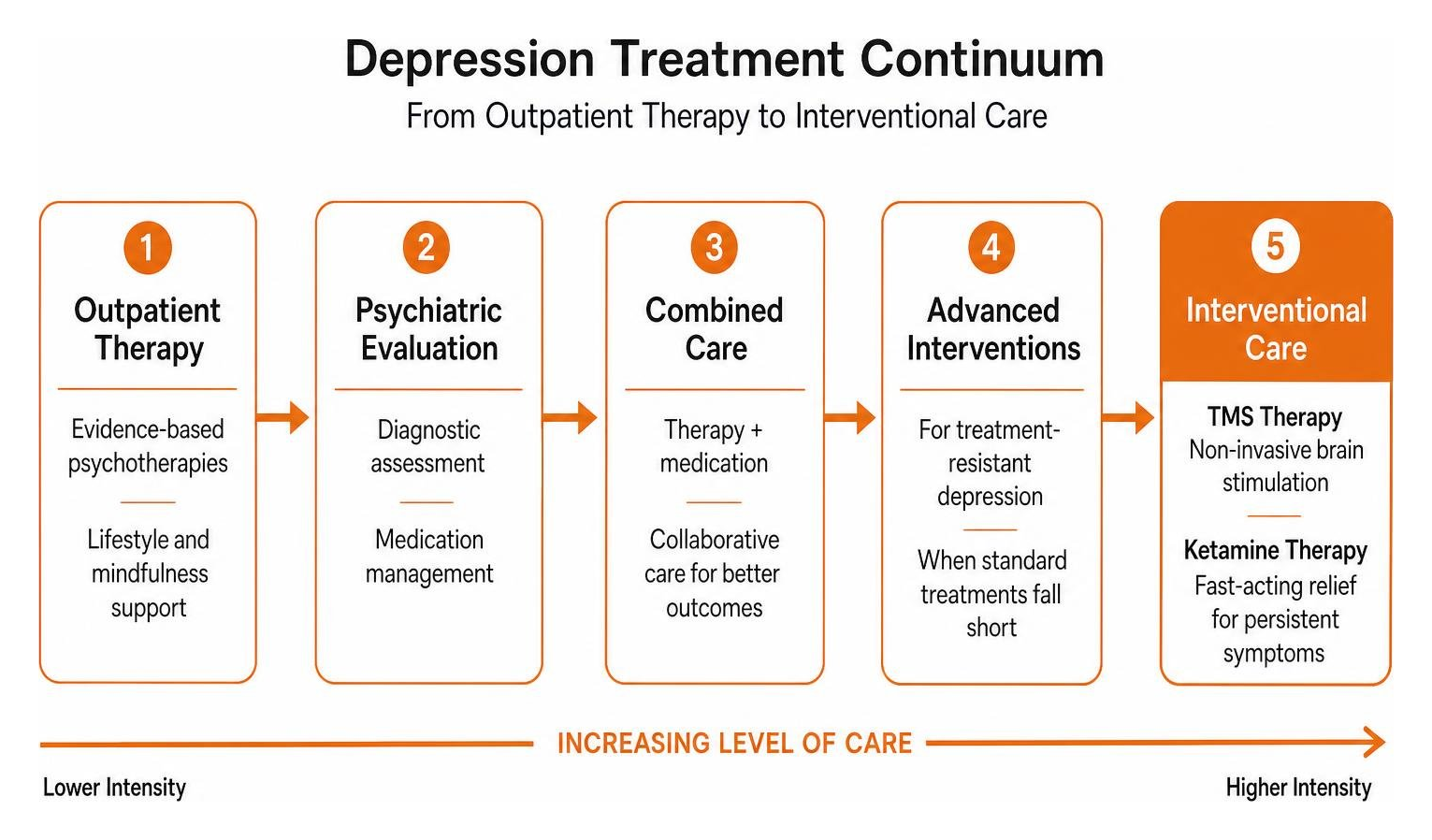
When traditional treatments fall short, individuals managing treatment-resistant depression have access to innovative, FDA-cleared alternatives:
- Transcranial Magnetic Stimulation (TMS): We offer innovative TMS therapy options that use non-invasive magnetic pulses to stimulate underactive brain regions responsible for mood regulation, requiring no downtime or systemic side effects.
- Ketamine Therapy: Clinical research has highlighted ketamine infusion protocols and related medical administration methods as fast-acting treatments for stubborn depressive symptoms that have not responded to multiple standard antidepressants.
Emergency Support and Crisis Mental Health Resources in Los Angeles County
If you or a loved one is experiencing a severe mental health crisis, overwhelming despair, or thoughts of self-harm, immediate professional intervention is available.
Emergency Mental Health Resources and Crisis Hotlines
- 988 Suicide & Crisis Lifeline: Call or text 988 anytime (24/7, free, confidential) to connect with a trained crisis counselor.
- Los Angeles County 24/7 Help Line: Call (800) 854-7771 for round-the-clock behavioral health screening, crisis assessment, and countywide referrals through the Los Angeles County Department of Mental Health.
- Substance Abuse Service Helpline (SASH): Call (844) 804-7500 for direct access to substance use disorder screenings and treatment programs.
- Veteran Line: Accessible via the LA County Help Line from 8:00 a.m. to 5:00 p.m., Monday through Friday, connecting military veterans to specialized mental health resources.
- Mental Health Urgent Care Centers (UCCs): LA County operates 24/7 walk-in urgent care facilities providing immediate crisis stabilization, rapid psychiatric assessment, and medication management across Los Angeles, Long Beach, Sylmar, Torrance, San Pedro, City of Industry, and Lancaster.
- The Trevor Project: Call (866) 488-7386 or text START to 678-678 for 24/7 crisis support tailored to LGBTQ+ youth.
- Crisis Text Line: Text HOME to 741741 to connect with a crisis volunteer 24/7.
Frequently Asked Questions About Depression Therapy in Beverly Hills
How much does seeing a private depression therapist in Beverly Hills typically cost?
Private therapy rates in Beverly Hills generally range from $175 to $350+ per 50-minute individual session, depending on the clinician’s experience, credentials, and specialty. Many outpatient practices accept major PPO insurance plans or provide detailed superbills that you can submit to your insurance provider for out-of-network reimbursement. Some clinics also provide sliding-scale arrangements based on household income.
How long does a typical course of depression therapy take to show results?
While every individual heals at their own pace, many clients notice meaningful improvements in mood, clarity, and daily coping skills within 8 to 12 weekly sessions of evidence-based therapy like CBT. Chronic or complex depression may require ongoing care over several months to reinforce long-term behavioral changes and prevent relapse.
What should I do if standard talk therapy is not relieving my depression symptoms?
If traditional talk therapy alone is not providing adequate relief after several weeks or months, consider adding a psychiatric evaluation to explore medication options. If standard medications also prove ineffective, discuss advanced interventional treatments—such as TMS therapy or ketamine protocols—with a multidisciplinary mental health team.
Conclusion
Overcoming depression is a gradual process, but you do not have to navigate it on your own. Connecting with a skilled therapist provides the structured guidance, evidence-based tools, and personal support necessary to regain your energy, emotional balance, and outlook on life.
At Oak Health Center, we believe in providing simplified, compassionate access to comprehensive outpatient mental health care. Whether you benefit from traditional psychotherapy, psychiatric medication management, or advanced interventional treatments, our multidisciplinary team is dedicated to supporting your long-term recovery. When you are ready to take the next step, schedule a consultation at the Beverly Hills clinic or explore our virtual care options available throughout California.