


What to Do When Depression Leaves You Completely Drained
If depression is making you tired, start small: schedule a medical and mental health check-in, protect a regular sleep and wake time, and choose one manageable activity each day, such as a 10-minute walk or shower. Exhaustion that does not improve with rest is a real depression symptom, not a personal failure. Treatment can help, but it is also important to rule out other causes of severe fatigue, including sleep apnea, anemia, thyroid problems, medication effects, and vitamin deficiencies.
Depression can disrupt restorative sleep, stress-hormone regulation, focus, and motivation. That means you may sleep for eight or more hours and still wake up depleted. Even routine tasks can feel unusually hard because your brain is using more effort to plan, decide, and get started.
I am Andrew Brewer, Practice Manager at Oak Health Center, where I work alongside clinical teams supporting programs in mental health, sleep, and depression care. When someone says, “depression is making me tired,” I understand that practical, coordinated support can make it easier to identify what is driving the exhaustion and take the next workable step.
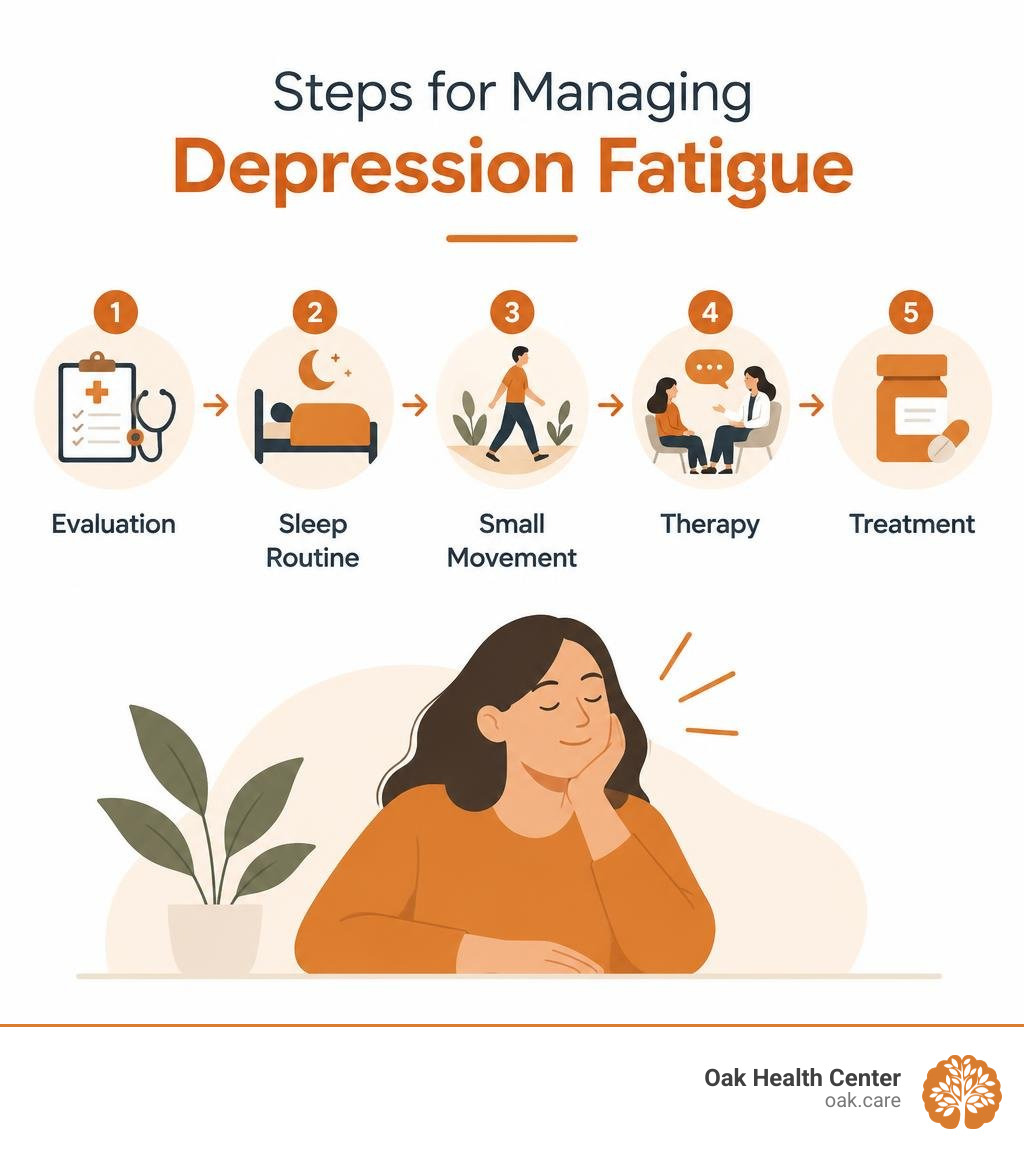
Why Depression Is Making Me Tired: The Science Behind the Drain
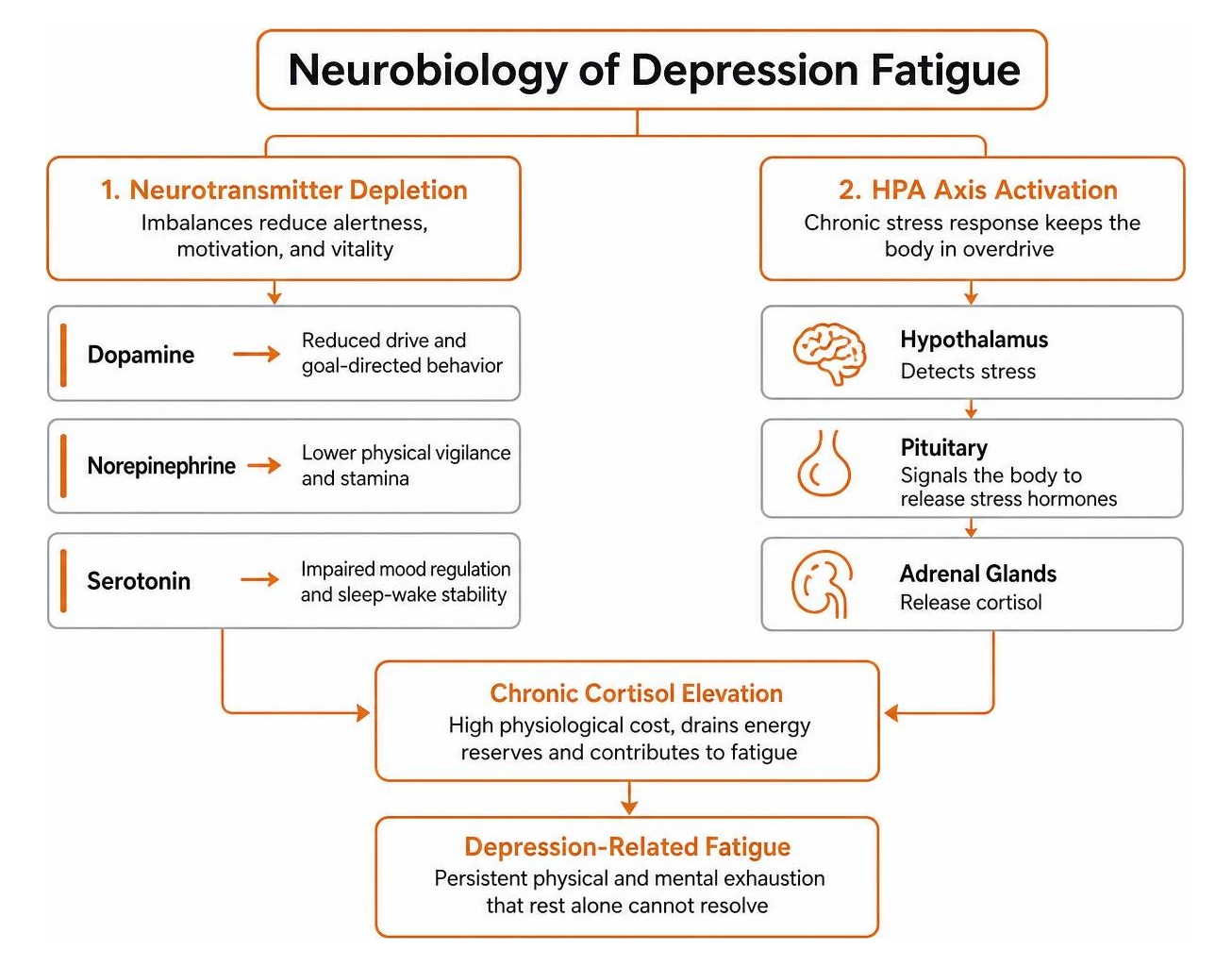
When living with clinical depression, fatigue is not a matter of simply needing an extra cup of coffee. It represents a systemic, neurobiological energy deficit.
Depression alters the delicate balance of key neurotransmitters responsible for alertness, motivation, and vitality. Dopamine—the chemical messenger that drives our reward and goal-directed behavior—becomes depleted or dysregulated. Without adequate dopamine signaling, your brain struggles to generate the drive needed to begin even basic physical movements. Simultaneously, imbalances in norepinephrine reduce physical vigilance and stamina, while disrupted serotonin pathways impair emotional regulation and sleep-wake stability.
At the same time, depression places severe stress on the hypothalamic-pituitary-adrenal (HPA) axis. This neuroendocrine system controls our physiological response to stress. In a depressed state, the HPA axis can become chronically overactive, flooding the body with elevated cortisol levels over prolonged periods. This biochemical state keeps the body idling at a high physiological cost, burning through cellular energy reserves while you sit still on the sofa. Research consistently highlights that depression and fatigue are biologically entwined, producing a state of physical depletion that cannot be resolved through willpower alone.
How Disrupted Sleep Architecture and Inflammation Drain Energy
Up to 90% of people diagnosed with major depressive disorder report significant sleep disturbances. However, the connection between sleep and depression goes deeper than simple insomnia. Depression directly alters your sleep architecture—the structural progression through the distinct stages of rest.
In healthy sleep, the brain cycles regularly through non-rapid eye movement (NREM) stages, including deep slow-wave sleep, and rapid eye movement (REM) sleep. Slow-wave sleep is the critical phase during which tissue repair occurs, growth hormones are released, and the body physically restores itself. In depression, this restorative slow-wave sleep is severely compressed and fragmented, while REM sleep is often shifted earlier in the night and punctuated by micro-arousals. You might spend ten hours in bed, yet spend very little time in the restorative states that replenish your body.
Furthermore, this disturbed sleep triggers systemic inflammation. Clinical studies show elevated levels of inflammatory cytokines, such as interleukin-6 (IL-6) and C-reactive protein (CRP), in individuals experiencing depressive exhaustion. These circulating inflammatory markers signal the brain to induce “sickness behavior”—a biological drive to withdraw, rest, and conserve energy. Understanding the profound impact of sleep disruption on mental health clarifies why you feel physically sick and worn down, and exploring the interconnection of anxiety, depression, and poor sleep illustrates how these issues continuously amplify one another.
The Effort Paradox: Why Simple Tasks Exhaust You When Depression Is Making Me Tired

Have you ever wondered why brushing your teeth, answering an email, or unloading the dishwasher feels like climbing Mount Everest? In psychiatry, this is known as the effort paradox.
Neuroimaging studies reveal that the depressed brain recruits significantly more neural resources to execute routine cognitive and motor actions than a healthy brain. When executive functioning within the prefrontal cortex is impaired, routine automated micro-decisions become manual, high-friction computations.
Every task demands excessive cognitive strain:
- Initiation: Overcoming avolition (the severe lack of motivation to initiate actions).
- Execution: Forcing the prefrontal cortex to maintain continuous focus despite cognitive slowing.
- Reward Deficit: Completing the task without the expected dopamine release, leaving the brain unrewarded for its massive energy expenditure.
This makes routine daily life mentally and physically draining. You are not lazy; your brain is simply burning exponentially more fuel to achieve standard baseline outputs.
Differentiating Depression Fatigue from Normal Tiredness and ADHD
Recognizing the specific nature of your exhaustion is essential for getting the right care. Normal tiredness, depression fatigue, and ADHD-related exhaustion stem from different root causes and require different management strategies.
| Feature | Normal Tiredness | Depressive Fatigue | ADHD Fatigue / Burnout |
|---|---|---|---|
| Primary Cause | Physical exertion, acute lack of sleep, or stress | Neurochemical dysregulation, HPA overdrive, altered sleep architecture | Dopamine deficiency, chronic understimulation, executive overload |
| Response to Rest | Resolves after 1–2 nights of restorative sleep | Persists regardless of sleep duration (rest-resistant) | Resolves with engaging stimulation, novelty, or nervous system rest |
| Physical Sensation | Localized muscle fatigue, heavy eyelids | Whole-body leaden heaviness (leaden paralysis), whole-system draining | Mental restlessness, jittery exhaustion, paralysis when overwhelmed |
| Mood Connection | Mood remains intact; look forward to relaxing | Pervasive emotional numbness, anhedonia, hopelessness | Frustration, shame around task avoidance, fluctuating hyperfocus |
| Daily Pattern | Builds predictably toward the end of the day | Often worse upon waking in the morning | Fluctuates wildly based on environmental stimulation and interest |
Chronic Fatigue Without Sadness: Recognizing Somatic Depression
It is entirely possible to experience severe clinical depression without overtly feeling sad or tearful. In outpatient primary care, the vast majority of patients with depression initially present with physical complaints—chief among them chronic, unexplained fatigue, widespread body aches, and unrefreshing sleep.
This presentation is often referred to as masked or somatic depression. Because these individuals do not express overt emotional grief, their symptoms are frequently misattributed to obscure physical ailments, leaving the underlying neurochemical disorder untreated for years. If you are experiencing unexplained exhaustion, recognizing co-occurring anxiety and depression symptoms is an important step toward finding relief. Patients in Southern California seeking thorough diagnostic evaluations can also consult medical providers or specialized behavioral health clinicians to ensure somatic complaints receive appropriate medical and psychiatric attention.
Depressive Exhaustion vs. ADHD Fatigue
Distinguishing depression fatigue from neurodivergent burnout is another common clinical challenge. ADHD fatigue is driven primarily by executive dysfunction and dopamine deficits related to stimulation levels. When an individual with ADHD faces routine or understimulating tasks, their nervous system can experience executive paralysis—a sudden, heavy mental shutdown.
However, an individual with ADHD can often rapidly regain energy when presented with high-interest, novel, or urgent activities. In contrast, depressive exhaustion is pervasive: even enjoyable hobbies, creative outlets, and personal passions feel unappealing and physically draining. Reviewing clinical resources on identifying adult ADHD symptoms can help untangle whether your exhaustion stems from attention dysregulation, depressive avolition, or both.
Breaking the Vicious Cycle: Evidence-Based Ways to Reclaim Energy
Depressive fatigue creates a powerful self-reinforcing loop:
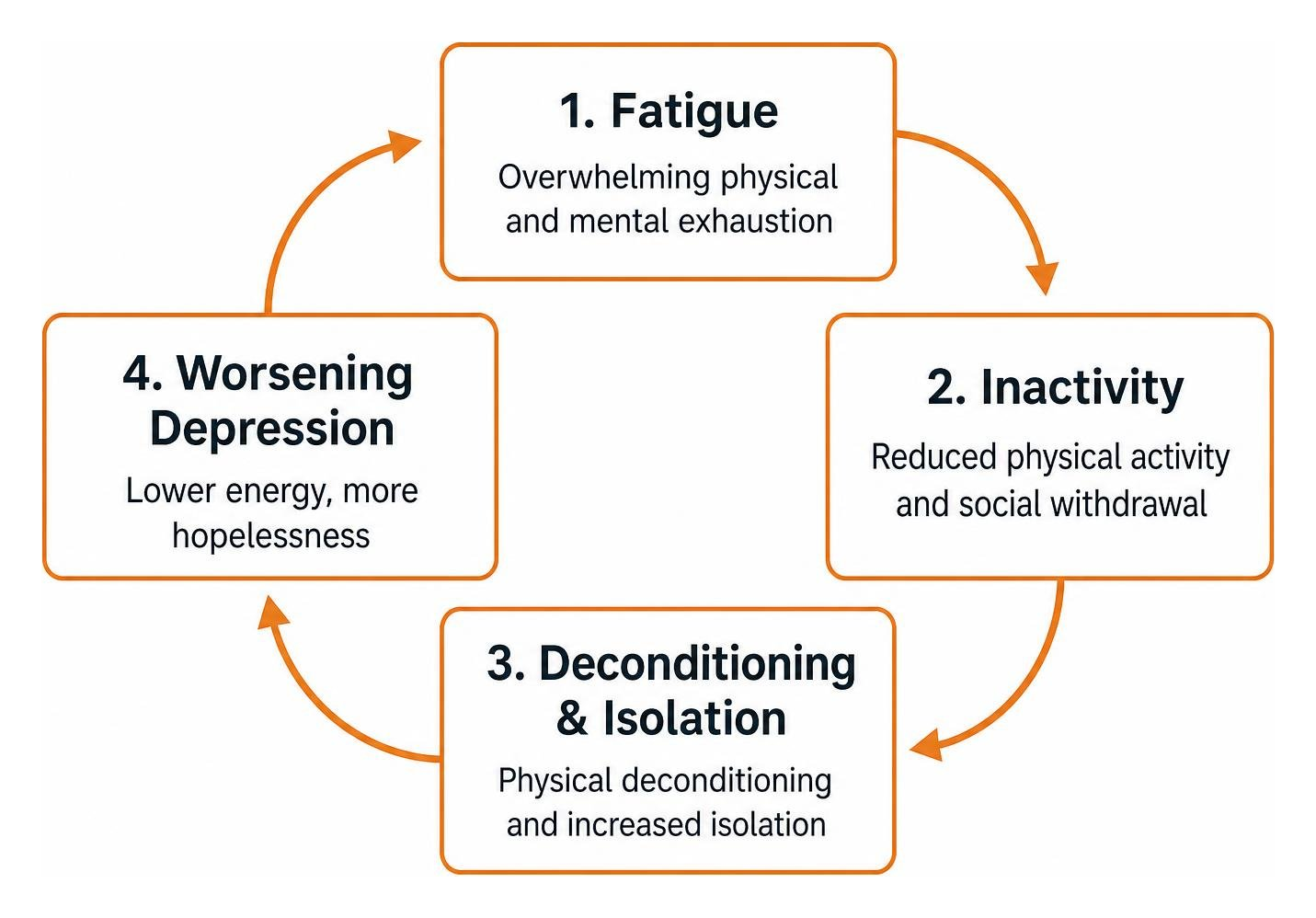
When you feel exhausted, you naturally reduce your physical activity and withdraw socially. Over time, sedentary inertia causes physical deconditioning, decreases cardiovascular efficiency, and increases rumination. This lowers your energy levels further, deepening the depressive state.
To break this cycle, we must apply targeted, evidence-based behavioral and medical strategies.
Evidence-Based Daily Habits When Depression Is Making Me Tired
Rebuilding your energy requires strategic pacing rather than dramatic overhauls.
- Commit to Micro-Movement: Research confirms that exercise is significantly effective for reducing depressive symptoms, demonstrating effect sizes comparable to standard antidepressants in clinical comparisons. If a 30-minute workout feels impossible, start with a 5-minute walk. Low-to-moderate aerobic exercise stimulates endorphins, enhances mitochondrial energy production, and increases brain-derived neurotrophic factor (BDNF).
- Anchor Your Circadian Rhythm: Get 10 to 15 minutes of direct morning sunlight within an hour of waking. Morning light exposure suppresses daytime melatonin production, resets the master circadian clock in the hypothalamus, and improves nighttime sleep quality.
- Practice Pacing Over Pushing: Avoid the “boom-and-bust” cycle where you overexert yourself on a slightly better day, only to crash for the rest of the week. Break daily responsibilities into small, non-negotiable steps.
- Implement Cognitive Restructuring: Negative automated thoughts (“I’m too tired to do anything, so why bother?”) reinforce physical lethargy. Utilizing evidence-based CBT strategies and Cognitive Behavioral Therapy for Insomnia (CBT-I) allows you to reframe cognitive distortions and establish healthier sleep behaviors.
Navigating Medications and Advanced Depression Therapies
When lifestyle modifications are not enough to lift severe fatigue, psychiatric interventions can help restore biological balance:
- Activating Antidepressants: While traditional SSRIs can sometimes cause residual daytime sedation, medications that target dopamine and norepinephrine—such as bupropion or certain SNRIs—are often selected specifically for their energizing profiles. Collaborating with a provider on finding the right antidepressant medication can help minimize sedating side effects.
- Transcranial Magnetic Stimulation (TMS): Depression-related fatigue often persists as a treatment-resistant symptom even after mood begins to lift. For individuals who do not respond fully to medications, innovative TMS therapy for depression offers a non-invasive, FDA-cleared solution that uses magnetic pulses to stimulate underactive neural circuits in the prefrontal cortex, directly targeting fatigue and apathy.
- Ketamine Infusion Therapy: For rapid, robust relief from severe, lingering depressive exhaustion, exploring ketamine infusion therapy for treatment resistance provides another evidence-backed clinical option that works via glutamate pathways to support rapid neuroplasticity.
When to Seek Professional Support for Persistent Fatigue
While mild fatigue can happen during stressful periods, severe depressive exhaustion requires professional medical care. You should seek an immediate clinical evaluation if you experience any of the following:
- Exhaustion that severely interferes with your ability to maintain employment, personal hygiene, or basic daily functioning.
- Severe fatigue accompanied by feelings of worthlessness, hopelessness, or thoughts of self-harm.
- Unexplained physical symptoms, such as sudden weight loss or gain, heart palpitations, or chronic pain.
- Fatigue that has persisted for more than two consecutive weeks despite adequate time in bed.
A thorough medical workup is essential to rule out contributing physical conditions. Your medical provider should run complete blood counts, comprehensive metabolic panels, thyroid panels (TSH, Free T3/T4), iron and ferritin levels, and vitamin D and B12 assessments. If your physical lab markers return clear yet your exhaustion remains debilitating, knowing when to consult a psychiatrist is crucial to establish a specialized mental health treatment plan.
Frequently Asked Questions About Depression and Fatigue
Why do antidepressants sometimes make fatigue worse before it improves?
When starting or increasing the dose of an antidepressant (especially SSRIs), your brain undergoes an initial adaptation period. The sudden surge in serotonin can temporarily cause receptor downregulation and downstream reductions in dopamine signaling, leading to transient daytime sedation, dizziness, or a feeling of heaviness. This side effect typically subsides within 2 to 4 weeks as the neural circuitry adapts. The full therapeutic benefit on energy and mood usually stabilizes within 4 to 6 weeks. Always consult your prescribing clinician before making any changes to your medication routine.
Can depression fatigue improve if I only fix my sleep schedule?
While establishing healthy sleep habits is an important pillar of recovery, fixing sleep hygiene alone rarely resolves depression-related fatigue completely. Because depressive exhaustion involves neurochemical imbalances, HPA-axis dysregulation, and neuroinflammation, treating the underlying depressive illness directly through therapy, medical interventions, and lifestyle changes is necessary to fully restore daytime vitality.
How long does it take for energy levels to return after starting treatment?
Physical energy and cognitive stamina often lag behind mood improvements. It is common for emotional symptoms (like crying spells or acute sadness) to lift a few weeks before physical energy fully rebounds. Typically, patients report noticeable improvements in vitality within 4 to 8 weeks of beginning effective medication or psychotherapy, with continued gains as behavioral momentum and physical conditioning build over time.
Conclusion
Carrying the weight of depressive exhaustion is an isolating experience, but it is important to remember that this fatigue is a biological reality, not a character flaw. By addressing neurotransmitter regulation, restoring sleep architecture, and applying consistent, gentle daily habits, you can steadily rebuild your energy.
If you are ready for a personalized recovery roadmap, our compassionate team at Oak Health Center is here to support you. We provide accessible, comprehensive psychiatric evaluations, therapy, and advanced interventions across our Southern California clinics in Beverly Hills, Fullerton, Laguna Hills, Rancho Cucamonga, and South Pasadena, alongside statewide virtual telehealth services throughout California.
Discover proven steps to overcome depression-related fatigue and schedule your initial consultation with our team today to take the next workable step toward feeling restored.