


Finding Marriage and Family Therapy in Beverly Hills
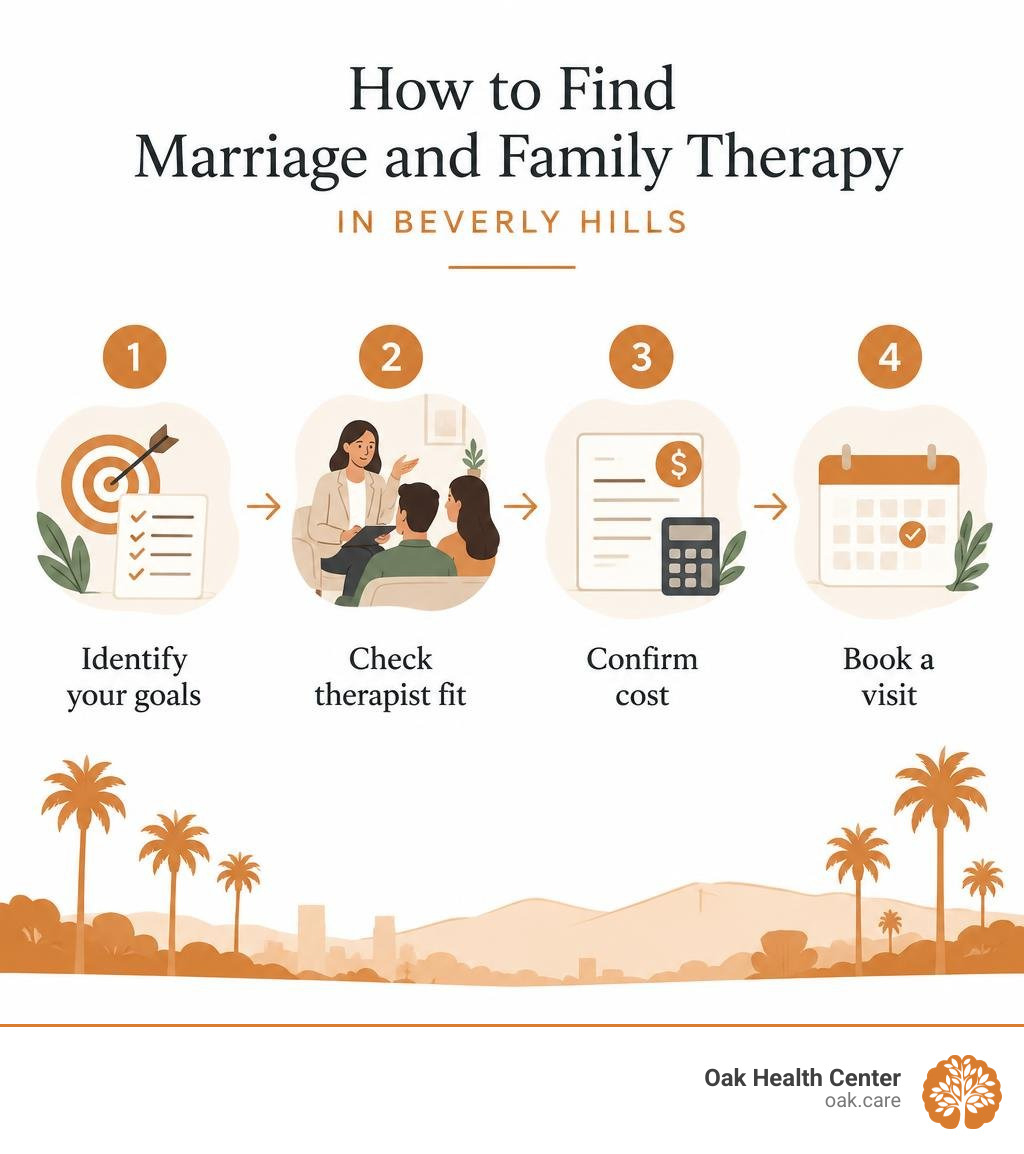
For Beverly Hills marriage and family therapy, start with a California-licensed therapist who works with couples or families. Ask whether they have experience with your main concern, such as communication, infidelity, parenting, or separation. Before booking, check the session format, cost, and insurance coverage.
The right fit matters, too. If faith or family traditions shape your relationship, ask how the therapist includes those values in care.
I’m Andrew Brewer, practice manager at Oak Health Center, where I help clinical and operations teams make mental health care easier to access. That work informs this guide to Beverly Hills marriage and family therapy and the questions worth asking as you look for support.
Discover more about beverly hills marriage and family therapy:
Understanding Beverly Hills Marriage and Family Therapy
Relationship struggles rarely happen in a vacuum. When one partner feels overwhelmed or disconnected, the entire household experiences the ripple effect. Marriage and family therapy (MFT) approaches mental health through a systemic lens, meaning we view problems not as isolated individual flaws, but as dynamics operating within an interconnected relationship web.
Through comprehensive outpatient psychotherapy, licensed marriage and family therapists help couples and families evaluate their interaction patterns, de-escalate chronic conflict, and rebuild trust. Rather than simply asking what is wrong with one person, systemic therapy explores how partners communicate, resolve disagreements, and respond to emotional vulnerability.
Integrating mind-body evidence-based therapy models allows clinicians to address both relational habits and underlying cognitive processes. When partners learn how their thoughts influence emotional reactions during high-stress conversations, they can shift away from defensive cycles and create lasting relationship health.
Common Relationship and Family Challenges Addressed
Every partnership experiences friction, but certain obstacles can destabilize even the strongest foundations. Couples and families seek professional counseling for a variety of complex challenges:
- Communication Breakdowns: Chronic misunderstandings, frequent escalation, emotional withdrawal (stonewalling), or constant criticism.
- Infidelity and Betrayal: Navigating the painful aftermath of physical or emotional affairs and establishing a structured path toward rebuilding transparency and trust.
- Financial Stress and Disagreements: Reconciling differing spending styles, managing financial pressures, and creating shared financial goals.
- Blended Family Dynamics: Resolving co-parenting friction, boundary disputes, and healing after divorce or family transitions.
- Parenting Alignment: Developing consistent behavioral strategies and parenting boundaries for children and adolescents across developmental milestones.
- Trauma and Life Transitions: Coping with external stressors such as career changes, grief, chronic illness, or unhealed past emotional injuries.
Who Benefits Most from Beverly Hills Marriage and Family Therapy?
Systemic therapy serves people across diverse relationship structures and life stages. Married couples seeking to reignite intimacy benefit alongside premarital partners who want to establish proactive communication agreements before entering lifelong commitments.
Therapy also provides vital support for multi-generational households navigating boundary negotiations, as well as men seeking emotional wellness and therapy to develop healthy emotional expression away from societal pressures. Whether you are facing a severe relationship crisis or simply want to fine-tune your connection, systemic therapy offers structured, objective guidance.
Evidence-Based Modalities Used in Relationship Counseling

High-quality marriage and family counseling relies on proven psychological frameworks to produce lasting change. Clinical scholarship, such as the curated Grad Center MFT bibliography, illustrates how systemic research continues to refine clinical interventions for modern families.
Licensed therapists frequently utilize several core modalities:
- The Gottman Method: Built on decades of research by Drs. John and Julie Gottman, this approach helps couples disarm destructive conflict patterns (such as criticism, contempt, defensiveness, and stonewalling), enhance fondness and admiration, and deepen shared meaning.
- Emotionally Focused Therapy (EFT): Grounded in adult attachment theory, EFT helps partners identify underlying emotional vulnerabilities and insecure attachment patterns, transforming reactive arguments into moments of bonding.
- Cognitive-Behavioral Couples Therapy (CBCT): Examines how automatic thoughts and cognitive distortions negatively color relationship interactions, teaching partners practical reframing techniques and mutual problem-solving skills.
- Structural and Strategic Family Therapy: Analyzes family hierarchies, alliances, and boundaries to establish healthy parental leadership and clear expectations.
| Therapy Modality | Primary Focus | Best Suited For | Core Mechanism |
|---|---|---|---|
| Gottman Method | Communication skills, managing conflict, building friendship | Couples facing chronic gridlock, communication breakdown, or recovering from affairs | Disarming the “Four Horsemen,” emotional attunement exercises |
| Emotionally Focused Therapy (EFT) | Attachment bonds and emotional accessibility | Distant, disconnected, or highly reactive couples | Reorganizing emotional responses to foster secure attachment bonds |
| Cognitive-Behavioral Couples Therapy (CBCT) | Thought patterns, cognitive distortions, behavioral reactions | Couples dealing with stress, unhelpful assumptions, and conflict loops | Cognitive restructuring and targeted behavioral modification |
| Structural Family Therapy | Hierarchies, subsystems, and family boundaries | Blended families, co-parenting disputes, parent-child conflict | Adjusting structural rules to restore balance and clear boundaries |
Integrating Brain Health and Cognitive Approaches
Modern systemic therapy increasingly pairs traditional dialogue with neurological and cognitive insights. When partners enter high-stakes arguments, their nervous systems often enter “fight-or-flight” mode, causing physiological flooding that impairs rational problem-solving.
By incorporating strategies for managing stress and anxiety through psychotherapy, clinicians teach clients somatic grounding, emotional regulation, and cognitive reframing. Understanding how brain biology drives stress responses helps couples recognize when to pause heated discussions before destructive emotional patterns take over.
Navigating Cultural Humility and Faith-Based Approaches
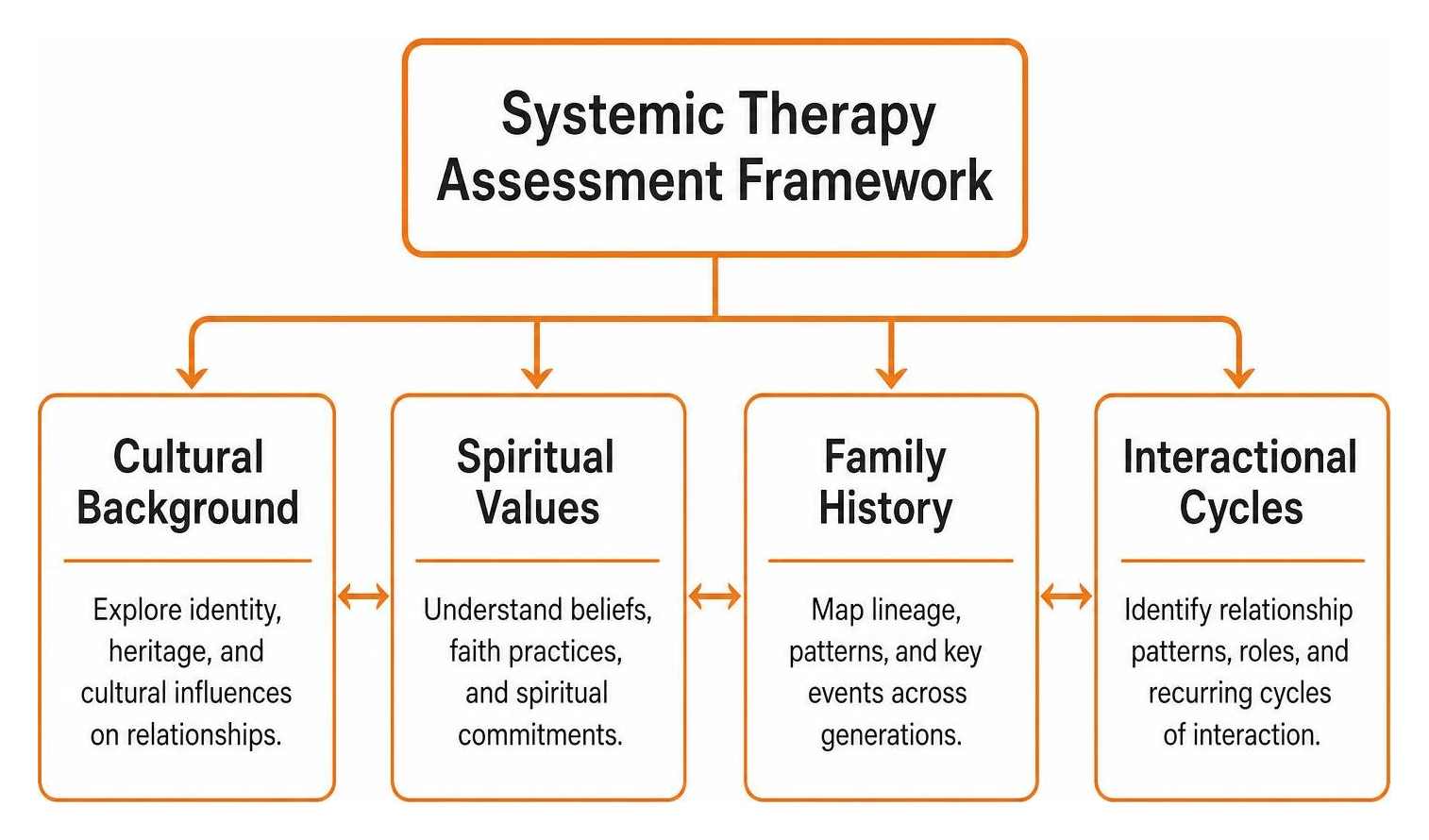
Effective relationship therapy requires deep respect for each client’s unique cultural background, heritage, and values. Cultural humility ensures that clinicians never make assumptions, instead remaining curious and open about how identity shapes relationship expectations.
Clinicians draw upon resources like the published DEI research in family therapy from the American Association for Marriage and Family Therapy (AAMFT) to implement culturally responsive, LGBTQ+ affirmative practices. Tools such as cultural genograms and spiritual ecomaps allow therapists to map family lineages, religious commitments, and community influences, ensuring therapy respects your authentic worldview.
Faith-Informed and Christian Marriage Counseling
For many couples, personal faith is the cornerstone of their marriage. When relationship difficulties emerge, incorporating spiritual values can provide comfort, moral grounding, and mutual purpose.
Faith-informed counseling allows couples to explore forgiveness, moral accountability, and reconciliation within the context of their spiritual traditions. Clinicians can integrate scripture, prayer, or faith-based coping mechanisms into evidence-based clinical protocols when requested, aligning psychological tools with your spiritual beliefs.
Practical Considerations: Formats, Costs, and Access

Finding the right format for counseling depends on your schedules, location, and specific preferences. Today’s clients can choose between traditional face-to-face sessions at a clinic or secure virtual appointments from home. Deciding between teletherapy versus in-person sessions often comes down to balancing commute times and schedule flexibility with the unique focus of an in-office setting.
Financial accessibility is another key factor. While specialized couples therapy requires a financial commitment, many providers accept insurance plans, offer superbills for out-of-network reimbursement, or provide sliding-scale arrangements based on income. Evaluating the cost of care alongside the long-term benefits to your well-being helps clarify why investing in mental health support pays lifelong dividends for your partnership.
Selecting the Right Provider for Beverly Hills Marriage and Family Therapy
Choosing the right clinician sets the stage for meaningful progress. When evaluating providers, keep these steps in mind:
- Verify Licensing and Specialties: Ensure your therapist is a Licensed Marriage and Family Therapist (LMFT), Licensed Clinical Social Worker (LCSW), or Licensed Professional Clinical Counselor (LPCC) with specialized training in relational modalities like Gottman or EFT.
- Evaluate Cultural and Values Alignment: Ask prospective therapists how they integrate cultural backgrounds, spiritual preferences, or specific family dynamics into their treatment plans.
- Understand the Intake Process: Knowing what to expect during an initial consultation helps ease any initial anxiety. A thorough intake covers relationship history, individual mental health backgrounds, and concrete goal setting.
- Assess the Therapeutic Alliance: The strongest predictor of successful therapy is feeling understood, respected, and supported by your therapist without judgment.
Frequently Asked Questions about Marriage and Family Therapy
How long does marriage and family therapy typically take to show results?
The timeline for marriage and family therapy varies based on the complexity of your concerns and your commitment to practicing skills between sessions. Many couples notice improvements in communication and de-escalation within 8 to 12 weekly sessions. Deep-seated trauma or complex infidelity recovery may require 6 to 12 months of structured therapeutic support.
Can marriage counseling help if only one partner is willing to attend?
Yes. While working with both partners is ideal, individual relationship counseling can still create meaningful progress. Because relationships operate as systems, when one partner learns healthier communication, sets firm boundaries, and stops engaging in reactive cycles, the entire dynamic of the partnership shifts.
What is the difference between individual therapy and family therapy?
Individual therapy focuses on one person’s internal psychological state, emotional history, and personal growth goals. Marriage and family therapy focuses on relational systems—evaluating communication loops, interactive roles, and relationship boundaries. The relationship itself is treated as the client.
Conclusion
Healthy, enduring relationships do not happen by accident; they are built through intentional communication, mutual vulnerability, and consistent repair. Whether you are navigating a painful breach of trust, adjusting to a blended family, or seeking to revitalize emotional intimacy, professional marriage and family counseling offers the tools you need to heal and grow.
At Oak Health Center, we provide comprehensive, compassionate mental healthcare at our clinic locations across Southern California—including Beverly Hills, Fullerton, Laguna Hills, Rancho Cucamonga, and South Pasadena—alongside secure statewide virtual services. If you are ready to strengthen your partnership and family dynamics, connect with our Beverly Hills team today to schedule a confidential consultation.