

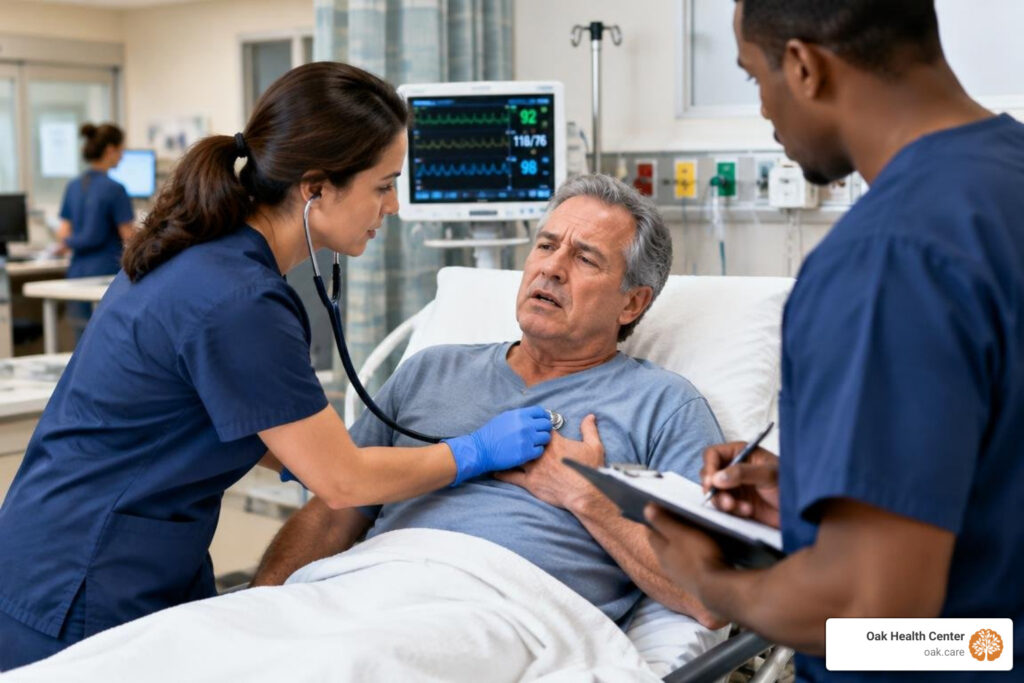
What Anxiety Attack Chest Pain Feels Like: Key Sensations and Causes
Anxiety attack chest pain often feels like a sharp, stabbing, or localized tight sensation in the chest that can peak within 10 minutes and rarely radiates to the arm or jaw. It may also feel like muscle twitches, a dull ache across the sternum, or a fluttering sensation between the ribs. When your autonomic nervous system perceives a threat, it initiates a sudden surge of catecholamines, flooding your bloodstream with adrenaline and cortisol. This sudden biological shift diverts resources toward immediate survival. For many people, this acute physiological arousal manifests directly in the thorax. In fact, between 22% and over 70% of panic attacks involve acute chest discomfort. Clinical research on panic disorder and chest pain mechanisms shows that this discomfort stems from a complex mix of musculoskeletal strain, rapid respiratory changes, altered esophageal motility, and transient vascular reactions.
Recognizing these physical reactions begins with reviewing an essential checklist for identifying anxiety attack symptoms. Understanding the physiological roots of these physical sensations helps demystify why an emotional trigger can produce such intense physical distress.
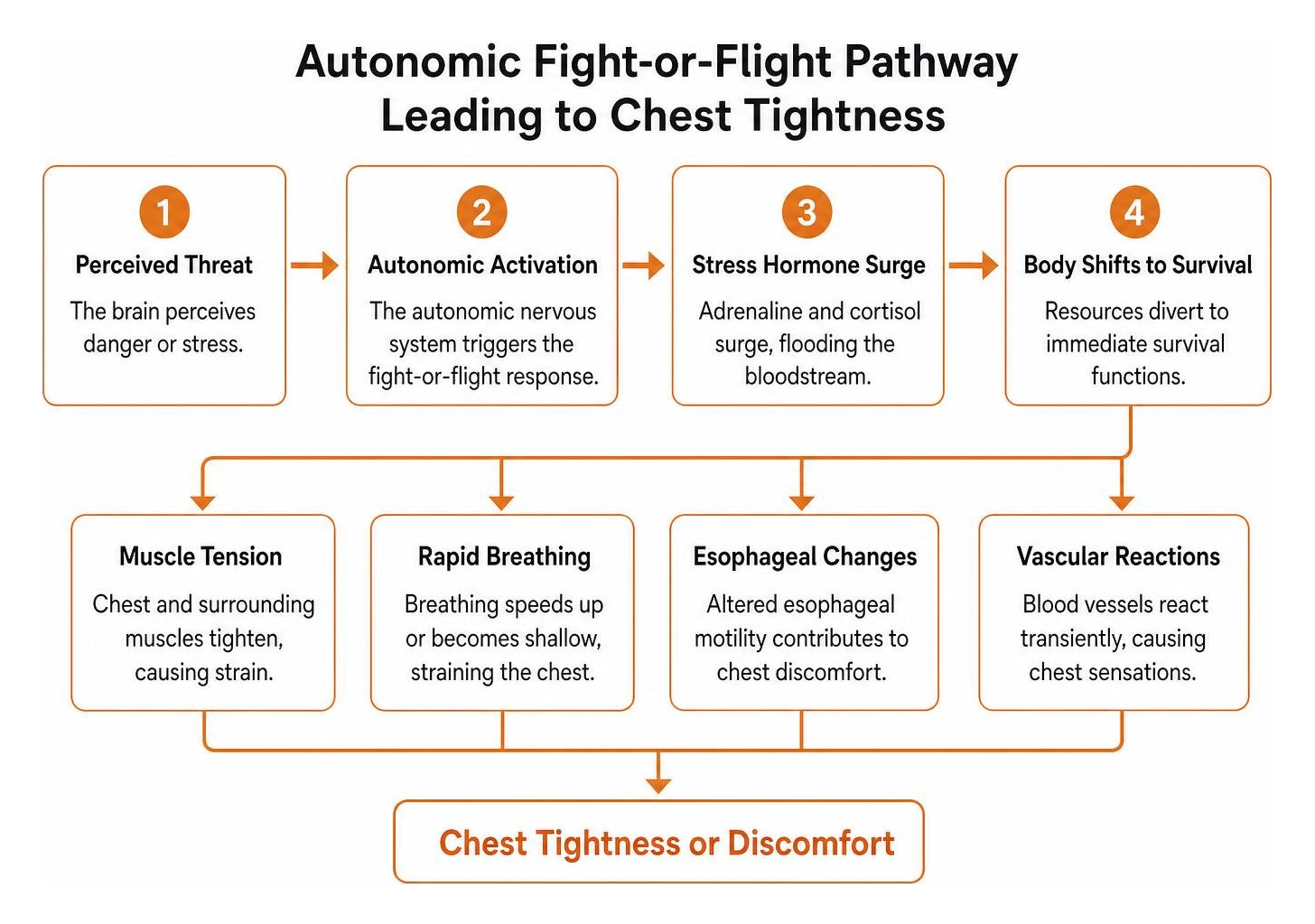
Common Sensations and Characteristics of Anxiety Attack Chest Pain
Unlike typical cardiac events, chest pain from panic or severe stress often presents with distinctive physical traits:
- Sharp or Stabbing Discomfort: Many people report a sharp, needle-like poke or localized stabbing sensation situated over a specific rib or right under the breastbone.
- Localized Sternal Aching: Chronic anxiety can cause a dull, bruised ache across the sternum, largely driven by persistent muscle guarding.
- Intercostal Muscle Twitches: The small muscles between your ribs can spasm due to adrenaline surges, creating fluttering or twitching sensations.
- Non-Radiating Nature: While pain can feel severe, anxiety-induced chest discomfort frequently remains confined to a single, localized spot rather than radiating across the torso.
- Air Hunger and Shallow Breathing: Chest tightness often pairs with a sensation of being unable to take a satisfying, full breath, leading to rapid upper-chest respiration.
Physiological Triggers: How Panic Affects the Body and Heart
When panic strikes, several involuntary mechanisms happen simultaneously:
- Hyperventilation and Hypocapnia: Rapid, shallow breathing expels carbon dioxide faster than your tissues produce it. This drop in blood carbon dioxide levels (hypocapnia) alters blood pH, leading to peripheral vasoconstriction, lightheadedness, tingling in the fingers, and muscle spasms across the chest wall.
- Sympathetic Hyperactivity: Surges in adrenaline accelerate heart rate and raise systemic blood pressure, increasing myocardial oxygen demand and causing palpitations that feel uncomfortably forceful.
- Coronary Artery Spasms and Microvascular Changes: In some cases, severe stress can trigger temporary vascular tightening. Sympathetic stimulation can cause temporary smooth-muscle contractions in coronary vessels, even without arterial blockage.
- Esophageal Dysmotility: Stress hormones frequently disrupt normal digestive contractions, sparking esophageal spasms or acid reflux that closely mimic heart-related pain.
Exploring our guide to recognizing severe anxiety manifestations can help you understand how these diverse physical pathways interact during high-stress periods.
Anxiety vs. Heart Attack: How to Differentiate the Symptoms
Differentiating between an acute panic episode and a myocardial infarction is a common diagnostic challenge. Approximately 50% of emergency department visits for acute chest pain stem from noncardiac causes, and roughly 18% to 25% of all emergency chest pain patients meet the diagnostic criteria for panic disorder. Furthermore, among individuals who undergo medical evaluations and learn their heart is healthy, an estimated 30% to 40% discover that anxiety was the root cause of their symptoms.
While the overlap can feel alarming, healthcare providers use specific diagnostic markers to distinguish between the two:
| Symptom Feature | Anxiety / Panic Attack Chest Pain | Cardiac Event (Heart Attack / Angina) |
|---|---|---|
| Pain Quality | Sharp, stabbing, shooting, or localized muscle twitching. | Dull, heavy, squeezing, crushing pressure, or severe fullness. |
| Location | Localized over a specific rib, sternal area, or shifting across the chest. | Central substernal area; frequently spreads across the entire chest. |
| Radiation | Usually stays localized; rarely extends along major dermatomes. | Commonly radiates to the left arm, shoulder, neck, jaw, back, or epigastrium. |
| Onset & Peak | Sudden onset at rest; peaks rapidly within 10 minutes. | Often builds gradually; can occur during physical exertion or stress. |
| Duration | Typically resolves within 10 to 30 minutes as calm returns. | Lasts longer than a few minutes, progressively worsens, or comes in waves. |
| Breathing Impact | Sharp pain may worsen with deep inspiration (pleuritic/musculoskeletal). | Sensation of crushing tightness unaffected by breathing depth or movement. |
| Associated Signs | Trembling, hyperventilation, depersonalization, tingling in extremities. | Cold diaphoresis (clammy sweat), nausea, vomiting, dizziness, grey pallor. |
Onset, Duration, and Pain Location Differences
The trajectory of the discomfort offers critical clues. Panic-related chest discomfort tends to spike abruptly, reaching its highest intensity within roughly 10 minutes before steadily fading over the next half hour. It often occurs while an individual is completely inactive or even resting quietly.
Conversely, cardiac ischemia frequently develops during physical exertion—such as climbing stairs or carrying heavy groceries—when the heart muscle demands more oxygenated blood than narrowed arteries can supply. While panic symptoms subside as autonomic arousal levels drop, cardiac symptoms often persist, intensify, or return when exertion resumes.
Unique Presentation in Women and Atypical Heart Symptoms
It is essential to understand that cardiac events do not always follow classic patterns, particularly in women. While men often present with crushing substernal chest pressure radiating down the left arm, women are significantly more likely to experience “atypical” presentations. These may include profound, unexplained fatigue, shortness of breath without notable chest pain, indigestion-like discomfort, sleep disturbances, dizziness, or localized pain between the shoulder blades.
Stress-induced cardiomyopathy (Takotsubo cardiomyopathy) can also produce severe cardiac symptoms following profound emotional distress. Reviewing an in-depth overview of anxiety disorders helps contextualize how psychological strain manifests uniquely across different demographic groups.
When to Seek Emergency Medical Attention for Chest Pain
Because the biological pathways of panic and cardiovascular distress share overlapping symptoms, never try to diagnose the cause of new, unexplained, or changing chest pain on your own. Seeking medical evaluation is a sensible, proactive step for your health.

Medical teams rely on dedicated cardiac evaluation protocols, utilizing 12-lead electrocardiograms (ECGs), high-sensitivity cardiac troponin blood assays, and imaging to evaluate heart function.
Seek immediate emergency medical evaluation or call 911 if you experience any of the following “red flag” symptoms:
- Chest pressure, squeezing, or heaviness that persists for more than a few minutes or worsens with physical movement.
- Pain radiating outward to your jaw, neck, back, upper abdomen, or one or both arms.
- Sudden fainting (syncope), profound lightheadedness, or acute confusion.
- Profuse, cold, clammy sweating accompanying chest pressure.
- Unexplained nausea, vomiting, or acute shortness of breath that does not ease with rest.
- Any new chest discomfort if you have underlying cardiovascular risk factors, such as hypertension, diabetes, elevated cholesterol, a smoking history, or a family history of early heart disease.
For a deeper look into the medical evaluation of noncardiac chest issues, Cleveland Clinic’s breakdown on can anxiety cause chest pain offers clear guidance on balancing safety with anxiety management.
How to Manage and Relieve Chest Discomfort from Anxiety
Once a medical evaluation has confirmed your heart is healthy, you can focus on calming the nervous system when stress-induced chest tightness appears. Soothing physical discomfort involves downregulating sympathetic arousal and re-engaging the parasympathetic “rest-and-digest” response.

You can explore a wider array of evidence-based tools in our practical guide to anxiety coping skills in modern therapy.
Immediate Techniques to Calm Anxiety Attack Chest Pain
When acute chest discomfort arises, practicing structured grounding techniques helps interrupt hyperventilation and relax tight intercostal muscles:
- Box Breathing (4-4-4-4): Inhale slowly through your nose for a count of 4, hold your breath gently for 4, exhale completely through your mouth for 4, and pause empty for 4. Repeat this cycle for 3 to 5 minutes to restore balanced carbon dioxide levels in your blood.
- Diaphragmatic (Belly) Breathing: Place one hand on your chest and the other on your upper abdomen. Focus on expanding your belly outward with each breath while keeping your chest relatively still. This stops the shallow, upper-chest breathing that strains ribcage muscles.
- The 3-3-3 Grounding Method: Look around your space and name three things you can see, identify three distinct sounds you can hear, and move three separate parts of your body (such as wiggling your toes, rolling your shoulders, and rotating your wrists). This shifts cognitive attention away from internal physical sensations.
- Progressive Muscle Relaxation (PMR): Systematically tense and then release muscle groups throughout your body, beginning with your feet and moving upward to your shoulders and jaw. Actively releasing tension in your shoulders directly reduces strain on the chest wall.
Long-Term Therapeutic and Medical Solutions
While grounding techniques offer rapid relief during acute spikes of distress, resolving recurrent chest symptoms requires long-term care:
- Cognitive Behavioral Therapy (CBT): CBT is the gold standard for panic disorder and somatic anxiety. It helps you recognize early catastrophic thought spirals (such as “My chest hurts, so I must be having a heart attack”), reassess catastrophic interpretations, and desensitize your autonomic response through controlled, interoceptive exposure exercises.
- Evidence-Based Psychiatric Medications: First-line medications such as Selective Serotonin Reuptake Inhibitors (SSRIs) and Serotonin-Norepinephrine Reuptake Inhibitors (SNRIs) stabilize neurochemical signaling, reduce the frequency of panic attacks, and improve heart-rate variability over time.
- Restorative Sleep and Lifestyle Foundations: Chronic sleep deficits keep the sympathetic nervous system on high alert. Understanding how sleep and anxiety disorders interact is vital for lowering overall physiological stress.
- Structured Outpatient Care: If you notice your symptoms becoming more frequent, learning why your anxiety keeps getting worse and what actually helps can help you build an effective, sustainable care plan.
Frequently Asked Questions About Anxiety Chest Discomfort
How long does anxiety chest pain typically last?
Acute chest pain linked to an anxiety or panic attack typically peaks within 10 minutes and resolves within 30 to 60 minutes as your sympathetic nervous system calms down. However, if intercostal chest muscles remain chronically tense from prolonged stress, a mild, bruised soreness across the ribcage can linger for several hours or even a few days.
Why does anxiety cause chest pain on the left side?
Anxiety-related chest pain can occur on either side, but many people notice it on the left side due to hyperventilation-induced intercostal spasms and heightened sensory awareness. Because we associate the left side with the heart, people naturally pay closer attention to sensations there. However, because left-sided chest pain is also a classic sign of cardiac distress, any new or unexplained left-sided pain should always be evaluated by a healthcare provider first.
Can stress cause chest pain even without an active panic attack?
Yes. Chronic, low-grade stress keeps cortisol and adrenaline levels elevated, leading to persistent muscle guarding throughout the shoulders, neck, and ribcage. Over time, this constant tension can inflame the cartilage connecting your ribs to your breastbone—a condition known as costochondritis—resulting in persistent chest wall tenderness even when you do not feel actively panicked.
Conclusion
Experiencing sudden chest discomfort is undeniably frightening. Your physical reactions are real, and wanting clarity regarding what is happening inside your body is completely natural. Getting a comprehensive medical exam to evaluate physical heart health is always the right first step.
Once physical causes have been safely ruled out, you can focus on caring for your nervous system. Panic disorder and somatic anxiety are manageable conditions. With the right blend of evidence-based psychotherapy, grounding techniques, lifestyle adjustments, and medical support, you can break the cycle of panic and regain confidence in your physical health.
If you are ready to find lasting relief from stress, panic, or unexplained physical tension, the clinical team at Oak Health Center is here to support you. We provide comprehensive psychiatric evaluations, medication management, and specialized psychotherapy across our Southern California clinics—including Beverly Hills, Fullerton, Laguna Hills, Rancho Cucamonga, and South Pasadena—as well as convenient virtual care throughout California. To take the first step toward lasting peace of mind, explore our clinical services or contact our compassionate team today. If you are exploring whether your symptoms stem from daily stressors or panic episodes, take a moment to learn more about whether severe stress or an anxiety attack is the root cause.
References
Huffman JC, Pollack MH, Stern TA. “Panic Disorder and Chest Pain: Mechanisms, Morbidity, and Management..” Primary care companion to the Journal of clinical psychiatry, 2002. PMCID PMC181226.