


Psychiatry for Depression: A Clear Path to Effective Treatment
Psychiatry for depression starts with a careful evaluation, a direct safety check, and a treatment plan matched to your symptoms, health history, and preferences. A psychiatrist or psychiatric clinician can help confirm whether symptoms fit clinical depression, rule out medical or bipolar-related causes, and discuss therapy, medication, or both.
For a practical first step:
- Schedule an evaluation if low mood, loss of interest, sleep or appetite changes, low energy, or hopelessness last 2 weeks or more.
- Be honest about suicidal thoughts, past mood highs, substance use, medications, and major stressors.
- Ask about treatment choices, expected benefits, side effects, cost, and virtual-care options.
- Plan early follow-up, especially after starting or changing medication.
Depression is common, treatable, and more than ordinary sadness. In a 2023 national survey, 29% of U.S. adults reported having received a depression diagnosis at some point, while about 18% reported current depression. Effective care may include psychotherapy such as cognitive behavioral therapy (CBT), antidepressant medication, or a combination. Severe, urgent, or treatment-resistant depression may call for specialist treatments such as TMS or ECT.
I am Andrew Brewer, Practice Manager at Oak Health Center, where I work with clinical teams supporting programs including TMS, sleep care, addiction medicine, and eating-disorder support. My work in healthcare operations and program growth has given me a practical view of how accessible, coordinated psychiatry for depression can help patients move from overwhelm toward a clear next step.
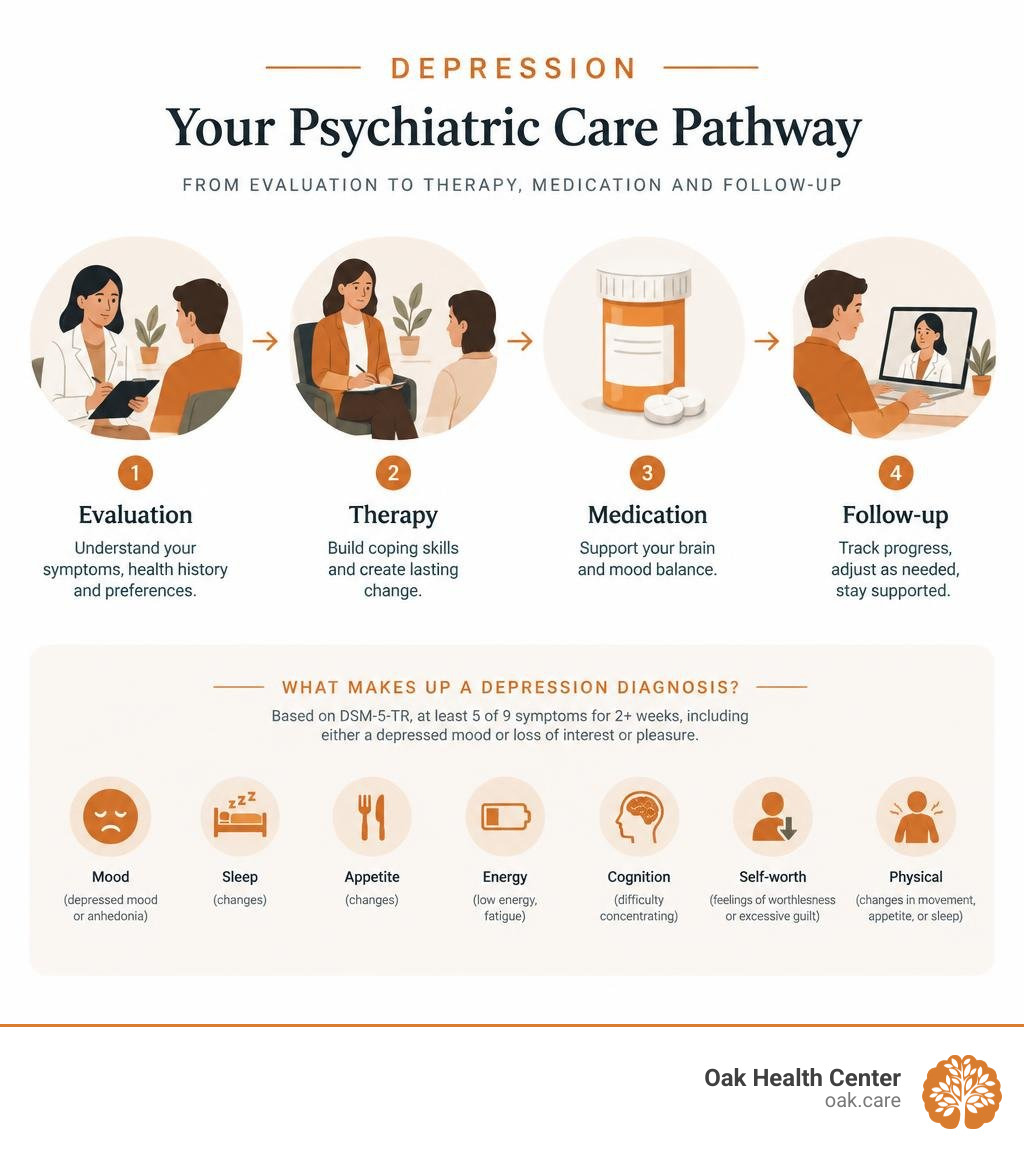
Understanding Clinical Depression: Diagnostic Criteria and Key Distinctions
According to the Diagnostic and Statistical Manual of Mental Disorders (DSM-5-TR), diagnosing Major Depressive Disorder (MDD) requires experiencing at least five out of nine core symptoms nearly every day for a minimum of two consecutive weeks. At least one of these symptoms must be either a persistently depressed mood or a profound loss of interest or pleasure in daily activities (anhedonia).
The remaining diagnostic criteria span physical, cognitive, and emotional domains:
- Significant unintended weight loss or gain, or marked changes in appetite
- Insomnia or hypersomnia nearly every day
- Observable psychomotor agitation or retardation (restlessness or slowed movement)
- Persistent fatigue or loss of energy
- Feelings of worthlessness or excessive, inappropriate guilt
- Diminished ability to think, concentrate, or make everyday decisions
- Recurrent thoughts of death, suicidal ideation without a specific plan, or a suicide attempt
In our practice, we frequently help patients identify symptoms of anxiety and depression, as these conditions often co-occur. Many individuals also struggle to make sense of sudden emotional overwhelm; learning what frequent crying spells really say about clinical depression can be a validating first step toward seeking medical care.
Differentiating Major Depression from Grief and Sadness
Sadness is an adaptive human emotion that typically ebbs and flows in response to clear life events. Grief following a significant loss tends to arrive in waves, often intertwined with positive memories of the deceased, and an individual’s core sense of self-esteem usually remains intact.
In contrast, clinical depression is marked by pervasive emptiness, pervasive self-loathing, and sustained functional impairment. When bereavement persists beyond culturally normative timeframes—causing prolonged incapacitation and inability to re-engage with life—clinicians assess for Prolonged Grief Disorder or co-occurring major depression. For a comprehensive overview of how these conditions are classified, the Merck Manual Professional Edition on Depressive Disorders provides authoritative medical diagnostic frameworks.
Distinguishing MDD, Persistent Depressive Disorder, and Bipolar Illness
Accurate diagnostic classification is essential because giving an antidepressant to someone with unrecognized bipolar disorder can trigger mania or rapid mood cycling.
- Persistent Depressive Disorder (Dysthymia): A chronic state of low mood lasting for at least two consecutive years in adults (one year in adolescents). It affects roughly 0.5% of adults annually. While symptoms may be less severe than a full major depressive episode, their chronic nature causes substantial cumulative impairment.
- Bipolar Depression: Characterized by depressive episodes alternating with past or present episodes of mania (Bipolar I) or hypomania (Bipolar II). Clinicians screen for periods of uncharacteristically elevated energy, decreased need for sleep, racing thoughts, and impulsive behavior.
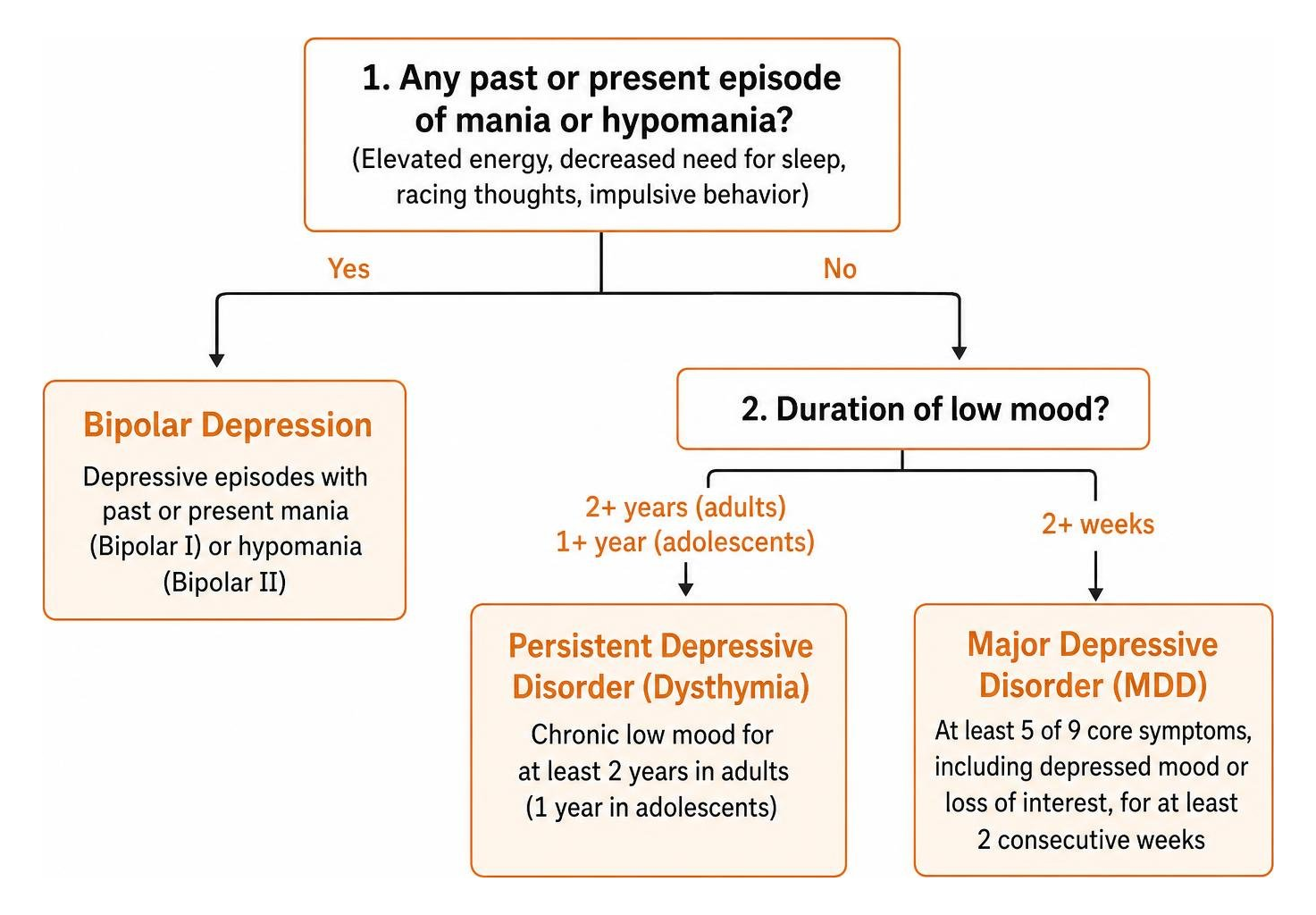
Comprehensive diagnostic overviews from Psychiatry.org emphasize that mood charting and detailed personal histories are vital to preventing misdiagnosis.
Biological, Genetic, and Psychosocial Roots of Depression
Depression does not stem from a single flaw or life event; it arises from an interplay of neurobiology, genetics, and environment.
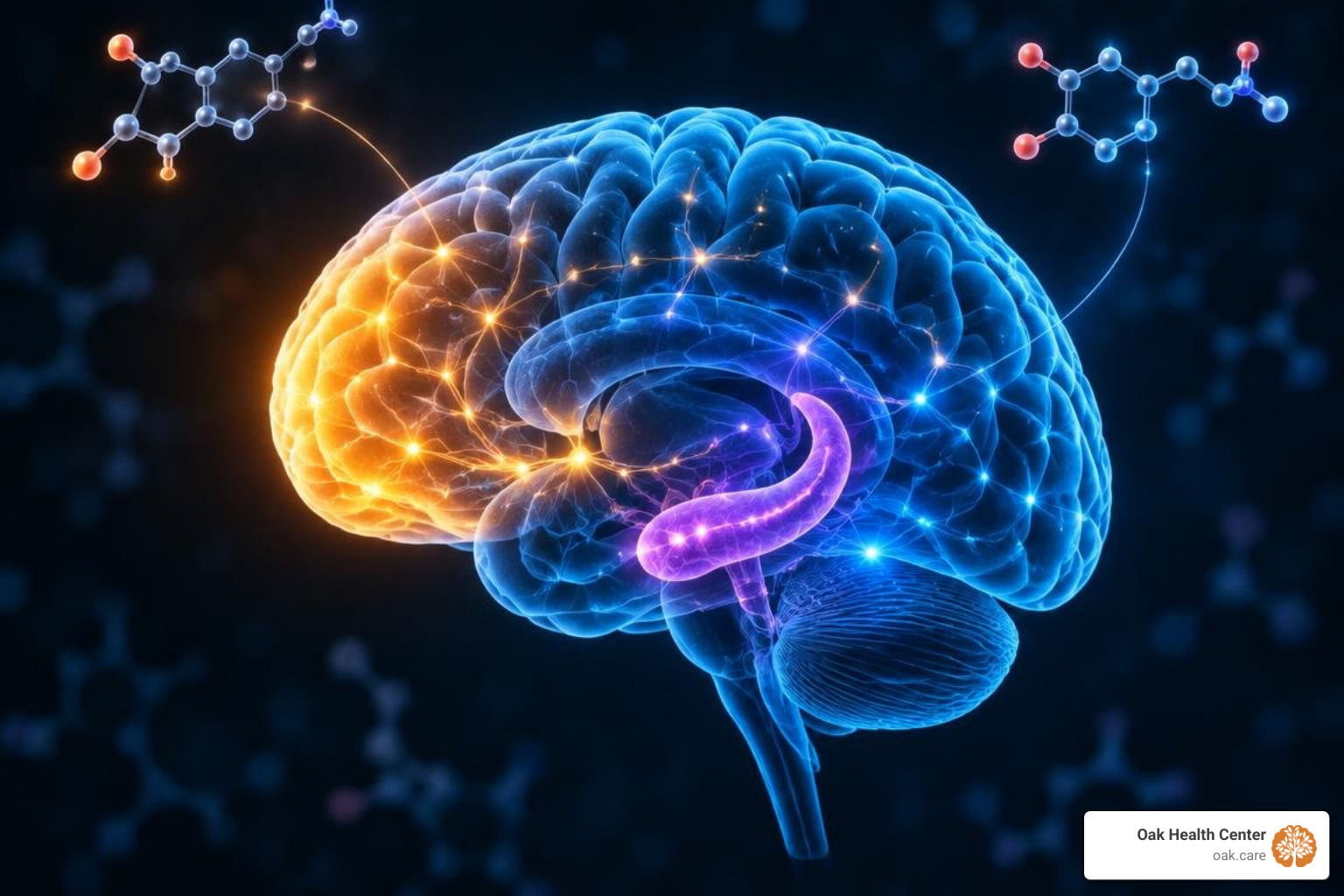
Genetic research shows that the heritability of depressive disorders is between 30% and 50%. Having a first-degree relative with depression significantly elevates baseline vulnerability, though environmental stressors often serve as the catalyst.
At the physiological level, chronic stress leads to sustained dysregulation of the hypothalamic-pituitary-adrenal (HPA) axis, elevating cortisol levels. Over time, this stress response impairs neuroplasticity, particularly within the hippocampus and prefrontal cortex. Combined with alterations in monoamine neurotransmitter signaling—involving serotonin, norepinephrine, and dopamine—these neurobiological shifts alter mood regulation, motivation, and cognitive clarity. Severe psychological trauma, systemic inflammation, chronic physical illnesses, and socio-environmental adversity further compound this vulnerability.
How Modern Psychiatry for Depression Approaches Clinical Treatment
Modern psychiatric care utilizes measurement-based care to guide clinical decisions. Tools like the Patient Health Questionnaire-9 (PHQ-9) establish baseline severity and track quantitative progress over time. For mild depressive episodes, initial interventions may center on active monitoring, lifestyle modifications, and psychotherapy. For moderate to severe depression, clinical practice guidelines recommend evidence-based pharmacotherapy, structured psychotherapy, or combination treatment (NBK583074).
Patients often wonder about the right time to reach out for professional help. Understanding how to know when it is time to see a psychiatrist can simplify that decision. Additionally, comparing the roles of a psychiatric nurse practitioner vs psychiatrist helps patients choose the right provider for their mental health journey. Clinical guidelines such as UpToDate’s guide on unipolar major depression in adults emphasize that collaborative care models yield the highest rates of symptom remission.
Evidence-Based Pharmacotherapy in Psychiatry for Depression
Antidepressant medications normalize neurotransmitter signaling and promote neuroplasticity. Finding the right fit depends on an individual’s unique symptom profile, medical history, and personal tolerability.
| Medication Class | Common Examples | Primary Mechanism | Key Considerations & Side Effects |
|---|---|---|---|
| SSRIs (Selective Serotonin Reuptake Inhibitors) | Sertraline, Escitalopram, Fluoxetine | Blocks serotonin reuptake to increase synaptic availability | First-line choice; common side effects include mild GI upset, headache, and sexual dysfunction. |
| SNRIs (Serotonin-Norepinephrine Reuptake Inhibitors) | Venlafaxine, Duloxetine | Inhibits reuptake of both serotonin and norepinephrine | Effective for co-occurring pain or fatigue; requires blood pressure monitoring. |
| NDRIs (Norepinephrine-Dopamine Reuptake Inhibitors) | Bupropion | Enhances dopamine and norepinephrine transmission | Activating profile; avoids sexual side effects and weight gain; contraindicated in seizure disorders. |
| Serotonin Modulators | Mirtazapine, Trazodone | Blocks specific 5-HT receptors and alpha-2 adrenergic receptors | Sedating at lower doses; helpful for insomnia and severe appetite loss; can cause weight gain. |
| Tricyclics (TCAs) | Amitriptyline, Nortriptyline | Non-selective monoamine reuptake inhibition | Second- or third-line; higher burden of anticholinergic side effects and cardiotoxicity in overdose. |
| MAOIs | Phenelzine, Tranylcypromine | Inhibits monoamine oxidase enzyme breakdown | Used for refractory depression; requires strict low-tyramine dietary restrictions. |
For a deeper dive into personalized medication selection, read our guide on finding the right meds to treat depression. To explore complete pharmacological profiles, consult the MSD Manual Professional Edition on medications for treating depression.
Integrating Psychotherapy with Psychiatry for Depression
While pharmacotherapy targets biological vulnerabilities, evidence-based psychotherapy provides critical psychological tools:
- Cognitive Behavioral Therapy (CBT): Identifies and reframes automatic cognitive distortions, teaching behavioral activation to counter avoidance.
- Interpersonal Psychotherapy (IPT): Focuses on resolving role transitions, complicated bereavement, and interpersonal disputes.
- Behavioral Activation: Systematically re-engages patients in rewarding, values-aligned activities to stimulate dopamine pathways.
For moderate to severe depression, combining psychotherapy and pharmacotherapy demonstrates superior response rates and provides stronger long-term protection against relapse than monotherapy alone. Clinical management guidelines from the NCBI Bookshelf on depression in adults detail the structured application of these psychotherapeutic interventions (NBK583074).
Safe Medication Initiation, Monitoring, and Discontinuation Protocols
Starting an antidepressant requires clear expectations and close clinical oversight. Therapeutic benefits typically emerge over 2 to 6 weeks, with early improvements in sleep and energy often preceding positive shifts in mood.
During the initial weeks of treatment, clinicians monitor patients closely for side effects and behavioral changes. The FDA requires a black-box warning on all antidepressants regarding an increased risk of suicidal thoughts and behaviors in children, adolescents, and young adults under 25 during early initiation or dose adjustments. Clinicians actively assess suicide risk and establish safety plans. Patients coping with profound lethargy can review strategies on how to manage depression fatigue.
When discontinuing an antidepressant, medications should be gradually tapered under medical supervision—often by roughly 25% dose reductions every one to two weeks—to avoid antidepressant discontinuation syndrome (flu-like symptoms, dizziness, electric-shock sensations, and rebound anxiety).
Advanced Interventions for Treatment-Resistant Depression
Between 70% and 90% of people with depression eventually respond well to treatment. However, approximately one-third of individuals experience Treatment-Resistant Depression (TRD), defined as failing to achieve remission despite adequate trials of at least two different antidepressant classes.
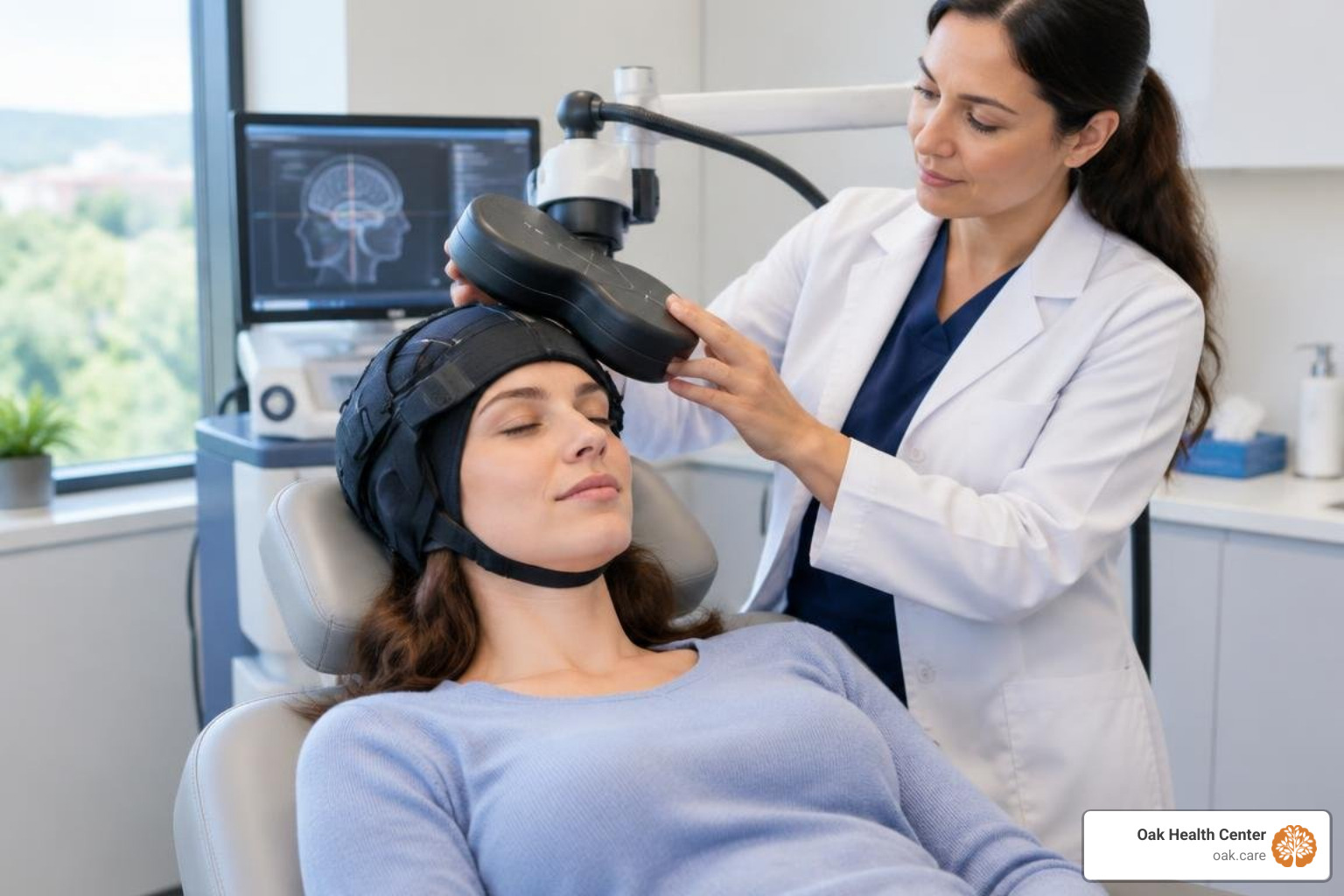
When standard options fall short, exploring what treatment-resistant depression really means and reading an ultimate guide to treatment-resistant depression can provide clarity. Learning how to manage care for drug-resistant depression helps patients navigate specialized treatment options safely.
Neuromodulation: rTMS and Other Specialist Treatments
Repetitive Transcranial Magnetic Stimulation (rTMS) is an FDA-cleared, non-invasive outpatient treatment. It uses focused magnetic pulses to stimulate underactive neurons in the left dorsolateral prefrontal cortex, strengthening neural connectivity.
To understand the science behind this therapy, read about how TMS therapy works for depression or review our dedicated transcranial magnetic stimulation clinical services.
For cases involving catatonia, psychotic depression, or severe suicide risk where rapid relief is critical, Electroconvulsive Therapy (ECT) remains an effective intervention, delivering controlled electrical stimulation under general anesthesia.
Rapid-Acting Therapeutics: Ketamine and Esketamine
Unlike traditional antidepressants that influence monoamines over several weeks, ketamine and intranasal esketamine act directly on the brain’s glutamate system by blocking NMDA receptors. This mechanism triggers rapid synaptogenesis, often lifting severe depressive symptoms and acute suicidal ideation within hours.
Patients interested in these therapies can explore our complete guide to ketamine infusion for depression, learn about finding hope in new medications for treatment-resistant depression, and discover how clinicians are breaking treatment resistance with modern interventions.
Holistic and Complementary Psychiatric Strategies
Modern psychiatric care integrates evidence-based lifestyle medicine alongside medical interventions:
- Circadian Rhythm Optimization: Consistent sleep-wake cycles improve mood stability and emotional processing.
- Targeted Exercise: Aerobic and resistance training stimulate Brain-Derived Neurotrophic Factor (BDNF) synthesis.
- Anti-Inflammatory Nutrition: A balanced diet rich in omega-3 fatty acids and whole foods supports the gut-brain axis.
- Bright Light Therapy: Daily exposure to 10,000 lux light boxes serves as a primary treatment for Seasonal Affective Disorder (SAD), which affects roughly 5% of U.S. adults for up to 40% of the year.
Patients looking to expand their care can explore holistic and alternative ways to treat depression and review evidence-based professional alternative depression therapies.
Tailored Psychiatric Care Across Special Populations
Mental healthcare must adapt to the unique medical and physiological needs of each life stage:
- Perinatal Women: An estimated one in seven women experiences perinatal depression. Premenstrual dysphoric disorder (PMDD) also affects 1.8% to 5.8% of menstruating women annually. Treatment decisions require weighing the risks of untreated maternal depression against fetal or neonatal medication exposure, prioritizing psychotherapy and well-studied SSRIs like sertraline during pregnancy and lactation.
- Older Adults: Geriatric depression frequently presents with cognitive changes (pseudodementia) or somatic complaints. Clinicians must account for age-related metabolic changes, drug-drug interactions, and vascular depression, adhering to the principle of “start low and go slow.”
- Individuals with Chronic Medical Illness: Depression is common in patients with cardiovascular disease, diabetes, and autoimmune conditions. Because depression doubles cardiovascular disease risk, integrated, collaborative medical management is essential.
For residents seeking local, high-quality psychiatric care, finding top-rated depression treatment centers in California helps ensure access to qualified providers. You can also review diagnostic standards via Mayo Clinic’s depression diagnosis and treatment resources.
Frequently Asked Questions About Psychiatry for Depression
How long does it take for psychiatric depression medication to work?
Most patients begin to notice initial improvements in sleep, appetite, and energy within 2 to 4 weeks of starting an antidepressant. Full mood recovery and cognitive improvements typically take 6 to 8 weeks at an optimized therapeutic dose.
What should I expect during an initial psychiatric evaluation for depression?
An initial evaluation consists of a 45- to 60-minute clinical interview. Your clinician will review your current symptoms, personal and family mental health history, medical conditions, and lifestyle factors. They may also order baseline lab tests (such as thyroid panels or vitamin levels) to rule out underlying medical issues before collaborating with you on a personalized care plan.
How do psychiatrists determine whether I need medication, therapy, or both?
Clinicians assess depression severity using tools like the PHQ-9, evaluate functional impairment, consider episode recurrence, and honor patient preferences. Mild depression often responds well to psychotherapy or lifestyle interventions alone, whereas moderate to severe depression generally benefits most from a combination of medication and psychotherapy (NBK583074).
Conclusion
Overcoming depression is a journey that no one has to navigate alone. With evidence-based medical treatments, modern neuromodulation, and personalized psychotherapy, sustained relief is achievable.
At Oak Health Center, our team provides comprehensive, compassionate outpatient mental healthcare tailored to your goals. Whether you visit us in person at our clinics in Beverly Hills, Fullerton, Laguna Hills, Rancho Cucamonga, or South Pasadena, or connect with us via telehealth across California, we are here to support your recovery. Explore our comprehensive mental health services or schedule a consultation through our comprehensive psychiatry services to take your next step today.
References
“Depression in adults: treatment and management.” National Institute for Health and Care Excellence (NICE), 2022. NBK583074.