


Why GAD Can Make Every Physical Symptom Feel Serious
GAD-related health anxiety can make an ordinary ache, stomach upset, or racing heart feel like a sign of serious illness. Generalized anxiety disorder (GAD) involves hard-to-control worry about many parts of life, including health. Anxiety can also cause real physical symptoms, making it harder to know what needs medical attention. If worry keeps disrupting your sleep, work, or daily life, a healthcare professional can help you assess both the symptoms and the anxiety.
I’m Andrew Brewer, practice manager at Oak Health Center, where I work with clinical teams to make mental health support easier to access. My experience improving patient care systems informs this guide to gad health anxiety and the support available when worry takes over.
Understanding GAD Health Anxiety: Why Chronic Worry Fixates on the Body
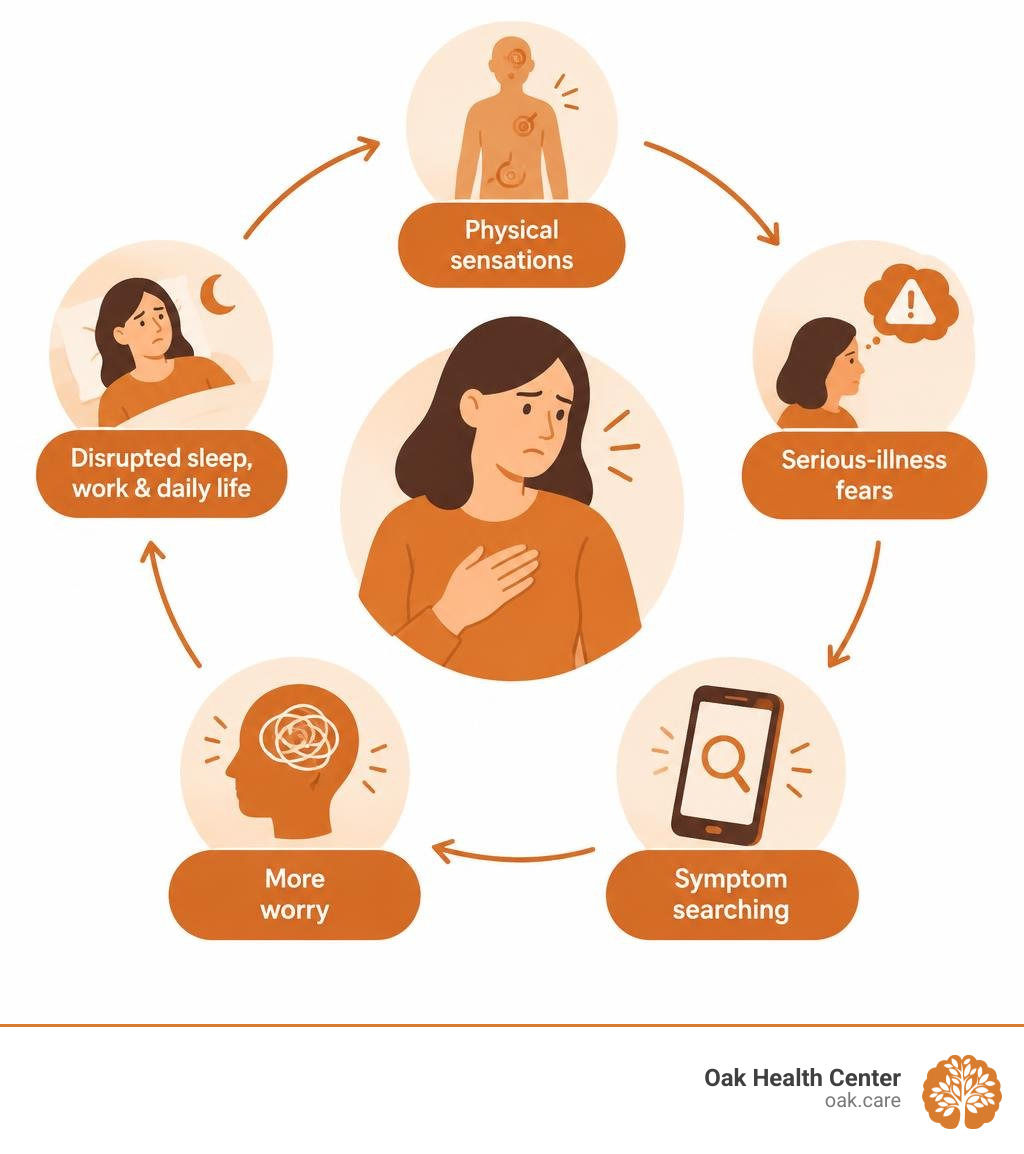
Living with generalized anxiety means your nervous system operates with an overactive internal security alarm. When you experience high levels of autonomic arousal, your brain constantly surveys both your external environment and your internal physical state for signs of danger. This heightened interoceptive sensitivity means normal, harmless fluctuations in your physiology—such as a mild muscle spasm, a flutter in your chest, or a sudden gurgle in your stomach—are registered by the brain with startling clarity.
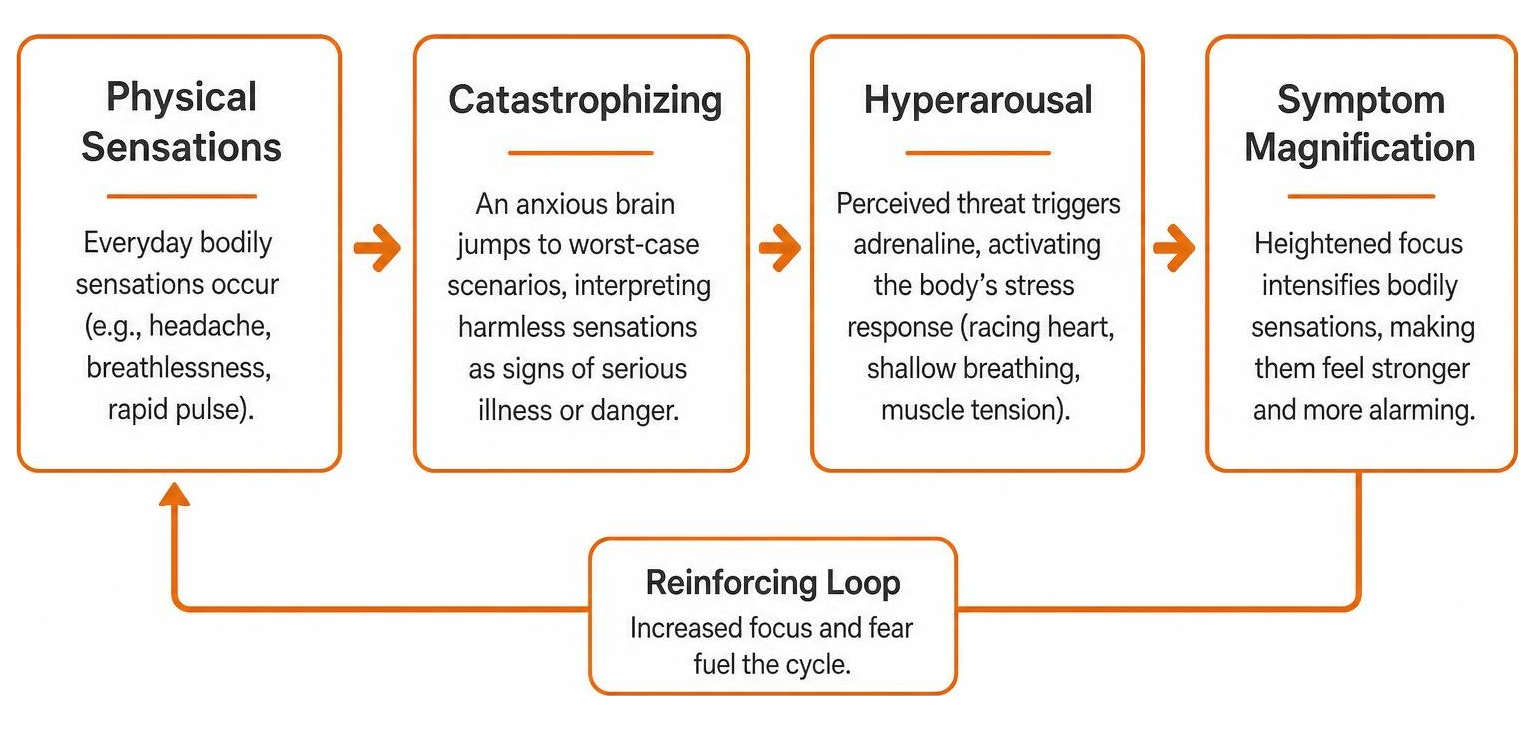
Because an anxious brain is primed for threat appraisal, it tends to jump straight to worst-case scenarios. A harmless tension headache becomes an impending stroke; slight breathlessness after climbing the stairs is perceived as respiratory failure. This somatic misinterpretation fuels a spike in adrenaline, causing more physical tension and locking you into a loop of somatic hypervigilance.
People often ask whether intense health worry is an isolated problem or part of a broader condition. While Illness Anxiety Disorder specifically centers on the fear of having or developing a severe medical condition, Generalized Anxiety Disorder casts a much wider net. In GAD, health concerns frequently interlock with ongoing worries about finances, job performance, and family well-being, as detailed in the NHS clinical overview on generalised anxiety disorder.
| Clinical Feature | Generalized Anxiety Disorder (GAD) | Illness Anxiety Disorder (Health Anxiety) |
|---|---|---|
| Primary Focus of Worry | Multiple everyday life domains (health, finances, family, career, punctuality) | Specific focus on fears of having or acquiring a serious medical illness |
| Somatic Symptoms | Diverse physical tension (muscle stiffness, fatigue, sleep disturbances, gastrointestinal upset) | Few to no actual somatic symptoms, or disproportionate panic over benign bodily sensations |
| Worry Trajectory | Shifts fluidly between different life stressors from week to week | Persistently anchors around specific illnesses, diseases, or medical tests |
| Reassurance Seeking | Occasional reassurance sought across many topics | Frequent, repetitive medical consultations or compulsive body-checking behaviors |
The Difference Between Everyday Stress and Generalized Anxiety Disorder
Occasional stress is a natural reaction to real-world demands, such as meeting a tight deadline or navigating a personal conflict. Once that stressful event passes, your nervous system naturally resets. Clinical anxiety operates quite differently. When you struggle with GAD, the sense of dread lingers indefinitely, even when there is no active threat or crisis.
We frequently meet individuals who have spent years labeling themselves as simple “worry warts,” only to discover that their persistent fatigue and racing thoughts represent a treatable clinical condition. Learning how to tell if your worry is actually GAD is often the first step toward reclaiming your peace of mind and stopping the cycle of constant second-guessing.
Somatic and Physical Symptoms: How Anxiety Mimics Medical Illness
Anxiety is not merely a mental experience; it is an physical state. When your body is subjected to sustained levels of stress hormones like cortisol and adrenaline, everyday bodily processes begin to misfire.
Some of the most common somatic manifestations include:
- Musculoskeletal Tension: Chronic backaches, stiff shoulders, clenching of the jaw, and frequent tension headaches.
- Gastrointestinal Distress: Nausea, abdominal cramping, acid reflux, diarrhea, and flare-ups of irritable bowel syndrome (IBS).
- Cardiovascular and Respiratory Sensations: Rapid pulse, sudden heart palpitations, lightheadedness, and hyperventilation.
- Unusual Sensory Changes: Paresthesia (tingling or numbness in the fingers), trembling, sudden hot flashes, or feeling unsteady on your feet.
Because these sensations closely mimic serious medical conditions, they often prompt emergency room visits and extensive medical testing. For instance, many people struggle with decoding unexplained anxiety chest symptoms during peak moments of panic. Similarly, the physical constriction of throat muscles can be deeply alarming, which explains why anxiety can cause dry throat and sudden gagging without an underlying physical obstruction.
The Mind-Body Loop: What Triggers Somatic Overthinking in GAD?
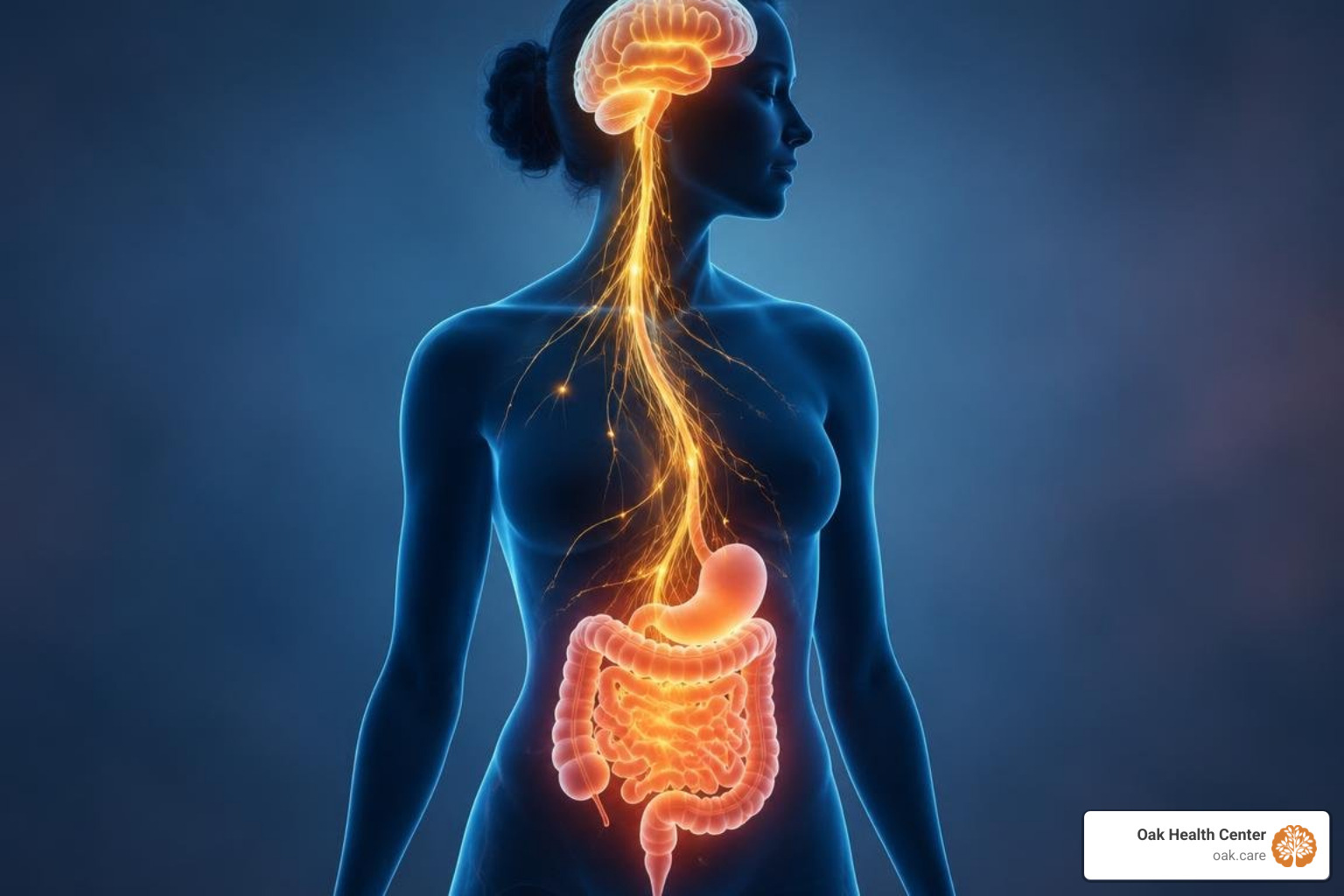
The human brain and body share a constant two-way feedback loop known as the brain-gut axis and the autonomic nervous system. When the brain’s emotional center—specifically the amygdala—perceives a threat, it activates the sympathetic nervous system. Your heart rate accelerates, breathing becomes shallow, and digestive blood flow decreases.
When you notice these physical shifts, an anxious brain misinterprets them as evidence of an underlying medical emergency. This misinterpretation triggers another wave of fear, causing the amygdala to release even more stress hormones. This cycle creates an exhausting loop: anxiety produces physical sensations, which trigger catastrophizing thoughts, which in turn intensify the physical sensations.
Breaking Down the Root Causes of GAD Health Anxiety
Anxiety disorders are complex conditions that do not stem from a single flaw or weakness. Instead, they arise from an interplay of several biological and psychological factors outlined in the National Institute of Mental Health guidelines on GAD:
- Genetic Factors: Family studies reveal that individuals with a direct family history of mood or anxiety disorders carry a higher baseline vulnerability to developing chronic anxiety.
- Neurochemistry and Neural Circuits: Differences in how the brain regulates neurotransmitters like serotonin, gamma-aminobutyric acid (GABA), and norepinephrine can impair the central nervous system’s ability to turn off the stress response.
- Chronic Stress and Trauma: Sustained periods of high stress, adverse childhood experiences, or navigating a difficult medical diagnosis in the family can rewire threat-detection systems toward hypervigilance.
- Cognitive Vulnerabilities: An intolerance of uncertainty and a tendency to assume the worst-case scenario make ambiguous bodily sensations feel dangerous.
Risk Factors and High-Risk Populations
Anxiety disorders represent the most common category of mental health conditions worldwide, impacting roughly 470 million people globally, with an estimated 5.8% of the global population experiencing an anxiety disorder at any given time. In the United States, anxiety affects more than 25 million people, and generalized anxiety disorder accounts for 4% to 7.9% of all patients seen in primary care settings.
Certain factors correlate with higher risk profiles:
- Age and Life Stage: GAD is most frequently diagnosed in adults aged 35 to 55 years, though symptoms often develop subtly earlier in life.
- Gender: Women are diagnosed with generalized anxiety disorder significantly more often than men, particularly during periods of hormonal transition such as pregnancy or the postpartum period.
- Underlying Medical Conditions: Managing long-term, painful health conditions (such as fibromyalgia, autoimmune disorders, or arthritis) substantially elevates the risk of developing secondary health-related anxiety.
- Personality Tendencies: High levels of perfectionism and a need for control can heighten anxiety, a pattern frequently observed when examining anxiety patterns in high-achieving professionals.
How Generalized Anxiety Disorder and Somatic Fears Are Clinically Diagnosed
Arriving at an accurate diagnosis begins by conducting a thorough medical evaluation to rule out physical conditions that mimic anxiety. Disorders like hyperthyroidism, cardiac arrhythmias, sleep apnea, or vitamin deficiencies can produce physical symptoms that look identical to high anxiety.
Medical providers typically review a detailed health history, perform basic laboratory work, and review current medications and caffeine intake before confirming an anxiety disorder, consistent with standard Mayo Clinic diagnostic guidelines for generalized anxiety disorder.
The 6-Month DSM-5 Diagnostic Criteria
Under the Diagnostic and Statistical Manual of Mental Disorders (DSM-5), a formal diagnosis of Generalized Anxiety Disorder requires:
- Excessive anxiety and worry occurring on more days than not for at least 6 months, across several areas of life (such as work, school, health, and family matters).
- The individual finds it consistently difficult to control the worry.
- The anxiety is accompanied by at least three of the following six symptoms in adults (only one symptom is required for children):
- Restlessness or feeling keyed up or on edge.
- Being easily fatigued.
- Difficulty concentrating or mind going blank.
- Irritability.
- Muscle tension.
- Sleep disturbances (difficulty falling asleep, staying asleep, or restless, unsatisfying sleep).
- The symptoms cause clinically significant distress or functional impairment in social, occupational, or other important areas of daily life.
To explore these diagnostic parameters further, consult our in-depth guide to understanding anxiety disorders.
Validated Clinical Screening Tools and Assessments
Clinicians use objective screening tools to measure symptom severity and track treatment progress over time. The most widely utilized self-report measure is the Generalized Anxiety Disorder 7-item (GAD-7) scale. This brief questionnaire helps identify how frequently an individual has been bothered by nervousness, uncontrollable worry, restlessness, and fear over the preceding two weeks.
Understanding your self-assessment results is made easier by decoding your GAD-7 anxiety score. In clinical settings, providers frequently pair the GAD-7 with depression screeners like the PHQ-9, as anxiety and mood disorders often present together.
Evidence-Based Approaches to Calming Chronic Health Worries

Despite the high prevalence of anxiety, fewer than half of individuals with GAD seek treatment, and fewer than one-third receive adequate, evidence-based care. Modern clinical guidelines, such as the NICE clinical knowledge summaries on generalized anxiety, emphasize a stepped-care model that combines structured psychotherapy, medical management, and evidence-based self-care.
Psychotherapy Modalities: CBT, ACT, and Exposure Techniques
Structured psychological therapy is the primary treatment for generalized anxiety and somatic fixation:
- Cognitive Behavioral Therapy (CBT): Widely considered the gold standard psychotherapy for anxiety. CBT helps you identify catastrophic interpretations of bodily sensations (e.g., “My heart is beating fast, so I must be having an attack”) and systematically reframe them into balanced thoughts. Our clinicians specialize in utilizing mind over matter with CBT and evidence-based therapy to interrupt cognitive distortions.
- Interoceptive and In Vivo Exposure: This technique involves gently and intentionally exposing yourself to safe bodily sensations that trigger health fears—such as spinning briefly in a chair to induce mild dizziness or doing jumping jacks to raise your heart rate—helping your brain learn that these sensations are not dangerous.
- Acceptance and Commitment Therapy (ACT): ACT teaches you to notice anxious sensations and catastrophic thoughts without struggling against them, reducing their power over your daily decisions. To learn more about how different approaches compare, review our practical guide to modern psychotherapy options.
Evidence-Based Treatments for GAD-Related Health Anxiety
When anxiety symptoms cause marked disruption to sleep, work, or daily functioning, prescription medications can help stabilize autonomic arousal and restore balance to neural circuits:
- SSRIs and SNRIs: Selective Serotonin Reuptake Inhibitors (such as escitalopram or sertraline) and Serotonin-Norepinephrine Reuptake Inhibitors (such as duloxetine or venlafaxine) serve as first-line medications for GAD. They work by gradually optimizing neurotransmitter signaling over four to eight weeks.
- Buspirone: A non-sedating, non-addictive anti-anxiety medication that helps smooth out baseline worry over several weeks of consistent use.
- Non-Benzodiazepine Considerations: While benzodiazepines provide fast relief, clinical guidelines avoid their routine long-term use due to risks of physical tolerance, dependence, and daytime sedation.
If you are wondering whether medication might support your recovery, take time to learn how to know when it is time to see a psychiatrist for an evaluation.
Daily Self-Care and Somatic Regulation Strategies
In tandem with clinical care, daily lifestyle adjustments help calm nervous system reactivity:
- Caffeine and Stimulant Reduction: Excess caffeine mimics the physiological signs of panic—elevating heart rate, creating muscle tremors, and worsening gastrointestinal upset.
- Progressive Muscle Relaxation (PMR): Systematically tensing and releasing muscle groups teaches your body the contrast between chronic tension and true physical relaxation. We provide a breakdown of these tools in our guide to step-by-step relaxation exercises that melt anxiety away.
- Diaphragmatic Breathing: Slow, rhythmic belly breathing stimulates the vagus nerve, initiating your body’s natural relaxation response.
- Building a Coping Toolkit: For actionable tools you can use anytime, consult our practical field guide to anxiety coping skills.
The Broader Impact: Complications, Daily Functioning, and Support Systems
Unchecked anxiety rarely remains confined to your thoughts; it ripples into every corner of daily life. At work, spending hours analyzing minor bodily symptoms or endlessly searching medical forums—often termed “cyberchondria”—erodes focus and drains productivity. In personal relationships, constant requests for health reassurance (“Does this spot look strange to you?” or “Does my forehead feel warm?”) can strain connections with partners, friends, and family.
Over time, fear of triggering physical sensations often leads to subtle avoidance behaviors. You might stop exercising out of fear of an elevated heart rate, avoid public spaces due to concerns about fainting, or cancel plans when mild fatigue sets in, ultimately leading to social isolation.
Co-Occurring Conditions and Risks of Untreated GAD
Leaving severe generalized anxiety unaddressed increases the likelihood of developing secondary complications:
- Major Depressive Disorder: The chronic exhaustion of feeling constantly on edge can eventually lead to depressive burnout, low motivation, and feelings of hopelessness.
- Panic Disorder and Agoraphobia: Frequent misinterpretation of somatic sensations can escalate into full panic attacks and avoidance of safe spaces.
- Chronic Sleep Disturbances: Anxiety frequently disrupts sleep onset and architecture, reinforcing a difficult cycle. You can read more about how anxiety, depression, and sleep problems feed each other.
- Digestive and Inflammatory Health Issues: Chronic stress contributes to sustained systemic inflammation, frequent migraines, and gastrointestinal issues like irritable bowel syndrome.
How Loved Ones and Support Networks Can Help
Supporting a loved one through GAD-driven health anxiety requires a balanced approach of empathy and healthy boundaries:
- Validate Emotions, Not Catastrophes: Instead of validating the catastrophic health fear (“You might be right, that does sound terrible”), validate their emotional distress (“I see how terrifying and uncomfortable this feeling is for you right now”).
- Gently Step Down Reassurance: Constant reassurance provides only brief relief before the brain demands more verification. Work together to set gentle boundaries around repetitive health checking and symptom Googling.
- Encourage Professional Support: Offer gentle encouragement to consult licensed mental health clinicians rather than relying solely on endless medical tests or self-diagnosis.
- Participate in Support Communities: Encourage connection with structured peer support groups, such as those organized by the National Alliance on Mental Illness (NAMI), to reduce isolation.
Frequently Asked Questions About GAD and Health Anxiety
How do I know if my physical symptoms are from GAD or a serious medical illness?
The most reliable step is to schedule a comprehensive evaluation with your primary care provider. When standard medical exams, lab panels, and diagnostic tests return normal results, yet physical discomfort persists alongside chronic worry and tension across multiple areas of life, an underlying anxiety disorder is often the primary driver. Working with both a physician and a mental health provider ensures physical health is protected while addressing underlying autonomic hyperarousal.
Why does generalized anxiety disorder make me obsessively check my body for signs of disease?
Compulsive body scanning—such as constantly feeling your pulse, checking your skin in the mirror, or monitoring your breathing rhythm—is a safety behavior. When anxiety spikes, the brain seeks certainty and control. While checking provides temporary relief, it inadvertently trains your brain to treat normal, baseline bodily variations as potential threats, reinforcing hypervigilance.
When should I consult a doctor or mental health professional for anxiety?
You should seek professional support if worry and physical tension persist for several months, disrupt your ability to work, interfere with relationships, or cause unmanageable sleep loss. If you or a loved one experiences severe distress, self-harm impulses, or thoughts of suicide, immediate help is available 24/7 by calling or texting the Suicide & Crisis Lifeline at 988.
Conclusion
Living under the weight of constant physical worry can make you feel disconnected from your own body. However, recognizing that somatic hyperawareness and catastrophic health fears are treatable symptoms of Generalized Anxiety Disorder is an empowering turning point. With evidence-based psychotherapies like CBT, personalized medication management when appropriate, and nervous-system regulation skills, you can break free from the loop of bodily overthinking.
At Oak Health Center, we provide comprehensive, compassionate mental healthcare designed around your needs. With convenient clinical offices located across Southern California—including Beverly Hills, Fullerton, Laguna Hills, Rancho Cucamonga, and South Pasadena—as well as comprehensive virtual teletherapy and psychiatry services statewide, accessible support is always within reach.
If you are ready to quiet chronic health fears and rediscover genuine peace of mind, take the next step by exploring our guide on meeting clinical standards and finding long-term relief for GAD or connecting directly with our compassionate clinical team today.